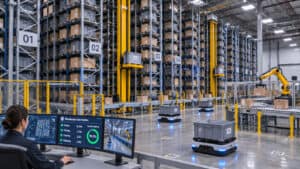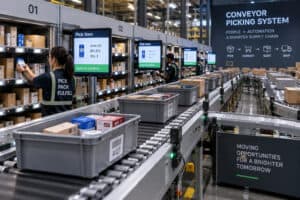
Mechanical installation is a critical part of building, upgrading, and maintaining an efficient material handling operation. For distribution centers, warehouses, manufacturing facilities, and fulfillment operations, properly installed conveyor systems can make a significant difference in productivity, workflow consistency, equipment reliability, and long-term operational performance.
However, installing a conveyor system involves much more than assembling equipment and putting it into operation. It requires careful planning, technical knowledge, coordination between different project components, and an understanding of how individual pieces of equipment work together within a larger material handling environment.
Century Conveyor Systems provides mechanical installation services designed to help businesses implement conveyor and material handling solutions that support their operational requirements. Whether a facility is installing a new conveyor system, expanding an existing operation, or incorporating equipment into an order fulfillment process, professional mechanical installation helps ensure that the equipment is positioned, assembled, and integrated appropriately.
The following frequently asked questions explore what mechanical installation involves, why it matters, and how Century Conveyor Systems can support businesses throughout their material handling projects.
Table of Contents
What Does Mechanical Installation Mean for a Conveyor System?
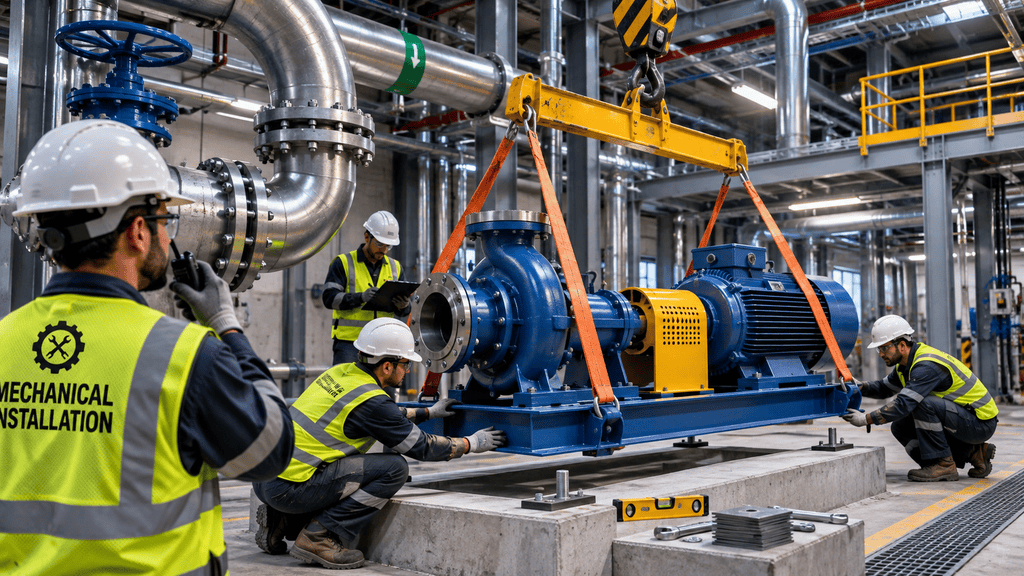
Mechanical installation refers to the physical assembly, positioning, and installation of equipment required to create a functioning material handling system. For conveyor applications, this can include installing conveyor frames, rollers, belts, motors, supports, transfer points, and other mechanical components that allow products to move throughout a facility.
At Century Conveyor Systems, mechanical installation is part of a broader approach to material handling automation. The company offers installation, repair, and maintenance services for automated material handling systems, including conveyors, warehouse racks, and other equipment.
Mechanical installation can also involve more extensive facility projects. For example, a distribution center may need an entirely new conveyor layout, additional equipment to accommodate increased order volume, or the removal and relocation of existing machinery.
Century Conveyor Systems can support these projects through mechanical engineering, electrical installation, construction services, and project management. This combination helps businesses coordinate the different elements required to bring a material handling system from its initial design to final implementation.
How Does Century Conveyor Systems Approach Mechanical Installation Projects?
Century Conveyor Systems approaches mechanical installation as part of a coordinated project rather than an isolated equipment assembly task.
A successful installation begins with understanding the facility, its existing equipment, and the operational goals of the business. Engineers and project managers must consider how equipment will fit within the available space, how products will move between different areas, and how individual components will work together.
Century provides assistance throughout multiple stages of the installation process, including project budgeting, engineering coordination, contractor communication, and installation planning.
Its project managers help coordinate the different parties involved in warehouse installations, tearouts, and relocations. This is particularly valuable when a project involves multiple contractors, inspectors, engineers, and installation crews.
Communication is another important part of the company’s approach. Century emphasizes maintaining communication from initial planning and design through implementation and testing.
This allows businesses to approach mechanical installation with a clearer understanding of project requirements, responsibilities, and expectations.
Why Should Businesses Choose Professional Mechanical Installation Instead of Handling It Internally?
Professional mechanical installation provides businesses with access to specialized experience that may not be available through their existing maintenance or warehouse teams.
Conveyor systems are made up of interconnected mechanical components. Their positioning, alignment, assembly, and integration can influence how effectively products move throughout a facility. An improperly installed component can create operational complications that affect other parts of the system.
Professional installers understand that equipment installation requires attention to the complete system, not simply individual machines.
Century Conveyor Systems offers experienced installation crews capable of installing, moving, and liquidating warehouse equipment, including conveyors and racking systems. Its broader capabilities also include mechanical engineering, electrical installation, and project coordination.
There are several reasons businesses may benefit from professional installation:
- Specialized technical knowledge: Experienced installation teams understand the equipment, assembly requirements, and coordination involved in material handling projects.
- Improved project organization: Professional project management helps businesses coordinate installation activities, contractors, and project milestones.
- Reduced internal workload: Warehouse employees can remain focused on their regular responsibilities instead of managing complicated installation activities.
- Better system integration: Installation professionals can consider how different equipment components work together within the larger operation.
Ultimately, professional mechanical installation helps businesses establish a more organized foundation for their warehouse automation investments.
What Types of Equipment Can Century Conveyor Systems Install?
Century Conveyor Systems works with a variety of material handling equipment used in warehouses, distribution centers, and fulfillment facilities.
Conveyor systems are among the most important components of its installation services. Different conveyor designs serve different purposes, depending on the products being transported, available space, and required processing speeds.
Examples include:
- Live roller conveyors: Powered roller systems that transport cartons and packages through warehouse operations.
- Gravity conveyors: Non-powered roller or skate-wheel systems that use gravity to move products.
- Belt conveyors: Systems that provide stable transportation for cartons, polybags, parcels, and irregularly shaped products.
- Modular belt conveyors: Conveyor systems constructed from interconnected belt sections that can offer flexibility for specialized handling requirements.
- Pallet conveyors: Heavy-duty equipment designed to transport pallets and larger loads.
- Extendable conveyors: Telescoping conveyor systems that help facilitate loading and unloading operations.
- Sortation conveyors: Equipment that directs products toward designated destinations within a distribution facility.
Beyond conveyors, Century also has experience installing and moving warehouse racks and other material handling equipment.
The specific equipment required for a project depends on the facility’s workflow, product characteristics, available space, and automation objectives. Proper mechanical installation ensures that these components are positioned and assembled to support the intended application.
How Does Mechanical Installation Improve Warehouse Order Fulfillment?
Mechanical installation plays an important role in establishing an efficient order fulfillment operation because it determines how physical equipment is assembled and connected throughout the facility.
Order fulfillment involves several interconnected activities, including receiving inventory, picking products, packing orders, sorting packages, and preparing shipments.
When these activities rely heavily on manual transportation, employees may spend considerable time moving products between workstations. This can create unnecessary handling, increase processing time, and contribute to workflow bottlenecks.
Century Conveyor Systems develops order fulfillment solutions designed to improve output performance, reduce errors that contribute to returns or product damage, and process items faster with fewer manual interactions.
Mechanical installation supports these objectives by establishing the physical infrastructure needed to move products between operational stages.
For example, a properly installed conveyor network can transport cartons from packing stations to sortation equipment. Diverts can direct packages toward designated shipping destinations, while accumulation conveyors can help manage the flow of products before they reach the next processing stage.
The installation of these components must account for the relationships between different work areas. A conveyor line that is poorly positioned or improperly integrated can create unnecessary interruptions in product movement.
By approaching installation as part of the overall fulfillment system, Century helps businesses establish the equipment infrastructure needed to support coordinated warehouse operations.
Can Century Conveyor Systems Handle Both New Installations and Existing Equipment Relocations?
Yes. Century Conveyor Systems provides installation services for businesses undertaking new equipment installations, warehouse tearouts, and equipment relocations.
This flexibility is important because not every material handling project involves building a completely new facility.
Some businesses need to expand their existing conveyor networks to accommodate increased order volumes. Others may be relocating to a different warehouse, reorganizing their facility layout, or replacing outdated equipment with newer automation technologies.
These projects require different installation considerations.
A new installation may involve assembling equipment according to an engineered facility layout. A relocation may require coordinating equipment removal, transportation, preparation, and reinstallation. A tearout may involve dismantling unused or outdated machinery to create space for new operations.
Century’s experience with installing, moving, and liquidating warehouse equipment allows it to support these different project requirements.
The company also offers retrofit and modernization services, helping businesses update existing material handling environments rather than necessarily replacing every component.
This can be particularly useful for facilities looking to improve operational efficiency while making strategic use of their existing equipment investments.
What Is the Difference Between Mechanical Installation and Electrical Installation?
Mechanical installation and electrical installation are two distinct but closely related parts of a material handling project.
Mechanical installation focuses on the physical equipment. This includes assembling conveyor structures, positioning machinery, installing mechanical components, and preparing equipment for integration into the facility.
Electrical installation focuses on the wiring and electrical connections needed to power equipment and support automated operations.
For a conveyor system, electrical work may involve connecting motors, installing sensors, wiring control panels, and establishing connections with automation controls.
Both disciplines are necessary for many modern conveyor installations.
For example, installing a powered roller conveyor requires the mechanical equipment to be assembled and positioned correctly. However, the system also needs appropriate electrical connections and controls to operate as intended.
Century Conveyor Systems offers both mechanical and electrical installation services, along with additional engineering and integration capabilities.
Having access to both services through one provider can simplify project coordination. Rather than treating mechanical and electrical installation as completely separate projects, businesses can work with a team that understands how the different installation requirements relate to one another.
This integrated approach can also help identify coordination issues earlier in the project.
How Does Project Management Affect the Success of Mechanical Installation?
Project management is one of the most important considerations in a large-scale mechanical installation because warehouse projects frequently involve multiple activities that must happen in a coordinated sequence.
For example, installing a new conveyor system may require equipment deliveries, construction preparation, mechanical assembly, electrical connections, contractor scheduling, and inspections.
If these activities are not properly coordinated, one delayed task can affect several other project milestones.
Century Conveyor Systems provides project management support to coordinate the different aspects of warehouse installation projects.
Its project managers help organize communication between engineers, contractors, inspectors, and other project participants. This creates a more centralized approach to managing installation responsibilities.
Project coordination can provide several important advantages:
- Better scheduling: Coordinating equipment installation with other project activities helps establish a more organized timeline.
- Clearer communication: Keeping project participants informed helps reduce confusion about responsibilities and installation requirements.
- Improved resource coordination: Installation crews, contractors, and engineering teams can work toward shared project objectives.
- More organized implementation: Managing installation activities as part of a larger plan helps businesses maintain visibility into project progress.
This becomes especially important when a facility must complete installation activities within a limited operational window or coordinate construction with ongoing warehouse activities.
Mechanical installation is ultimately a combination of technical execution and project organization. Both are necessary for a successful result.
Does Century Conveyor Systems Provide Mechanical Engineering Before Installation Begins?
Yes. Mechanical engineering is one of the services Century Conveyor Systems offers to support material handling projects.
Engineering is an important preliminary step because equipment must be designed around the actual requirements of the facility.
Before installation begins, businesses need to consider factors such as available floor space, equipment dimensions, product characteristics, transportation routes, and connections between different processing areas.
Century’s experienced systems engineers use AutoCAD to produce detailed designs for projects.
These designs help establish how equipment will be arranged within the facility and provide an important reference for installation activities.
For example, a distribution center implementing a new conveyor network needs to understand how conveyor sections will connect, where products will enter and exit the system, and how the equipment will fit around existing structures and workstations.
Mechanical engineering helps translate these operational requirements into an installation plan.
It also provides an opportunity to identify potential layout challenges before equipment is physically installed. Addressing these issues during planning can help prevent unnecessary adjustments during the installation phase.
By combining engineering and mechanical installation capabilities, Century can support a more connected process from initial design through physical implementation.
How Does Mechanical Installation Support Warehouse Automation and Future Growth?
Warehouse automation is not simply about installing equipment that increases productivity today. Businesses also need to consider how their material handling infrastructure will support future operational requirements.
Order volumes can change, product assortments can expand, and fulfillment expectations can become more demanding. A facility that operates efficiently today may eventually need additional conveyor capacity, new processing stations, or different automation technologies.
Mechanical installation provides the physical foundation for these systems.
Century Conveyor Systems offers material handling solutions that include conveyors, robotic fulfillment technologies, storage systems, and other warehouse automation equipment.
For example, conveyor systems can be integrated with automated guided vehicles (AGVs) and autonomous mobile robots (AMRs) to create additional transportation capabilities.
A facility may use conveyors to move cartons through fixed processing areas while mobile robots transport totes or other products between designated locations.
Installing these different technologies requires consideration of how equipment will interact within the warehouse environment.
Businesses should also consider whether their existing layout can accommodate future modifications. Planning for potential expansion during the initial engineering and installation process can make future upgrades more manageable.
Century’s retrofit and modernization capabilities also provide an option for facilities that need to update existing equipment as operational requirements evolve.
The goal is to establish a material handling environment that supports current productivity needs while providing opportunities for future improvements.
What Happens After Mechanical Installation Is Complete?
Completing the physical installation is an important milestone, but it does not necessarily mean the project is finished.
A material handling system must also be evaluated to determine whether the equipment has been installed and integrated appropriately.
Depending on the project scope, the remaining activities may include electrical connections, controls integration, equipment testing, system validation, and startup support.
Century Conveyor Systems provides support across several of these areas, including electrical installation, controls engineering, project management, and system implementation.
Testing is particularly important because individual components must operate together as part of the complete material handling system.
For example, a conveyor may function independently but still encounter problems when connected to downstream sortation equipment. Testing the system as a whole helps identify issues involving product transfers, equipment coordination, and overall workflow.
After implementation, ongoing maintenance also becomes important.
Century offers preventative maintenance, repair services, and replacement parts to help businesses maintain their conveyor equipment.
Preventative maintenance can help identify developing equipment issues before they result in more significant operational interruptions. It also gives businesses an opportunity to evaluate the condition of their systems and plan necessary repairs.
Mechanical installation should therefore be viewed as the beginning of an equipment lifecycle rather than a one-time project.
How Can Businesses Prepare for a Mechanical Installation Project?
Preparing for a mechanical installation project involves understanding the facility’s current operational challenges and establishing clear objectives for the proposed equipment.
Businesses should begin by identifying what they want the installation to accomplish.
For example, a facility may want to increase conveyor capacity, reduce manual product transportation, improve order fulfillment speed, replace aging machinery, or reorganize its warehouse layout.
Once these goals are established, several practical considerations can help prepare the project:
- Evaluate existing equipment: Identify which conveyors, racks, and other material handling components will remain, require modifications, or need replacement.
- Review facility requirements: Consider available floor space, existing infrastructure, product flow, and potential installation constraints.
- Establish project priorities: Determine which operational improvements are most important and how the installation should support them.
- Coordinate project participants: Identify the engineers, contractors, inspectors, and internal stakeholders who may need to participate.
- Discuss scheduling requirements: Consider how installation activities will affect normal warehouse operations and whether work must be completed within specific timeframes.
- Plan for ongoing support: Consider preventative maintenance, replacement parts, and future equipment modifications when evaluating the overall project.
Century Conveyor Systems can assist with several of these activities, including budget development, engineering coordination, project management, and installation planning.
Starting with a clear understanding of the project’s objectives helps establish a stronger foundation for the installation process.
Why Work With Century Conveyor Systems for Mechanical Installation?
Choosing a mechanical installation provider is an important decision because installation quality and project coordination can influence the long-term performance of a material handling system.
Century Conveyor Systems offers more than equipment installation alone. Its capabilities cover several areas of warehouse automation, including mechanical engineering, mechanical and electrical installation, complete system integration, preventative maintenance, retrofit and modernization, and replacement parts.
One of the company’s primary advantages is its ability to coordinate multiple aspects of a material handling project through a broader service offering.
Businesses do not necessarily need to approach mechanical installation, electrical work, engineering, and project management as entirely disconnected activities. Century can help coordinate these requirements as part of a more comprehensive implementation process.
The company also has experience with warehouse equipment installation, relocations, and liquidations, making its services relevant to both new facilities and businesses upgrading existing operations.
For organizations implementing order fulfillment automation, this broader perspective is particularly valuable. A conveyor system must do more than move products. It needs to support the entire workflow, from receiving and processing to packing, sortation, and shipping.
Century’s approach emphasizes engineering, communication, project coordination, and ongoing equipment support.
For businesses seeking to improve warehouse efficiency, implement automation, or modernize existing material handling infrastructure, these capabilities provide a foundation for approaching installation as part of a long-term operational strategy.
How Can Businesses Get Started With Century Conveyor Systems’ Mechanical Installation Services?
Businesses interested in mechanical installation can begin by contacting Century Conveyor Systems and discussing their facility requirements and project objectives.
Providing information about the existing equipment, proposed installation, facility layout, operational challenges, and desired improvements can help establish an initial understanding of the project.
Century encourages prospective customers to share project details through its website so an automation expert can respond with appropriate next steps.
Whether a business needs a new conveyor installation, an equipment relocation, a warehouse modernization project, or a more comprehensive order fulfillment solution, discussing the requirements early can help determine the appropriate engineering and installation approach.
To learn more about the company’s capabilities, visit the following pages:
Final Takeaway: Mechanical installation is a foundational part of successful warehouse automation. From engineering and equipment assembly to project coordination, electrical integration, and ongoing maintenance, every stage contributes to the performance of a material handling system. Century Conveyor Systems brings these capabilities together to help businesses implement conveyor and warehouse automation solutions that support productivity, reliability, and long-term operational growth.