Why 3PL Operations Are Scaling Faster Than Ever — And What It Means for Warehouse Automation

automation_market_growth_section_image_2026_automation_blog

Third-party logistics providers (3PLs) are experiencing one of the fastest periods of growth in the history of the supply chain industry. As companies across manufacturing, retail, healthcare, and e-commerce increasingly outsource logistics operations, 3PLs are absorbing more freight volume, managing more client complexity, and operating under greater pressure to meet strict service level agreements (SLAs).
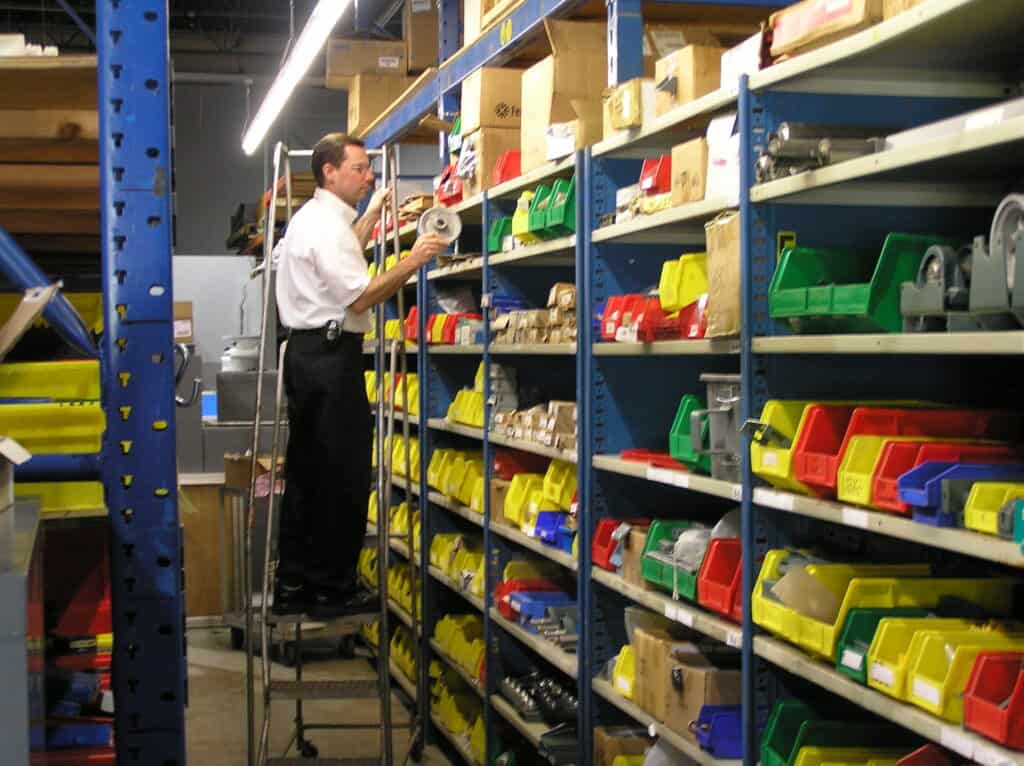
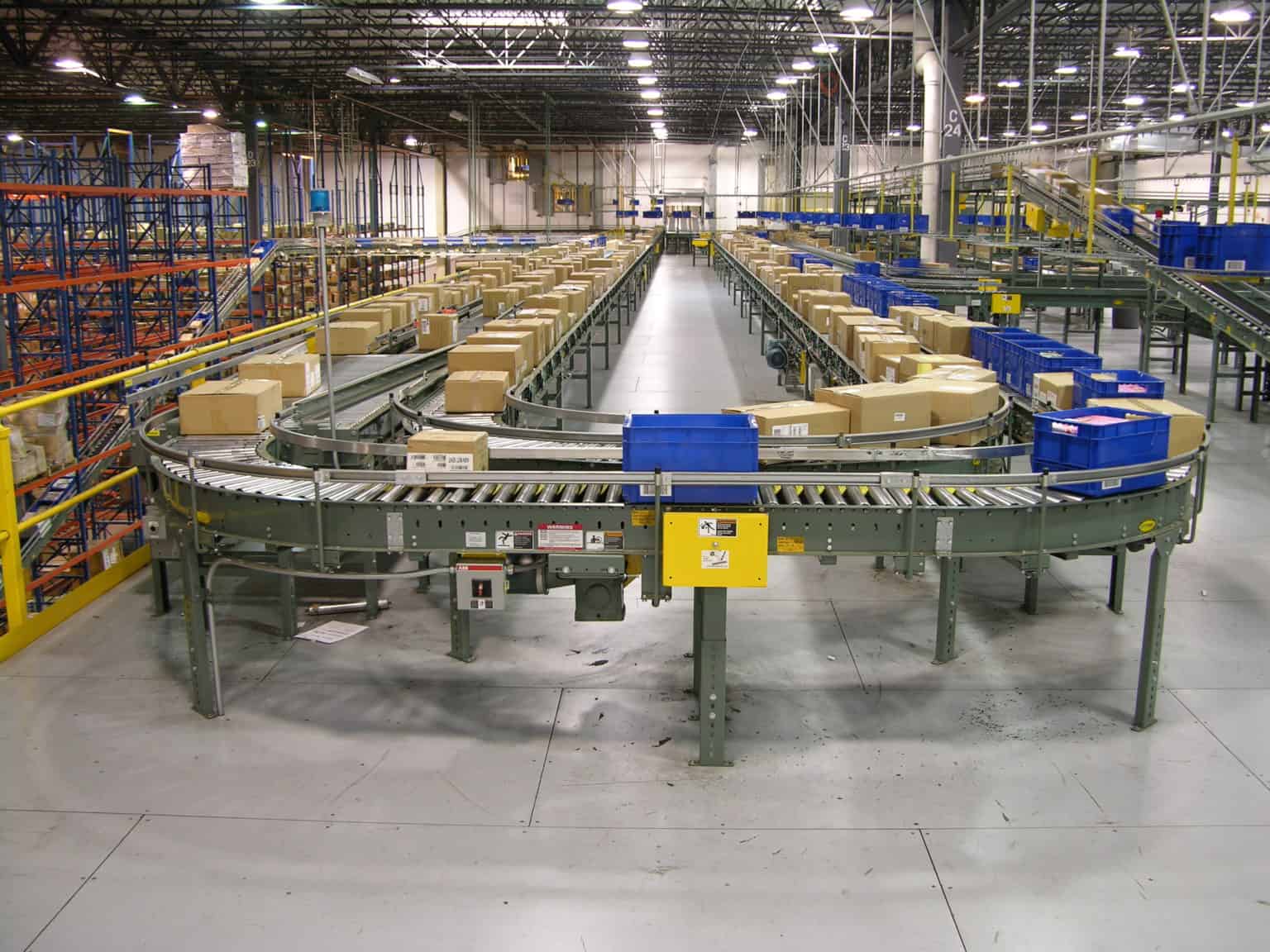
warehouse automation
OLYMPUS DIGITAL CAMERA

This shift is fundamentally reshaping how warehouses operate. Distribution centers that once handled predictable flows of goods for a single company are now expected to support dozens of clients, thousands of SKUs, and rapidly fluctuating order volumes. To meet these demands, 3PL operators are turning to warehouse automation, advanced conveyor systems, and intelligent material handling solutions.

For companies operating in distribution, fulfillment, and industrial logistics, understanding this transformation is essential. The growth of 3PL operations is not just an industry trend—it is redefining the future of warehouse design and automation.


The Rapid Expansion of the 3PL Industry

Third-party logistics providers have long played a role in supply chains, but their importance has accelerated dramatically over the last decade.

Today, businesses are relying on 3PL partners for a wide range of services, including:

  • Warehousing and storage
  • Order fulfillment
  • Inventory management
  • Transportation coordination
  • Reverse logistics
  • Packaging and labeling
  • Cross-docking operations

The appeal is straightforward. By outsourcing logistics operations, companies can focus on product development, marketing, and sales while experienced logistics providers manage the operational complexities of moving goods through the supply chain.

As a result, 3PL providers are handling a growing share of global distribution activity.

But with that growth comes operational pressure. Modern 3PL facilities must process high volumes of goods while supporting multiple clients with unique requirements. This environment demands warehouse systems that can scale rapidly and operate with exceptional efficiency.


Why More Companies Are Outsourcing Logistics

Several major forces are driving the rapid adoption of third-party logistics services.

Increasing Supply Chain Complexity

Supply chains have become global and interconnected. Products may be manufactured in one region, assembled in another, and distributed worldwide through complex transportation networks.

Managing these logistics internally requires specialized expertise, advanced technology, and significant infrastructure investment. Many companies prefer to partner with logistics providers that already have these capabilities in place.

3PL operators offer established distribution networks, warehouse systems, and operational teams designed specifically to handle supply chain complexity.


The Rise of E-Commerce

E-commerce has dramatically changed fulfillment expectations.

Consumers now expect:

  • Faster shipping times
  • Real-time order tracking
  • Accurate delivery estimates
  • Simple return processes

Meeting these expectations requires warehouses capable of processing thousands of small parcel shipments every hour.

Many traditional warehouses were never designed for this type of order volume or complexity. 3PL providers have stepped in to fill this gap, building fulfillment centers designed specifically for e-commerce operations.


Capital Investment Challenges

Building and operating a modern distribution center is expensive.

Costs include:

  • Warehouse construction
  • Automation equipment
  • warehouse management systems (WMS)
  • staffing and training
  • maintenance and infrastructure upgrades

Outsourcing logistics allows companies to convert these fixed costs into variable operating expenses. Instead of investing millions in infrastructure, they can partner with a logistics provider that already has the facilities and systems in place.


Rapid Market Expansion

Companies entering new geographic markets often need distribution capabilities quickly. Building new warehouses can take years.

3PL providers offer immediate access to established logistics networks, enabling businesses to expand into new regions without the delay of building new infrastructure.


The Operational Challenges Facing 3PL Providers

While outsourcing logistics creates advantages for clients, it places significant pressure on 3PL operators.

Modern logistics facilities must manage:

  • Multiple clients operating within the same facility
  • Thousands of SKUs with different handling requirements
  • Rapidly changing order volumes
  • Strict delivery deadlines
  • Complex inventory management

In many cases, a single warehouse may handle fulfillment for dozens of different companies simultaneously.

Each client may require different packaging formats, labeling standards, shipping carriers, and reporting processes.

Managing this level of complexity requires systems designed for flexibility and scalability.


The Growing Importance of Service Level Agreements

Service level agreements (SLAs) are central to 3PL operations.

Clients expect logistics providers to meet strict performance targets such as:

  • Order accuracy rates
  • Same-day shipping requirements
  • Inventory accuracy
  • Processing speed
  • Dock-to-stock timelines

Failure to meet these performance metrics can lead to financial penalties, lost business, or damaged relationships.

As client expectations increase, maintaining SLA performance becomes increasingly difficult—especially as order volumes fluctuate.

Automation and intelligent material handling systems play a critical role in maintaining consistent performance under these conditions.


Labor Challenges in Modern Warehousing

Labor availability has become one of the largest operational constraints in logistics.

Distribution centers frequently struggle with:

  • High employee turnover
  • Seasonal labor shortages
  • Rising wage costs
  • Physically demanding work environments

Manual warehouse operations require large numbers of employees performing repetitive tasks such as picking, sorting, labeling, and transporting products.

As order volumes increase, relying entirely on manual labor becomes inefficient and costly.

Automation technologies allow warehouses to reduce manual touches while improving productivity and operational consistency.


How Warehouse Automation Is Transforming 3PL Operations

Automation technologies are rapidly changing how distribution centers operate.

Instead of relying solely on manual processes, modern warehouses integrate automated systems that streamline product movement and reduce operational bottlenecks.

Several key technologies are driving this transformation.


Conveyor Systems: The Backbone of Modern Distribution

Conveyor systems form the foundation of many automated warehouse operations.

These systems transport products efficiently throughout the facility, reducing the need for employees to manually move goods between workstations.

Benefits of conveyor systems include:

  • Faster product movement
  • Reduced employee travel time
  • Increased throughput
  • Improved operational consistency

In high-volume distribution environments, conveyors enable facilities to maintain steady product flow across large warehouse footprints.

Companies such as Century Conveyor specialize in designing conveyor systems tailored to the operational needs of distribution centers, manufacturing facilities, and logistics providers.


High-Speed Sortation Systems

Sortation technology plays a critical role in e-commerce and parcel distribution environments.

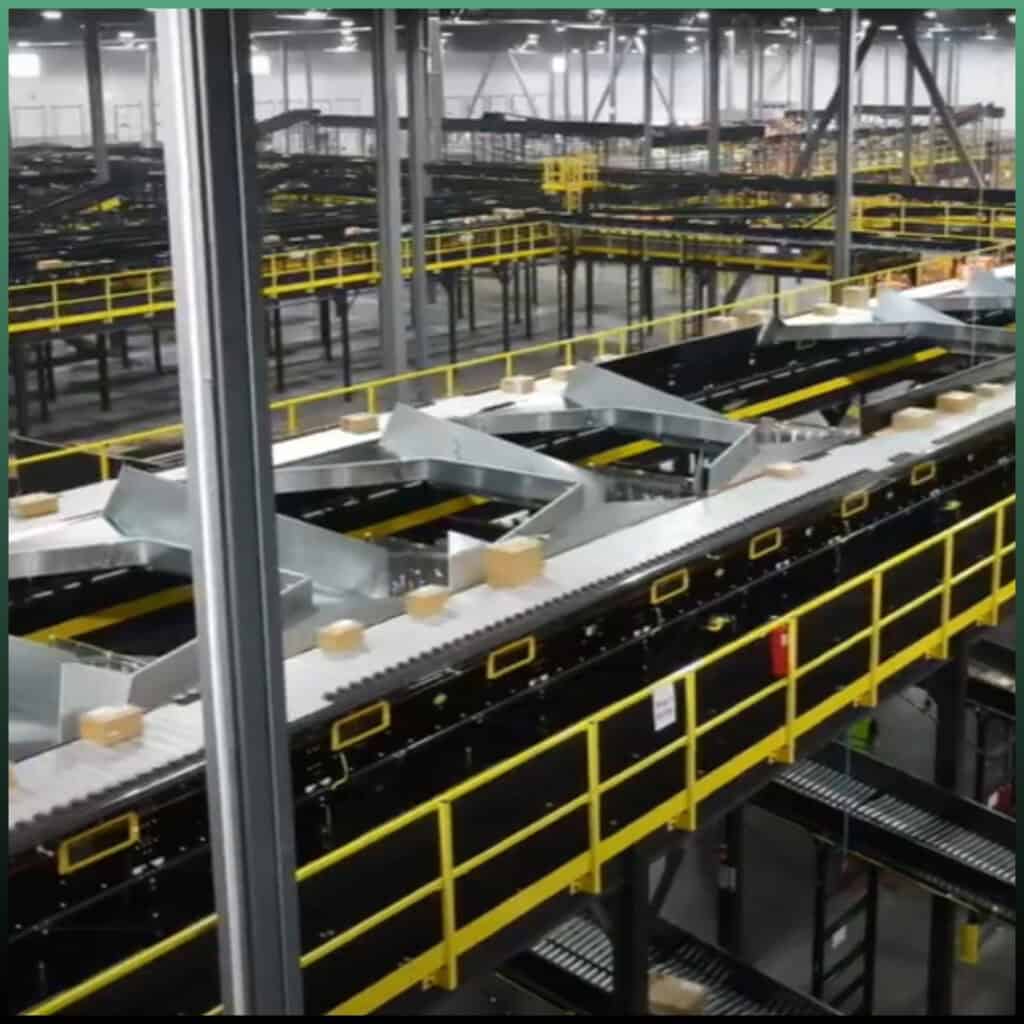
Sortation systems automatically direct packages to their correct destinations based on order data.

High-speed sorters can process thousands of items per hour with remarkable accuracy.

These systems are commonly used for:

  • E-commerce fulfillment
  • parcel shipping operations
  • cross-docking environments
  • high-volume distribution centers

By automating sorting processes, warehouses reduce manual handling while improving order accuracy and processing speed.


Automated Induction Systems

In many warehouses, employees manually place products onto conveyor lines for sorting and processing.

Automated induction systems eliminate this manual step.

These systems automatically feed products into conveyor networks, allowing facilities to maintain continuous product flow with fewer labor requirements.

Benefits include:

  • Reduced manual labor
  • consistent product flow
  • improved system throughput
  • lower operational costs

For high-volume operations, induction automation can significantly improve efficiency.


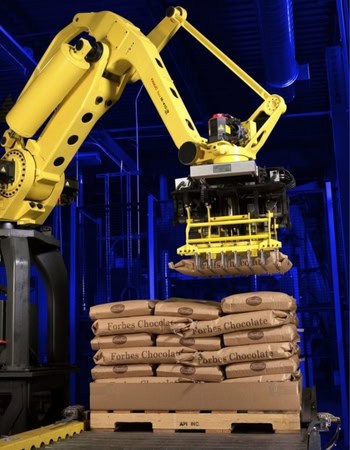
Robotic Picking and Handling

Robotic systems are increasingly used to assist with picking and product handling tasks.

These systems can:

  • retrieve items from storage locations
  • transport products between workstations
  • assist with palletizing and depalletizing
  • support order fulfillment operations

Robotics help warehouses maintain productivity even during labor shortages.


Warehouse Software and Control Systems

Automation hardware works alongside advanced software platforms that manage warehouse operations.

These systems coordinate product movement, manage inventory data, and optimize workflow throughout the facility.

Common technologies include:

  • Warehouse Management Systems (WMS)
  • Warehouse Control Systems (WCS)
  • Warehouse Execution Systems (WES)

These platforms provide real-time visibility into warehouse performance and allow operators to identify inefficiencies quickly.


Why Flexibility Is Essential in 3PL Warehouses

Unlike single-client distribution centers, 3PL facilities must remain flexible.

New clients may introduce:

  • different product sizes
  • varying packaging formats
  • unique order volumes
  • different shipping carriers
  • specialized handling requirements

Automation systems must adapt to these changing conditions without requiring major infrastructure modifications.

Modern material handling systems are often designed with modular architecture, allowing facilities to scale and reconfigure operations as business needs evolve.


Designing Warehouses for Long-Term Growth

Forward-thinking logistics operators design facilities that can scale as demand increases.

Important considerations include:

  • scalable conveyor infrastructure
  • flexible sortation layouts
  • expandable pick modules
  • efficient dock operations
  • integrated warehouse software systems

Facilities designed for expansion avoid costly retrofits and operational disruptions as volumes grow.

Engineering expertise is essential in planning these systems effectively.

Companies like Century Conveyor work with warehouse operators to design material handling solutions that support both current operations and future growth.


Automation as a Competitive Advantage

Automation is no longer simply a tool for improving efficiency—it has become a strategic advantage in the logistics industry.

3PL providers that invest in automation gain the ability to offer:

  • faster order fulfillment
  • higher processing capacity
  • improved order accuracy
  • reduced labor dependency
  • scalable infrastructure for new clients

These capabilities allow logistics providers to remain competitive in an industry where speed and reliability are critical.


The Future of 3PL Logistics

The logistics industry will continue evolving as supply chains become more complex.

Several trends will shape the next generation of distribution centers:

  • Increased adoption of robotics
  • Artificial intelligence for warehouse optimization
  • Advanced data analytics for demand forecasting
  • Integration between warehouse systems and transportation networks
  • Greater reliance on automated material handling systems

As these technologies mature, warehouses will become increasingly intelligent, automated, and adaptable.


Preparing for the Next Era of Distribution

The growth of third-party logistics providers shows no signs of slowing.

As companies continue outsourcing logistics operations, distribution centers must be prepared to handle greater complexity, higher volumes, and stricter performance expectations.

Warehouse automation, intelligent facility design, and advanced material handling systems will play a central role in helping logistics providers meet these demands.

For organizations looking to scale operations efficiently, investing in the right automation infrastructure is essential.

Companies like Century Conveyor provide the expertise needed to design and implement conveyor systems, sortation technology, and automation solutions that keep distribution centers operating at peak performance.

In an industry defined by speed, precision, and adaptability, the right material handling systems can make the difference between simply keeping up—and leading the future of logistics.
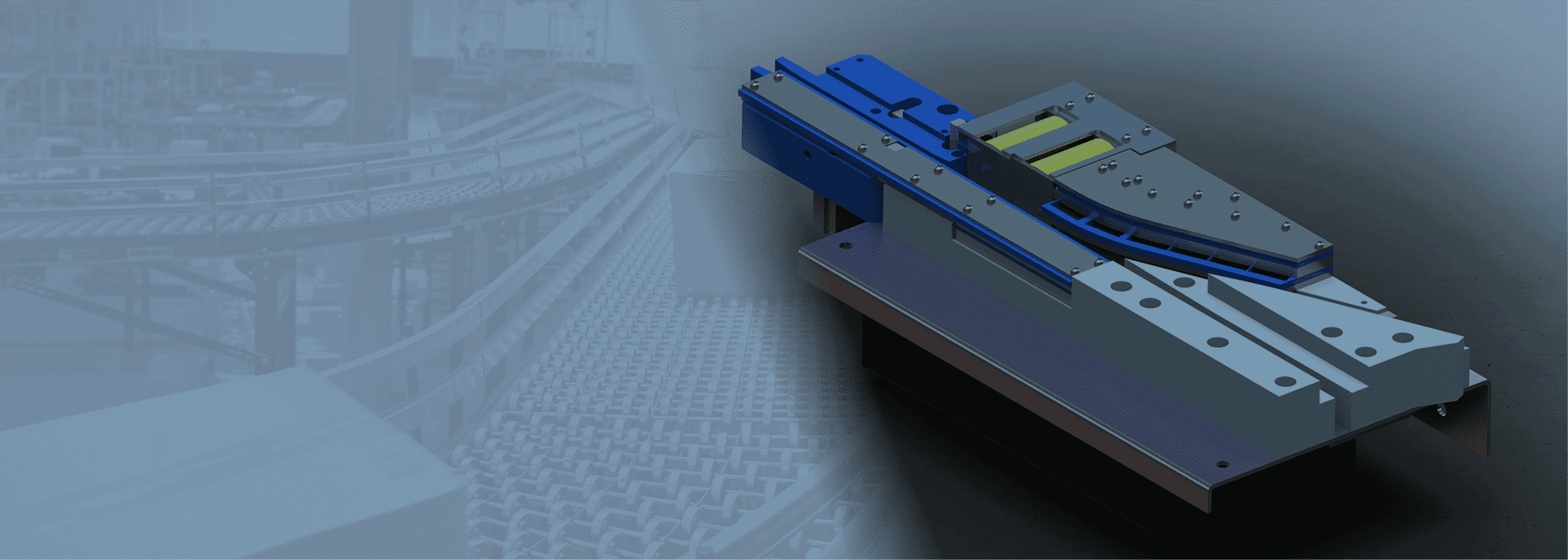
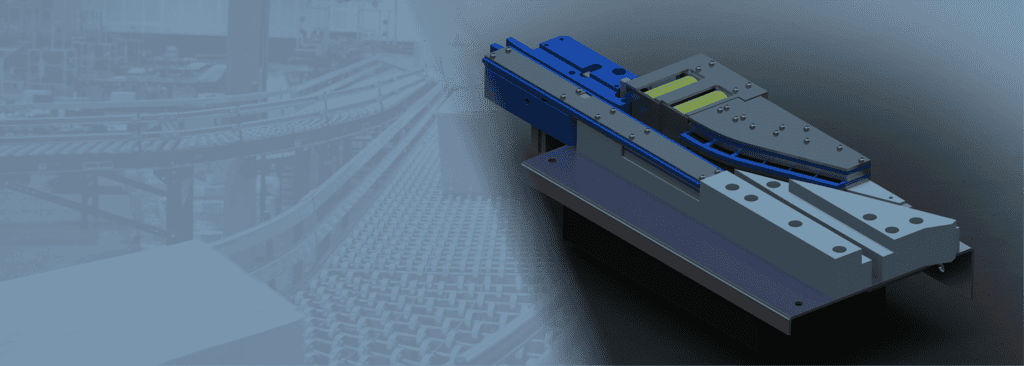
The LMS (Gen 4) Brings Electromagnetic Switching to the Sorter You Already Have

The LMS

Now Available — Retrofit Upgrade – The LMS is ready to improve your productivity.


The LMS

The Problem With Mechanical Switching

Most shoe sorters in operation today rely on a mechanical switching mechanism that was designed for a different era of distribution — one where throughput demands were lower, maintenance windows were longer, and downtime was more forgiving. That era is over.

Mechanical diverters are subject to constant wear. Every cycle puts friction on moving parts. Over time, that means more frequent part replacements, harder-to-predict failures, and maintenance that happens on the sorter’s schedule rather than yours. In high-velocity distribution and fulfillment environments, that’s not a manageable trade-off — it’s a liability.

The good news: replacing the entire sorter isn’t the only path forward.


The Solution: LMS Gen 4 Electromagnetic Switch Upgrade

The LMS Gen 4 (V4) from LaFayette Engineering — integrated and supported by Century Conveyor — is a direct retrofit upgrade engineered to replace your existing switch mechanism with a fully electromagnetic system. It installs into your current sorter and brings next-generation diverting performance without requiring a new conveyor investment.

Rather than relying on moving mechanical components to actuate each divert, the Gen 4 drives every switch electromagnetically — delivering precise, consistent, and controllable actuation on every single cycle. The result is a fundamentally more reliable system with a measurably longer service life.


What the Gen 4 LMS Delivers

⚡ 725 FPM Divert Speed — Capable of diverting every other shoe at 725 FPM, built for the throughput demands of today’s most high-velocity distribution and fulfillment operations.

📈 Longer Operational Lifespan — Electromagnetic diverting eliminates moving parts entirely, dramatically reducing wear and tear to extend the operational lifespan of your sorting system.

🔧 Planned Maintenance — The LMS lets you plan maintenance around your downtime schedule, not the other way around. Shift from reactive repairs to predictable, scheduled service windows you control.

🌎 Multi-Environment Ready — Engineered to perform reliably in temperature-controlled, refrigerated, high-humidity, and specialty environments — including the rigorous demands of liquor distribution.


Why Retrofit Instead of Replace?

A full sorter replacement carries substantial capital cost, extended implementation timelines, and operational disruption during cutover. For many operations, the sorter itself isn’t the problem — the switching mechanism is. The Gen 4 LMS addresses the root cause directly.

By retrofitting electromagnetic switching technology into your existing infrastructure, you preserve the investment you’ve already made while bringing your diverting capability in line with where modern distribution operations need to be. It’s a targeted upgrade with a focused return: faster throughput, fewer surprises, and maintenance on your terms.

Whether you’re running a high-volume e-commerce fulfillment center, a temperature-sensitive food and beverage operation, or a multi-line parcel sortation facility, the Gen 4 is engineered to match the demands of your environment.


See Us at MODEX 2026

We’ll be on the floor in Atlanta to walk you through the LMS retrofit process, answer technical questions, and discuss what a Gen 4 upgrade looks like for your specific operation. No commitment — just a conversation worth having.

  • Dates: April 13–16, 2026
  • Location: Atlanta, GA — Georgia World Congress Center
  • Booth: C14787

Want to set aside time with our team before the show? Availability fills quickly — reach out early and we’ll come prepared with an approach built around your operation.


Ready to Explore a Gen 4 Upgrade for Your Facility?

The Gen 4 LMS is available now as a retrofit upgrade for existing shoe sorters. Whether you’re planning ahead, dealing with rising maintenance costs on an older switch mechanism, or simply want to understand your options, Century Conveyor is ready to walk you through the details.

Can’t make it to the show? We’re available to walk you through upgrade options for your facility at your convenience. Schedule time with our team.

Warehouse Layout Management: Why a LaFayette Magnetic Sortation (LMS) Is Critical for Modern Conveyor & Automation Projects

The LMS
LMS

Walk into almost any established warehouse or distribution center and ask a simple question:

“Do we have a fully accurate, up-to-date facility layout?”

Most of the time, the answer is complicated.

There’s a CAD file from years ago. A PDF that’s been marked up and re-marked up. A mezzanine that was added but never properly documented. Conveyor lines that were extended during peak season. Utilities that were rerouted to solve a short-term problem and never updated in the drawings.

Individually, these changes seem minor. Collectively, they introduce risk—risk that quietly compounds until the next major conveyor expansion, automation retrofit, or system integration project exposes the gap.

For warehouse managers, operations directors, and industrial engineers, warehouse layout management is no longer a clerical task. It is a strategic function that directly impacts cost, speed, scalability, and long-term ROI.

This is where a professionally implemented LaFayette Magnetic Sortation (LMS)—like the one offered by Lafayette Engineering—changes the conversation.


The Foundation of Every Conveyor and Automation Project

Every successful conveyor system planning effort starts with a basic truth: you must know exactly what exists before you design what comes next.

When Century Conveyor begins a new project—whether it involves sortation, pallet conveyor, robotics, or broader material handling system design—the first step is understanding the real-world constraints of the facility. That includes column grids, clear heights, structural load capacities, egress paths, utilities, and the precise location of existing equipment.

If that information is inaccurate, incomplete, or outdated, the design team is forced to compensate. Sometimes they design conservatively, building in extra clearance to avoid unknown conflicts. Other times, they discover issues only after installation begins—when field crews find that a beam is lower than expected or that an undocumented utility line runs directly through the planned conveyor route.

The result is almost always the same: rework, delay, cost escalation, and frustration.

The Project Management Institute consistently identifies poor documentation and scope misalignment as major contributors to project overruns.
Project Management Institute – https://www.pmi.org

In industrial environments, those overruns are not theoretical. They show up as expedited freight, field modifications, redesign hours, and extended downtime.

The irony is that many of these issues are preventable. The missing ingredient is facility layout accuracy.


The Quiet Cost of Outdated Drawings

Warehouses are living systems. They evolve continuously.

A new pick module is installed to handle e-commerce growth. A temporary conveyor extension becomes permanent. Racking is relocated to increase density. A mezzanine is added to accommodate seasonal labor. A maintenance team reroutes compressed air or electrical lines to solve an operational bottleneck.

Each change makes sense at the time. But if documentation does not keep pace, the facility’s “official” layout gradually diverges from reality.

Over time, that divergence becomes more than an inconvenience. It becomes operational and financial exposure.

Consider safety compliance. OSHA regulations require safe working environments, including proper egress and equipment clearance.
OSHA Standards – https://www.osha.gov/laws-regs

If emergency exit paths or equipment clearances are inaccurately documented, audits become more complicated. Risk increases.

Now consider capital planning. When leadership evaluates automation upgrades—robotics, AS/RS systems, high-speed sortation—they rely on layout data to assess feasibility and ROI. If that data is unreliable, capital decisions are made on shaky ground.

According to McKinsey research, advanced warehouse automation can improve productivity by up to 30%.
McKinsey Supply Chain Insights – https://www.mckinsey.com/capabilities/operations/our-insights

But automation success depends on precise spatial understanding. You cannot accurately simulate throughput, density, or workflow without a trustworthy baseline.

Outdated drawings quietly undermine strategic growth.


From Static Drawings to Strategic Asset

This is where the concept of a LaFayette Magnetic Sortation (LMS) becomes transformative.

An LMS is not simply a shared folder of CAD files. It is not a one-time drafting update. It is a structured, controlled approach to managing the physical intelligence of an industrial facility.

Think of it this way: just as operations teams use warehouse management systems (WMS) to control inventory and workflows, an LMS governs the physical environment itself.

A well-implemented LMS centralizes and standardizes:

  • Facility layouts
  • Conveyor routing
  • Equipment positioning
  • Racking configurations
  • Structural elements
  • Utilities and service pathways

Instead of static drawings that slowly degrade in relevance, the facility becomes a documented, version-controlled, continuously updated system.

For operations leaders, that shift is powerful. The facility is no longer a black box that engineers must rediscover every time a project begins. It becomes a known, measurable asset.


How Lafayette Engineering Approaches LMS

Lafayette Engineering developed its LMS offering specifically for industrial and material handling environments. Their background in material handling system design and automation engineering shapes how they approach layout management.

The process begins with clarity.

Rather than relying on assumptions or legacy drawings, Lafayette Engineering focuses on capturing the true current state of the facility. That may involve on-site verification, dimensional confirmation, and structured updates to ensure that structural elements, conveyor systems, elevations, and utilities reflect real-world conditions.

But the real value is not just in the initial capture. It is in how the information is organized and maintained.

Lafayette Engineering structures layout data in a way that supports long-term scalability. The documentation is standardized so it can be used effectively for:

  • Future conveyor expansions
  • Warehouse automation initiatives
  • Maintenance planning
  • Capacity modeling
  • Structural feasibility analysis

Changes are tracked. Versions are controlled. Updates are integrated into the master documentation.

In short, the LMS transforms industrial facility documentation from an afterthought into a managed system.

To explore the full scope of the service, visit:
Lafayette Engineering LMS – https://www.lafayette-engineering.com/lms/


The Strategic Advantage for Warehouse Leaders

For warehouse managers and supply chain executives, the benefits of disciplined warehouse layout management extend far beyond cleaner drawings.

First, risk decreases. When Century Conveyor evaluates a new conveyor installation or system integration project, accurate layout data reduces the likelihood of field surprises. Projects move faster and with greater confidence.

[Internal Link: Conveyor Systems Page]

Second, planning accelerates. Instead of spending weeks reconciling outdated documents, engineering teams can begin analysis immediately. Budget estimates become more accurate. ROI calculations become more credible.

Third, long-term capital strategy improves. With reliable layout data, leadership can model phased automation rollouts rather than pursuing reactive, piecemeal upgrades. Mezzanine additions, pick module expansions, and sortation retrofits can be evaluated in the context of a documented roadmap.

Fourth, cross-functional alignment strengthens. Maintenance teams, engineering departments, and executive leadership reference the same controlled documentation. Discrepancies decrease. Decision-making becomes faster and more informed.

When viewed holistically, an LMS is not a drafting expense. It is a risk management tool and a strategic planning platform.


Why Layout Accuracy Is a Competitive Differentiator

The broader industry trend is clear. Organizations like the Council of Supply Chain Management Professionals (CSCMP) emphasize agility and infrastructure readiness as critical competitive factors.
CSCMP – https://cscmp.org

Agility depends on visibility. Visibility depends on accurate data.

Facilities that invest in layout precision are positioned to:

  • Scale automation quickly
  • Adapt to shifting demand
  • Integrate robotics and new technologies
  • Reduce downtime during upgrades
  • Attract investment with confidence

Facilities operating from outdated documentation must rediscover their constraints each time change occurs.

Over time, that difference compounds.


A Stronger Partnership Between Century Conveyor and Lafayette Engineering

Century Conveyor is known for delivering engineered material handling solutions that solve real operational challenges. But even the most advanced conveyor system design depends on accurate foundational data.

By leveraging Lafayette Engineering’s LMS capabilities, Century Conveyor clients gain a strategic advantage before the first piece of equipment is installed.

Designs are grounded in reality. Risks are identified early. Installation proceeds with greater certainty. Future expansion paths are clearer.

The result is not just a successful project—it is a stronger, more resilient facility.


From Reactive Documentation to Proactive Strategy

Industrial operations are under constant pressure to move faster, handle more SKUs, manage labor volatility, and justify capital investments.

In that environment, facility layout accuracy cannot remain an afterthought.

A disciplined LaFayette Magnetic Sortation (LMS) transforms documentation from a reactive exercise into a proactive strategy. It supports smarter conveyor system planning, more effective warehouse automation, and stronger long-term operational performance.

If your facility drawings are outdated, fragmented, or inconsistent, now is the time to address it—before your next automation initiative exposes the gap.

Explore Lafayette Engineering’s LaFayette Magnetic Sortation to see how engineered layout precision can reduce risk and strengthen your facility’s future:

👉 Learn more about Lafayette Engineering’s LMS:
https://www.lafayette-engineering.com/lms/

Or connect with Century Conveyor to discuss how accurate layout management can improve your next material handling initiative:

In modern distribution environments, precision is not optional.

It is competitive advantage.

Your Warehouse Shouldn’t Cost You People: How F&B Distributors Are Reducing Injuries With Automation

automated_sortation_equipment_food_distribution

In food and beverage distribution, the work is physical, the pace is relentless, and the margin for error is thin. Cases move constantly — from receiving docks to staging lanes to outbound pallets — and for most operations, a significant portion of that movement still depends on manual labor. Workers lift, stack, and repeat. Shift after shift. Year after year.

The result is predictable. Repetitive motion injuries accumulate. Good people get hurt. Some come back, some don’t. The ones who stay are grinding through shifts that take a real toll on their bodies — and the ones who leave take institutional knowledge and trained capacity with them. Turnover compounds the problem. New hires get placed into the same physically demanding roles, and the cycle continues.

This isn’t a story unique to one facility or one company. It’s a pattern that Century Conveyor’s team hears consistently from food and beverage distributors across the country. And while no one expects a distribution center to run without people, there’s a better way to think about where human effort should actually go — and where automation can step in to carry the load.


century_conveyor_homepage_section_1_system_image

The Real Cost of Manual Palletizing: Reducing Injuries With Automation

When people talk about the cost of automation, the conversation usually starts with the price tag of the equipment. That’s a fair place to start, but it rarely tells the full story.

Consider what manual palletizing actually costs a food and beverage operation over time. Workers’ compensation claims. Modified duty assignments. Productivity losses during peak seasons when injured team members can’t perform at full capacity. The ongoing expense of recruiting and training replacement workers in a labor market that continues to tighten. The management time spent backfilling roles, navigating HR processes, and trying to maintain throughput during periods of reduced headcount.

These costs are real, they’re ongoing, and in many operations they’re so embedded in the normal cost of doing business that they’ve become invisible. The question worth asking isn’t whether automation is expensive. It’s whether the status quo is actually cheaper than it appears.


Two Solutions Designed for F&B Distribution

At Century Conveyor, the approach isn’t to sell a product catalog and find a customer to fit it. The work starts with understanding the specific operation — the floor layout, the product mix, the throughput demands, the pain points — and then engineering a system that actually solves the problem at hand. For food and beverage distributors dealing with injury risk and labor strain, there are two approaches that Century’s team has deployed repeatedly and effectively.

Robotic Palletizing

Robotic palletizing addresses one of the highest-risk tasks in any distribution center: the repetitive stacking of cases onto outbound pallets. It’s a task that requires precision, but it doesn’t require a person. Century’s robotic palletizing solutions — including palletizing and depalletizing arms and fully engineered robotic cells — are designed to handle this work continuously, without fatigue, without the injury risk that comes from repetitive motion, and without the throughput variability that comes with manual labor.

These systems don’t operate on a single template. Century designs each robotic palletizing installation around the realities of the specific facility — the SKU mix, the pallet configurations, the available floor space, the throughput requirements. The goal is a system that fits the operation, not one that forces the operation to adapt to it.

The downstream effects of removing manual palletizing from the equation go beyond injury reduction. When workers aren’t assigned to physically punishing end-of-line tasks, they’re available for roles that benefit from human judgment and flexibility. Throughput stabilizes. Injury claims decrease. Turnover in the most physically demanding positions drops. The operation becomes more predictable and more sustainable.

Pallet Handling Conveyor Systems

The risks in a food and beverage distribution center don’t begin and end at the palletizer. Loaded pallets moving through a facility — whether by hand, by forklift, or by a combination of both — represent a persistent source of bottlenecks, collisions, and manual handling exposure. Every time a loaded pallet changes hands or requires a fork truck to navigate a congested lane, there’s an opportunity for something to go wrong.

Century’s pallet handling conveyor solutions address this by automating the flow of product through the facility — from inbound receiving through staging and outbound shipping. By reducing the number of times a pallet needs to be touched or moved manually, these systems decrease the fork traffic that creates congestion and risk, improve overall flow efficiency, and reduce the manual handling exposure that contributes to injury.

Importantly, these systems are designed to integrate with existing facility layouts rather than require a complete operational overhaul. The goal is to improve what’s already working while removing the friction points that are creating problems — not to replace a functional operation wholesale with something unfamiliar.


What It Means to Work With a Full-Service Integrator

Automation projects fail when the equipment is right but the integration is wrong. A robotic palletizing cell that isn’t properly positioned within the flow of the line, or a pallet conveyor system that wasn’t designed to interface with the facility’s existing controls infrastructure, doesn’t deliver the value it’s capable of. The technology is only as effective as the engineering and execution behind it.

Century Conveyor is a full-service automation integrator, which means the team manages every phase of a project from initial concept through long-term support. That includes system design and engineering, controls engineering, control panel design and fabrication, mechanical and electrical installation, project management, and ongoing service and parts support after the system is live.

This matters for food and beverage distributors for a practical reason: you’re not coordinating between multiple vendors to get a project across the finish line. There’s one team accountable for the outcome from start to finish. When questions arise during installation — and they always do — there’s no finger-pointing between separate contractors. When the system needs support after go-live, the same team that built it is available to service it.

Century’s service capabilities include 24/7 support and a preventative maintenance program designed to keep systems running at peak performance over the long term. For operations that run around the clock, that kind of ongoing support infrastructure isn’t optional — it’s a requirement.


The Bigger Picture for F&B Distribution

The pressure on food and beverage distributors isn’t easing. Labor availability remains a challenge. The physical demands of distribution work haven’t decreased. And the expectation from customers for fast, accurate, consistent fulfillment has only grown.

Automation isn’t a solution to every challenge in a distribution center, and it’s not positioned that way. But for the specific, high-risk, highly repetitive tasks — end-of-line palletizing, pallet movement between zones, the manual handling work that wears people down over time — it’s a well-proven and increasingly accessible answer.

The facilities that are getting ahead of this challenge aren’t waiting for a crisis to force the conversation. They’re looking at the injury data, the turnover numbers, and the throughput constraints, and making a deliberate decision to invest in systems that protect their people and improve their operations at the same time. That decision tends to look better with every passing year.


See It in Person at MODEX 2026

Century Conveyor will be on the floor at MODEX 2026 in Atlanta — the nation’s premier supply chain and material handling trade show — April 13 through 16 at the Georgia World Congress Center. Find the team at Booth C14787.

For food and beverage distributors thinking seriously about automation, MODEX is an opportunity to see live systems, ask direct questions, and have a real conversation about what a project might look like for your specific operation. Availability for booth meetings fills up, so reaching out in advance to reserve time is recommended.

To learn more about Century Conveyor’s robotic palletizing and conveyor systems, or to start a conversation with an automation expert before the show, visit centuryconveyor.com or call (908) 205-0625.


Century Conveyor Systems is a full-service material handling automation integrator serving warehouses and distribution centers nationwide, with offices in New Jersey, California, and Kentucky.

Attabotics technology enters new era as part of LaFayette Systems

Innovative goods-to-person cube storage technology now part of family-owned group of businesses with over 30 years of material handling and warehouse automation experience

  • New ownership provides stable financial foundation, engineering and domain expertise to enhance customer support, advance technology development and commercialization
  • Leadership team combines mix of legacy Attabotics staff and material handling industry veterans
  • As part of LaFayette Systems, Attabotics gains access to footprint and resources throughout the United States
  • Existing Attabotics location at 10th St NE in Calgary to continue operation

CALGARY, Alberta, Canada. (Feb. 10, 2026) –Attabotics, a provider of robotic cube storage solutions for goods-to-person warehouse applications, announces it will restart operations as part of LaFayette Systems. LaFayette is a privately owned, closely held organization with a decades-long reputation as a trusted partner in material handling automation. The company acquired Attabotics in September 2025, establishing a strong foundation to further develop, deploy and support Attabotics’ patented technologies.

“As we begin this new chapter, our goal is simple: pair the exceptional technology from Attabotics with LaFayette’s warehouse automation expertise and customer-first culture,” says Bruce Robbins, who founded LaFayette in 1989. “We believe that combination brings the right focus and discipline to the technology and allows us to deliver reliable, long-term value for our customers.”

The existing Attabotics facility in Calgary will continue to house key engineering, business and manufacturing functions. The new Attabotics leadership team is a deliberate balance of deep institutional knowledge and fresh perspectives. Legacy team members Mark Dickinson, John Hickman and Derek Fortier remain with the organization, with Dickinson leading overall strategy and operations, Hickman heading manufacturing and Fortier overseeing supply chain management. Several veteran Attabotics engineers also remain on staff, preserving specialized technical expertise. Joining the team to lead sales and software is Art Eldred, who brings over 30 years of material handling experience at Vargo, Dematic and Intelligrated.

“Attabotics was built on innovative technology and strong engineering, and now as part of LaFayette Systems, we have the support to fully realize its potential,” says Mark Dickinson, Senior Vice President and General Manager, and part of the Attabotics team since 2020. “We’re focused on accelerating development, improving reliability and listening to what matters to customers, so that we can meet demand for technology that simplifies complex fulfillment operations.”

LaFayette Systems maintains a coast-to-coast U.S. presence through its family of companies, including: LaFayette Engineering, which specializes in conveyor and sortation software and controls; Mesh Automation,, a provider of industrial robotics and machine vision solutions; Century Conveyor Systems, which focuses on the northeast U.S. to provide conveyor system design and integration, installation and on-site maintenance services; and Kendale Industries, a custom metal fabricator focused on material handling components and accessories.

Across the entire LaFayette organization, the core mission is to serve as a true customer advocate. That includes immediate problem solving as soon as an issue arises and providing the transparency to recommend alternative solutions – even when the best path forward lies outside the group’s own portfolio. This commitment extends to Attabotics, and each employee signs a pledge to uphold these values.

For more information, visit Attabotics in booth C14787 at the upcoming MODEX trade show in Atlanta, April 13-16.

To access an image, click here.

About Lafayette Systems

Headquartered in Danville, Kentucky, LaFayette Systems combines a family of material handling companies with varying specialties that together design, build and integrate conveyor, sortation and robotics systems for global brands.

About Attabotics

Attabotics debuted as the world’s first robotics goods-to-person cubic storage and retrieval system in 2016, offering a space-efficient and high-speed alternative to traditional warehouse fulfillment. The innovative Attabotics technology replaces the rows and aisles of traditional fulfillment centers with a patented storage structure and robotic shuttles that utilize both horizontal and vertical space to significantly reduce warehouse space requirements and provide direct access to any location with only value-added moves.

About LaFayette Engineering

Founded in 1989, LaFayette Engineering started in Danville, Kentucky as a controls company providing automation systems for manufacturers and system integrators. LaFayette Engineering has evolved to provide complete systems integration, warehouse control software, SCADA diagnostics systems, project management, installation and 24/7 support. The beginning focus to put our customer’s interest first and listen to their needs and concerns has stayed as our primary focus.

Media contact:
Dan Gauss
Koroberi
336.409.5391
dan@koroberi.com

Why warehouse automation is no longer optional in 2026

warehouse_automation_ffor_2026_blo_header_image

Automation: the only way forward.

Warehouse and distribution center operators are under more pressure in 2026 than at any point in recent times. Volumes continue to climb, labor remains unpredictable, and viable space is both expensive and  limited to come by. At the same time, customer expectations for speed, accuracy, and consistency haven’t softened.

As a result, more companies are making a strategic shift toward material handling automation, not as a future initiative, but as a near-term necessity.

With how tariffs and geopolitical winds shift so drastically in recent years, automation is a constant foundational system that can adjust accordingly to any low/high demand forecasts and unseen barriers

Below are the top reasons automation is accelerating across warehouses and DCs, backed by real operational data and what we’re seeing in the field.

What is driving warehouse operators to automate?

Too Much Labor Is Spent Moving, Not Working

One of the most eye-opening statistics for warehouse operators is how labor time is actually used day to day.

On average, 40–60% of warehouse labor time is spent walking or transporting product, not picking, packing, or performing value-added tasks (TGW).

That inefficiency compounds quickly:

  • More headcount is required to move the same volume
  • Travel paths grow longer as operations scale
  • Productivity gains hit a ceiling, even with good labor management and a large team
moving_labor_section_image_2026_automation_blog

 Conveyor systems, accumulation, and automated transport remove unnecessary travel from the equation. Instead of workers chasing product, product flows to workers, freeing labor to focus on accuracy, throughput, and exceptions.

Labor Availability Remains a Persistent Constraint

Despite wage increases and recruitment efforts, more than half of warehouse operators still report difficulty hiring and retaining quality labor (SDCEXEC) This has been an ongoing issue since COVID, and warehouses can’t seem to shake it.

  • 42% of operators plan to increase use of flexible workers this year
  • Certain warehouses report close to a 200% turnover rate (InboundLogistics)
  • 52% cite finding reliable, quality labor as their top challenge
  • Entry-level warehouse workers now earn between $19-$22 an hour in nearly half of facilities.
staffing_issues_section_image_2026_automation_blog

Automation doesn’t eliminate labor, it empowers workers to focus on more meaningful tasks while forgoing repetitive, monotonous work. Fewer workers are needed to move the same volume, training time is reduced, and productivity becomes less dependent on individual experience levels.

For many operators, automation is seen as the one true solution to removing significant staffing issues. If your company is growing, more employees will be required, which will only make hiring more difficult – unless automation can fill those gaps

Demand Is Growing Faster Than Available Space

A Prologis study finds that U.S. warehouse utilization is climbing toward expansionary levels, meaning companies are using up existing space and leasing more (Prologis). This often pushes operators to adopt automation to extract more productivity from existing facilities before expanding physical footprint.

With space at a premium both within facilities and in the market, operators are:

  • Expanding into new building or investing in additions
  • Overhauling a current setup to one that’s focused on maximizing space
  • Increasing throughput density inside current facilities
  • Re-evaluate warehouse network and consolidate facilities to a more automated site
demand_section_image_2026_automation_blog

Material handling automation allows facilities to do more within the same footprint. Conveyors, sortation, optimal storage setups and vertical accumulation maximize cubic space, compress travel distances, and support higher order volumes without adding square footage. Second level mezzanines, ceiling-supported racking, and hanging conveyor lines can make use of vertical space while keeping warehouse floors clear

There exist many solutions focused on saving space, the hard part is selecting the best one for your facility and operational needs (This is something Century specializes in)

In short: automation enables growth when real estate cannot.

The Automation Market Continues to Grow

Just a few years ago, conveyor systems, robotics, sorters, and other automated equipment were considered “advanced” solutions reserved for large warehouse network operators (Amazon, Walmart, Home Depot).

That’s no longer the case.

The warehouse automation market size is estimated at $29.91 billion in 2025 and is projected to advance to  $63.36 billion by 2030, reflecting a robust 16.20% CAGR. Growth rides on three converging currents: sustained e-commerce volume, persistent labor scarcity, and subscription-based robotics services that lower capital barriers. Hardware, particularly AS/RS installations and conveyor infrastructure, still accounts for most spending, yet software layers that synchronize people, robots, and inventory are scaling faster as fulfillment centers move toward data-driven orchestration. (Mordor Intelligence)

  • By component, hardware captured 58% of the warehouse automation market share in 2024, whereas software is set to post the highest 17% CAGR through 2030.
  • By technology, AS/RS led with 30.5% of warehouse automation market share in 2024; mobile robots are forecast to expand at a 20.5% CAGR to 2030.
  • By end-user industry, retail & e-commerce held 28% revenue share in 2024, while e-grocery is projected to grow at 18.3% CAGR through 2030.
  • By warehouse size, medium facilities (50–200 k sq ft) commanded 37% of the warehouse automation market size in 2024; mega sites (>500 k sq ft) are advancing at a 17.2% CAGR to 2030.
  • By ownership, company-owned sites represented 52% of the 2024 warehouse automation market size, but 3PL facilities are expected to record a 16.4% CAGR to 2030.
automation_market_growth_section_image_2026_automation_blog

This shift reflects:

  • Lower barriers to entry
  • Modular, scalable system designs
  • Proven performance across industries
  • Faster and more flexible implementation timelines
  • The constant need to automate to capture increased demand

Automation is no longer a differentiator, it’s the baseline for competitive distribution operations.

ROI Timelines Are Shorter Than Many Expect

One of the most common misconceptions about automation is that it requires long, uncertain payback periods. The initial cost of a conveyor system might be eyewatering to some since the cost-effectiveness of the solution pays itself back in efficiency and time saved through other operational tasks rather than a direct correlated metric to total revenue.

In reality, the ROI on a conveyor system typically hovers around the 2-year mark, driven by:

  • Reduced labor requirements
  • Higher throughput with existing staff
  • Lower error rates and rework
  • Improved uptime and consistency
  • The ability to serve more clients and take on more orders
roi_conveyor_section_image_2026_automation_blog

For operations facing rising labor costs and capacity constraints, automation often pays for itself faster than incremental staffing or facility expansion.

Automation Supports Long-Term Flexibility

Modern material handling systems are designed with change in mind. Scalable layouts, zoned control, and adaptable software allow systems to evolve alongside:

  • SKU growth
  • New order profiles
  • Channel expansion
  • Facility consolidation
automation_flexability_section_image_2026_automation_blog

Century sometimes proposes a phased approach to integration for certain clients. Whether it’s because of budget, space, or a future process that requires additional planning – splitting a project into distinct phases can turn a large integration into manageable chunks.

For a facility that already has an older system, but would like to upgrade, retrofits and modernization are two more methods Century has in the toolbox to breathe new life into an outdated setup.

Rather than solving only today’s problem, automation creates a foundation that supports future growth, without forcing constant redesigns.

Automation as a Strategic Advantage

The decision to automate is no longer driven solely by growth, it’s driven by resilience.

Companies investing in material handling automation are positioning themselves to:

  • Do more with fewer resources
  • Manage inventory in a visible and efficient manner
  • Absorb demand spikes without disruption
  • Enable data-collection for accurate system and order reporting
  • Maintain service levels despite labor volatility
  • Scale intelligently as business evolves

As 2026 unfolds, the question many operators are asking has shifted from “Should we automate?” to “How soon can we?”

How can Century automate my food distribution operation?

  • Industry-specific expertise: Our specialization lies in high-speed fulfillment and distribution systems.
  • End-to-end solution: Mechanical design, controls, integration, software and installation and service support under one roof. Selecting a turnkey A-to-Z integrator like Century can avoid an overly-complicated system implementation in which equipment doesn’t work in tandem, but in a silo (a Frankenstein, we like to call them).
  • Scalable & modular design: We build for your current throughput and product handled but engineer dynamic variances for SKU growth, product type & size, seasonal peaks or future lines.
  • ROI-driven: Given tight margins in distribution, our focus is on labor reduction, error minimization, space optimization, waste elimination and equipment selection that fits your budget and goals.

    Century focuses on building the most optimal system, not the most expensive.

 Contact Century

Will 2026 be the year you enable automation in your warehouse or DC?

If your facility is encountering any of the above issues, a proper material handling system can solve your top painpoints.

Century’s team of automation experts, engineers, and project managers will lend their extensive knowledge and skillset to help you and your organization in paving the way to a truly optimal automated distribution facility.

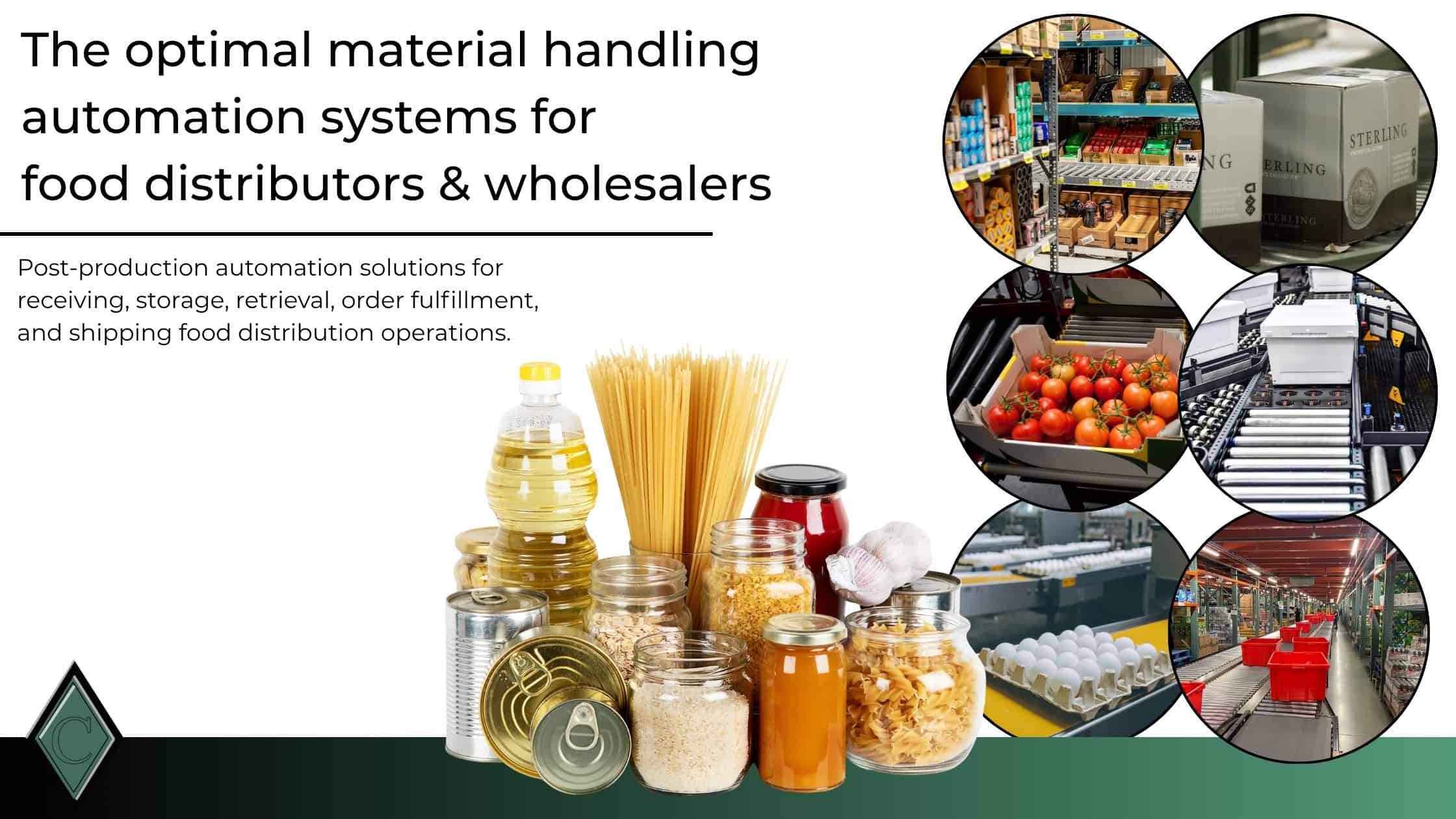
Ideal material handling systems for food distributors & wholesalers

food_distribution_material_handling_automation_blog_header

Fast food: the winning recipe for distribution automation

In the food product distribution world, precision, timing, and freshness are everything. The difference between an optimized operation and a costly bottleneck often comes down to how product flows through the facility.

Automation and properly engineered material-handling systems for this segment are no longer a suggestion – it’s the only way to continue growth.

Food distributors contend with a variety of challenges: tight margins, high SKU counts (including fresh, frozen, ambient, seasonal, private-label, and multiple product counts/sizes), multiple temperature zones, complex fulfillment patterns, labor constraints, and regulatory traceability and food-safety demands.

Century Conveyor integrates turnkey systems to address exactly these conditions.

The state of food distribution for 2026

Food processing and distribution face a series of unique challenges, and as global trade and economic headwinds impact every sub-category of the food supply chain – operators are searching for solutions to the top pressing issues.

  • Labor shortages and rising costs: Hiring, training, and retaining affordable and reliable labor is a significant challenge for the food industry. Proper operating and safety procedures are paramount for a warehouse associate to learn to avoid damages, errors, or unsanitary situations.
    • This can affect certain food segments more than others. Specific types of seasoning and spices cannot be grown commercially in the US.  Vanilla, for example, is primarily grown in Madagascar and requires controlled temperature ranges and hand-pollination techniques (Supply Chain Dive).
  • SKU proliferation & mixed-temperature flows: Food distributors are carrying more product lines now than ever. More SKUs – mixing ambient, chilled, frozen, varied sizes and counts, private-label, promotional items, and organic/specialized products.
  • Regulation, traceability & perishability: The need and ability to track lot codes, monitor temperature zones, ensure first-expiring first-out (FEFO) and detailed order documentation for each shipment.
  • Customer expectations: Restaurants, grocers and convenience chains expect faster turnaround, tighter route accuracy and highly customizable orders. Margins can be very thin for these segments, so the ability to shift to alternative ingredients/products for cost-effectiveness is a must for a distributor’s client.
  • Network optimization: Many distributors are consolidating towards a regional automated warehouse method. Instead of operating 2 or 3 sites that are mainly manual processing, a larger greenfield site designed automation-first can make up the difference operationally.
    • As an example: Walmart’s fresh food segment invested into an automated DC sized at over 700,000 sq ft, utilizing storage/retrieval and robotics to manage high-volume fresh product flows (Supply Chain Brain).

Automation equipment that food distributors are integrating

Here’s how Century orchestrates the optimal solution equipment, automation strategy, product handled, facility constraints, and real-world processing flows – all in an effort to achieve and surpass key performance indicators.

Case & Tote Conveyor

barnes and noble conveyor system 2

Use case: Cooler, freezer and ambient sections receiving bulk pallets, moving totes/cases across zones, staging for picking. Standard conveyor belting/rollers can be utilized for movement of ship-ready packages, but items in their shelf-ready packaging (or anything prior) must use stainless steel or washdown units.

Usage

  • Bulk inbound movement of cases/totes from dock into storage or picking zones.
  • Transfer across temperature zones (ambient → chilled → frozen) with appropriate conveyance.
  • Stainless steel and washdown may be required for products not already in a shipping-ready container (shrink-wrapped styrofoam tray meat products, produce bags or plastic containers, totes that hold raw product, etc.). These operations take place upstream before material-handling packaging/storage/shipping EOL processes.

Benefit

  • Mitigates labor-intensive manual movement in complex, regulated (and often proprietary) operations.
  • Minimizes product handling by reducing damage and exposure to temperature variation.
  • Seamlessly connects food processing operations to packaging/shipping processes.

Zero-Pressure Accumulation & Buffering Conveyors

fedway associates conveyor lines with product gallery image

Use case: Outbound staging for mixed-temperature loads, wave processing, picking and fulfillment operations. Zero-pressure and buffering conveyors focus on creating a space between items to minimize damage and 

Usage

  • Staggering cases/totes avoids product touching during conveyance.
  • Accumulation can be based on route or customer needs (mixed-SKU orders, palletizing, etc.).

Benefit

  • On-the-fly adjustment for seasonal spikes or demand fluctuations.
  • Reduces damage/case crush and jams.
  • Prepares sequence for outbound ops, improving dock consistency and load times.

Automated Sortation

automated_sortation_equipment_food_distribution

Use case: Consolidating mixed SKUs, directing cases by customer, route, temperature zone. Sorter units utilize different divert methods based on throughput and type of product handled. These can take the form of sliding shoes, belts, trays, chutes, sweeping arms, skatewheels, and more.

 Usage

  • High-speed diverting of individual cases or totes into correct outbound lanes (for ambient, chilled, frozen).
  • Enables sequencing for ease of load or pallet-building

 Benefit

  • Enhances order accuracy and trailer-build reliability.
  • Enables faster loading with reduced manual sorting.
  • Supports multi-temperature loads with minimal error.

Pick Modules & Goods-to-Person Systems

pick modules goods to person systems food distribution

Use case: High-mix picking environments (specialty items, private-label SKUs, promotional packs, various sizes) and omni-channel flows for distribution.

 Usage

  • Pick modules can come in the form of picking shelves, flow rack, cobots, robotic arm cells, or AS/RS.
  • Pickers select the order items from the manifest and outfeed cases/totes onto conveyors, robots, or GTP units.
  • GTP workstations enable order fulfillment, but most food distributors may use pallet building automation (such as a layer-building gantry unit) as items are bought in bulk rather than singular quantities.
  • Typical GTP operations in a large food distribution facility has associates stage items so pallets can be built.

 Benefit:

  • Improves picks per hour, especially for complex orders.
  • Lowers labor burden and error rates.
  • Scales consistently when SKU counts rise.
  • The level of automation deployed can be engineered to current processing rates. A smaller food distributor might not have the CPM to justify the cost of an AS/RS.

Palletizers & ASRS

robotic_palletizing_depalletizing_asrs_equipment_food_distribution

Use case: High-density storage (especially chilled/frozen), inbound bulk pallet breaking, outbound pallet build by route.

Usage

Benefit:

  • Dramatically increases storage density (critical when floor space is expensive).
  • Removes labor from the coldest, most injury-prone tasks.
  • Speeds build of outbound pallets in sequence for trailers.
    For example: A distributor extended the life of an existing DC by 10+ years using an AS/RS and layer-pick build solution. (MMH)

Temperature-Zone Transfer & Traceability Systems

temperature-zone_transfer_traceability_systems_food_distribution

Use case: Cold chain integrity, tracking lot codes, expiration priority enforcement.

Usage

  • Conveyors and systems designed for temperature-zones (ambient, refrigerated, frozen, minimal door-open time).
  • Seamless storage and retrieval that avoids gaps between zones.
  • WCS/WMS integrated scanning of lot/expiration info and real-time monitoring of product in zone.

Benefit:

  • Protects product quality and shelf life (critical for perishables).
  • Supports compliance, traceability and recall ability.
  • Enables more accurate planning and lowers waste.

Real-world results: What’s working for food distributors

food_distribution_equipment_solution_example
  • Conveyors, AS/RS, robotics and automated labeling are critical to seamlessly connect operations from reception and sorting of goods all the way through palletizing and staging for chilled product flows. The longer a product sits, the more cost it accrues.
  • The largest sources of inefficiency for food distributors typically take the form of damaged or past-expiration foods. Automation can store and process orders quickly to avoid perishable waste, while providing stable movement that avoids damage that could occur with manual touchpoints.
  • Automated storage and retrieval systems (AS/RS) proves highly effective for food distribution operations. Large distributors have thousands of product types that require fast, yet gentle processing. Mixed-SKU orders can further complicate picking and fulfillment – and if a facility running multiple dock door lines handling a variety of transport options (LTL, local box truck, couriers, etc), it’s easy to see why many are deploying AS/RS solutions.
  • On traceability/data and operational integration: Many food-distribution companies face legacy systems, disparate or unattributable data and lack of automation. Automation connects the physical to the digital by integrating reception, tracking, lot inventory management and outbound flow.

How can Century automate my food distribution operation?

  • Industry-specific expertise: Our systems are designed for food distribution realities – SKU mix, temperature zones, variable pack types, perishables.
  • End-to-end solution: Mechanical design, controls, integration, software and installation and service support under one roof. Selecting a turnkey A-to-Z integrator like Century can avoid an overly-complicated system implementation in which equipment doesn’t work in tandem, but in a silo (a Frankenstein, we like to call them).
  • Scalable & modular design: We build for your current throughput and product handled but engineer dynamic variances for SKU growth, product type & size, seasonal peaks or future lines.
  • ROI-driven: Given tight margins in distribution, our focus is on labor reduction, error minimization, space optimization, waste elimination and equipment selection that fits your budget and goals. Century focuses on building the most optimal system, not the most expensive.

 Contact Century

Ready to engineer your next-generation food distribution system?

If your food distribution or wholesale operation is wrestling with escalating SKU counts, labor shortages, trade and tariff headwinds or delivery-accuracy demands – Century Conveyor should be your next consideration

Our team of automation experts, engineers, and project managers will lend their extensive knowledge and skillset to help you and your organization in paving the way to a truly optimal automated food distribution facility.

Navigating New Tax Codes To Expense Automation Equipment

tax_code_expensing_automation_equipment_obbba_blog_header

Take advantage of new OBBBA tax codes to enable automation.

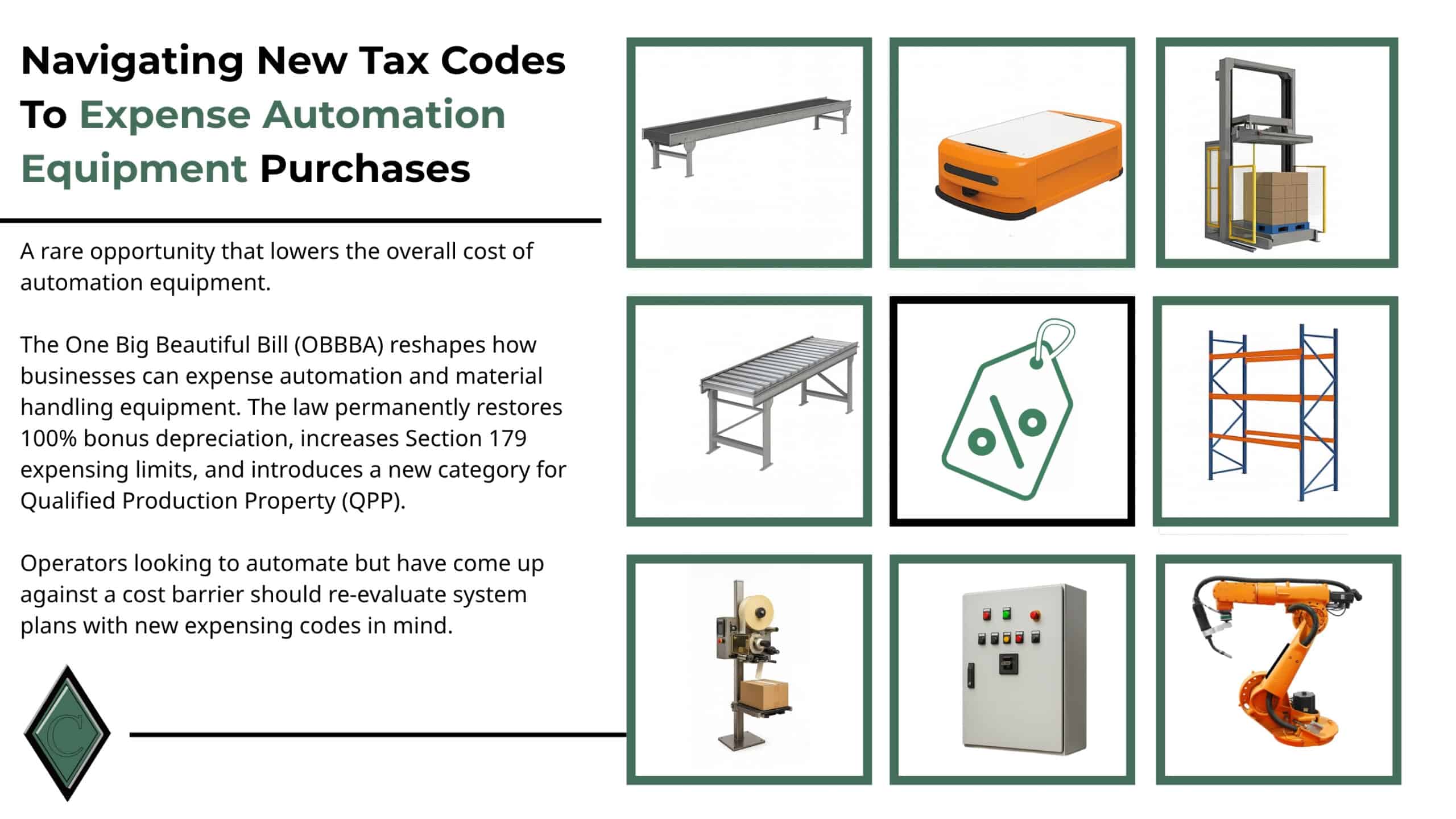
The One Big Beautiful Bill (OBBBA) reshapes how businesses can expense automation and material handling equipment. The law permanently restores 100% bonus depreciation, increases Section 179 expensing limits, and introduces a new category for Qualified Production Property (QPP -139 STAT. 198)

For warehouse operators, integrators, and distributors — this means you can immediately deduct most automation investments if the requirements are met.

Under Sections 179 and 168(k), eligible equipment is defined as:

  • Tangible personal property used in an active trade or business.
  • Qualified improvement property (non-structural interior upgrades).
  • Machinery and equipment with a useful life over one year.

These provisions apply to property acquired and placed in service after Dec 31, 2024 (for QPP, construction beginning after Jan 19, 2025).

What Equipment Is Eligible?

Equipment Type
Eligible for Deduction?
Overhead conveyors, belt conveyors, roller conveyors (bolted or mobile)
High probability of qualifying as sec. 179 or sec. 168(k) property (movable, not structural)
AGVs, AMRs, sorters, robotic arms
Typically qualifies as machinery, assuming they are not permanently integrated into walls/structure
Palletizers, pallet conveyors, depalletizers
Typically qualifies as machinery, assuming they are not permanently integrated into walls/structure
Picking/GTP systems, order fulfillment equipment
If considered interior improvements/nonstructural, may qualify under sec.179 or sec.168(k)
Mezzanine floor add-ons for sortation / conveyor access
If considered interior improvements/nonstructural, may qualify under sec.179 or sec.168(k)
Racking systems
If considered interior improvements/nonstructural, may qualify under sec.179 or sec.168(k). Ceiling supporting racking may not be eligible
Embedded track systems or conveyors within floors
May be considered structural – eligibility assessment would be required
Elevators and lifts built into building structure
Usually considered structural and excluded from eligibility
Electrical distribution, wiring, controls, compression, safety systems
Eligible to the extent they are deployed for qualifying machinery (and are not for the general facility structure)

Because the line between “machinery” and “structural” can be difficult to define, the utility of the equipment, method of integration, and whether the system can be moved or reconfigured will all factor into the evaluation

Qualified Production Property (QPP)

This new category allows 100% expensing for equipment directly tied to production activities, such as conveyors or MHE systems.

Key criteria:

  • Construction must begin Jan 19, 2025 – Jan 1, 2029
  • Must be placed in service by Jan 1, 2031
  • “Original use” starts with the taxpayer
  • Must elect this treatment on your tax return

QPP property used for non-production (like offices or parking) does not qualify.

3pl_blog_goods_to_person_gtp_description_image

Why Should I Act Now?

In short: the sooner you plan and execute qualifying automation or material handling investments, the more likely you can lock in favorable treatment under current law.

 Contact Century

How Century Can Help

Century specializes in engineering automation systems that meet budget and efficiency goals. We can evaluate your facility for qualifying improvements – the majority of equipment we integrate would be eligible for the new deductions. 

Our proposals include detailed equipment and materials documentation for deduction filing and if a project is started now (estimate a year on average for a system integration) the tax stipulations can be met quickly before any future rollbacks or adjustments are made.

If you are planning your next system, there hasn’t been a more favorable time to make the automation leap.

Ideal Automation for 3PL, Fulfillment & Distribution Centers

3pl_fulfillment_distribution_center_automation_equipment_page_hero_image

Automation equipment solutions that drastically optimize 3PL and FC/DC shipping operations.

Third-party logistics providers (3PLs), distribution centers, and shippers face a highly demanding operational environment: rapidly changing customer needs, SKU proliferation, same-day/next-day expectations, variable case dimensions/types, and cost pressures on labor, transport, and real estate. The need to deliver fast, accurate, and flexible fulfillment amid a large and complex inventory offer significant opportunities for MHE automation integration.

The current struggles of the 3PL, distribution & fulfillment industry

Challenge
Impact
Automation Solution
Labor constraints & turnover
High costs of recruiting, training, and managing staff
Automates repetitive or strenuous tasks, removes need for manual labor
SKU proliferation & variable order types
Increased complexity in picking, sorting, and staging
Dynamic routing, sortation, and handling solutions adapt to changing SKUs
Mixed-mode order fulfillment (parcel, case, pallet)
Manual movement and bottlenecks increase error rates
Integrated systems can route items across modes seamlessly
Congestion & bottlenecks at docks / staging areas
Delays, inefficiencies and processing confusion
Conveyor lines, AGVs/AMRs, sortation automation streamline flow and reduce waste
Inaccurate or delayed order processing
Customer dissatisfaction, returns, chargebacks
Integrated WCS/WMS, accurate order fullfillment/GTP, and proper scan/print/apply operations
Underused vertical space or a cluttered warehouse floor
Underutilized space resulting in slow ops or a need to spend on additional warehouse space
AS/RS, mezzanines, hanging conveyors, vertical shuttles and more help maximize cubic space

These challenges are especially acute when serving multiple clients with varying product types and processing needs. The ideal conveyor or automation system setup must be modular, scalable, and adaptable, so changes in order patterns or clients can be adjusted without significant disruption to daily ops.

Conveyor & Sortation Equipment

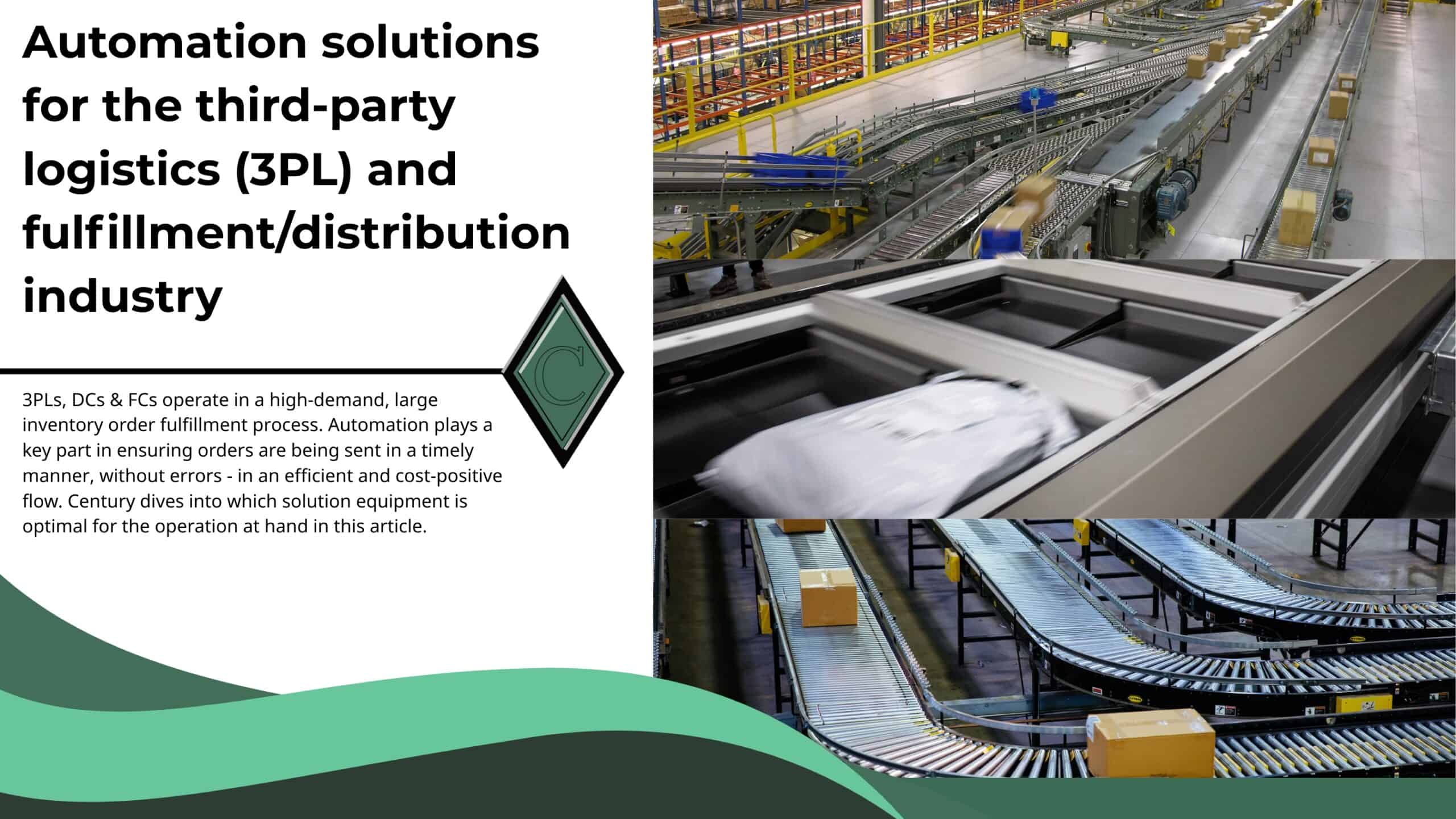
Conveyors remain fundamental in 3PL ops, moving items efficiently through pick, sort, and shipping zones. Sorters typically are the core of the automation system, rapidly scanning and directing parcels to outbound lanes. Many automation systems can be dropped into an existing system, or engineered into an overall conveyor network (as opposed to a standalone and disparate unit).

Zero-pressure accumulation, diverters, buffer zones, and scanning stations optimize routing and prevent jams. For small parcels, modular belt and roller systems work alongside tilt trays or cross-belt sorters to direct items to zones or outbound lanes.

Crossdocking is a common method of immediately receiving, distributing, processing, and then shipping incoming orders without storing inventory.

3pl_blog_conveyor_sortation_equipment_description_image

Pallet Handling Equipment

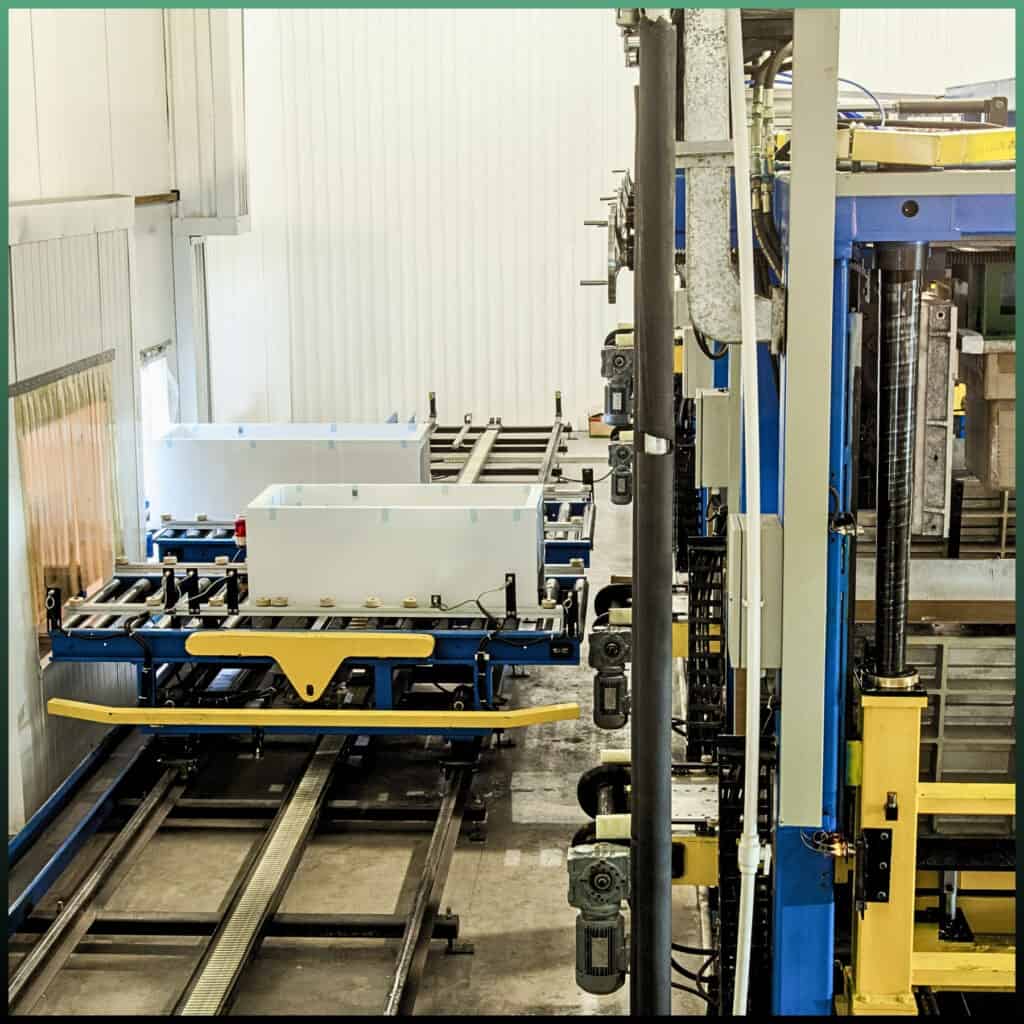
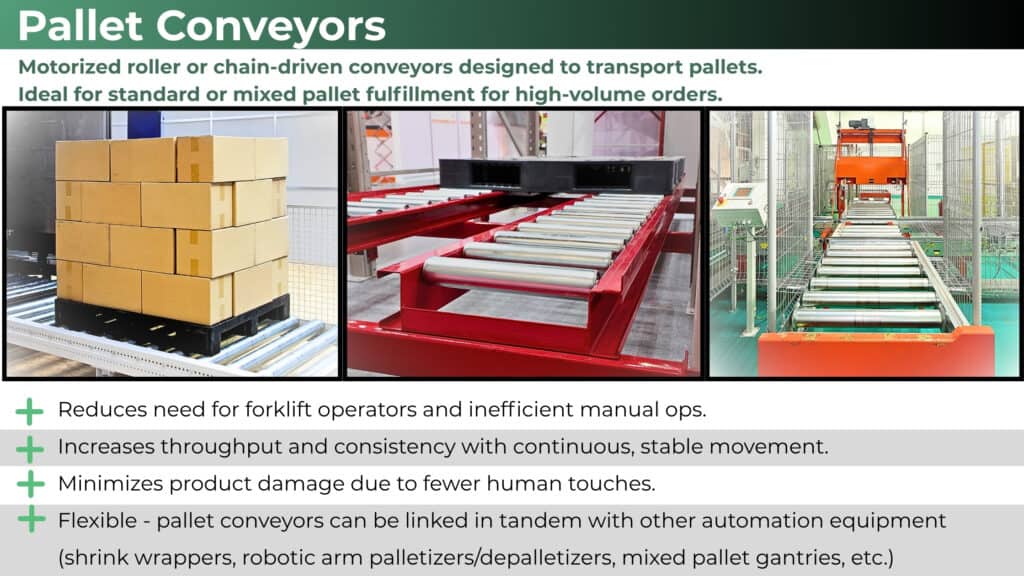
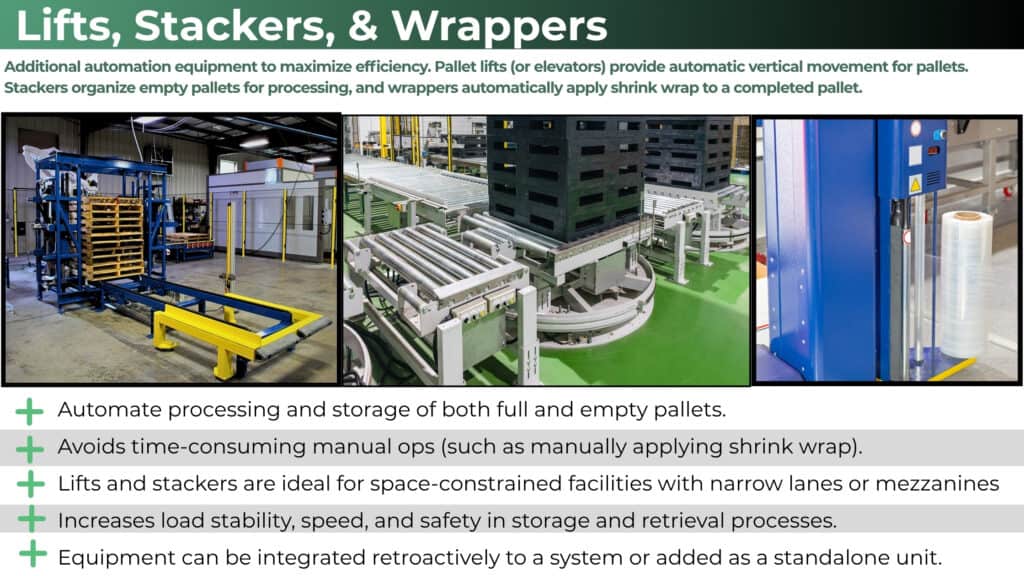
Pallet roller and chain conveyors, pallet transfer cars, turntables, and build/break/singulate automation keep pallets flowing between docks, staging, and storage, reducing reliance on forklifts and manual handling.

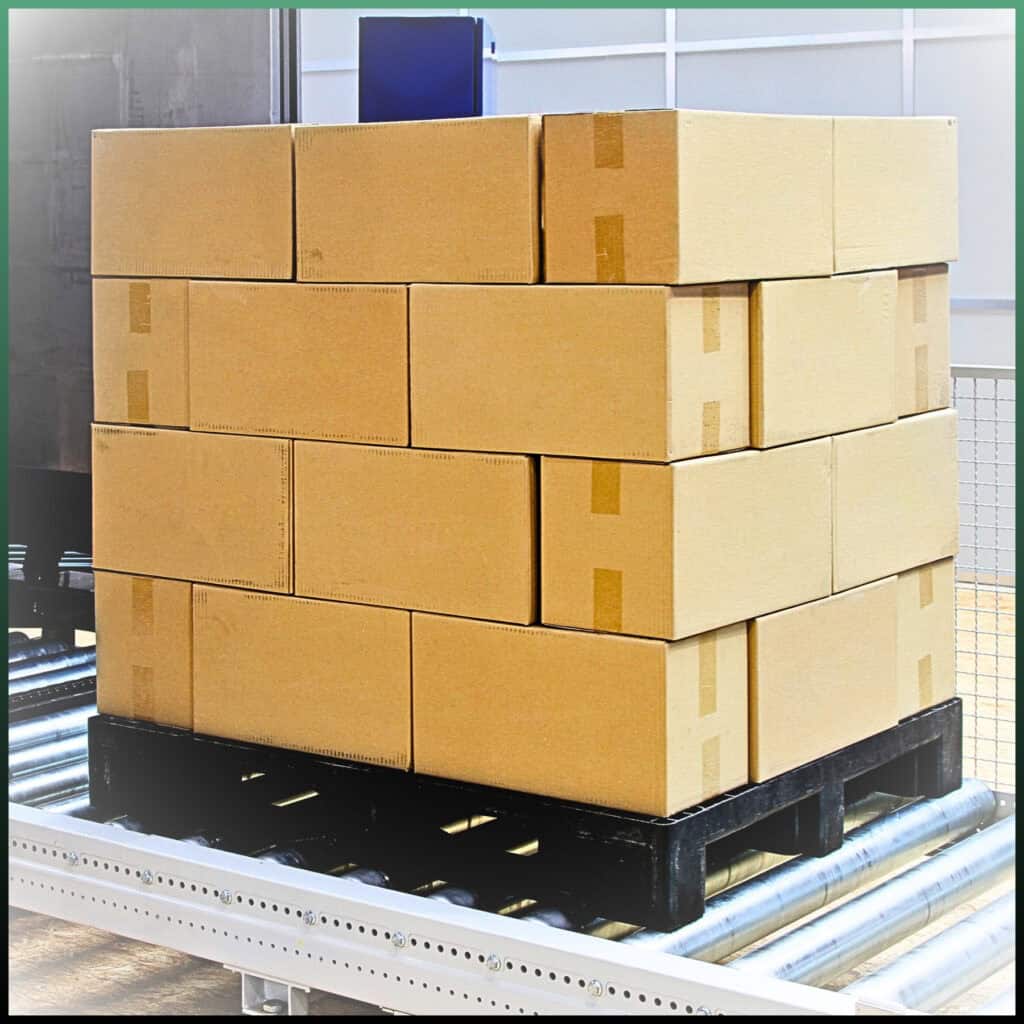
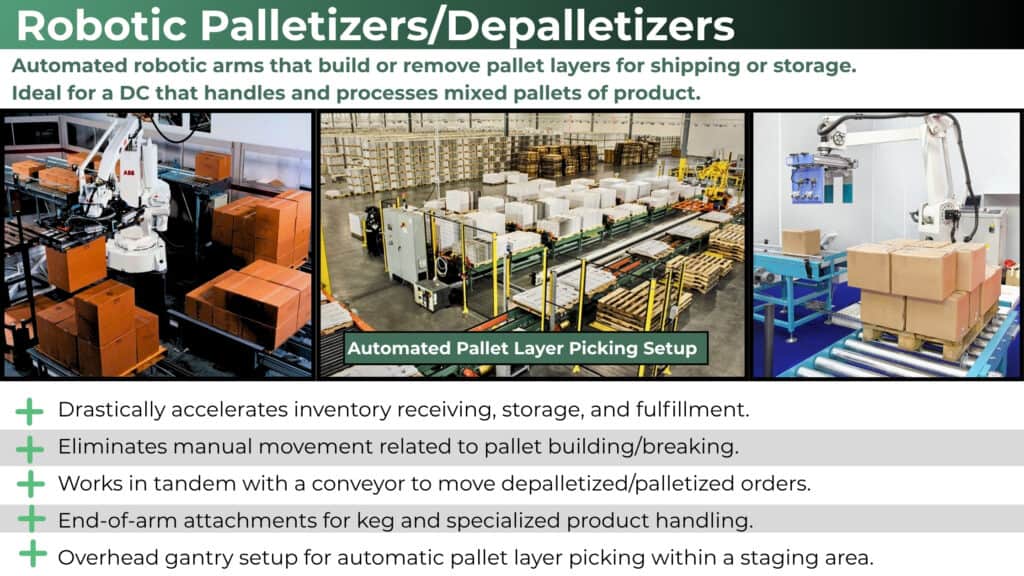
Robotic arms (with grippers or vacuum tooling) can handle cases or cartons for order building. For full or mixed pallets, robotic palletizers arrange layers based on order specs or destination. Depalletizers automate inbound pallet breakdown, inducting cases onto conveyor flows.

3pl_blog_pallet_handling_equipment_description_image

Autonomous Mobile Robots (AMRs) & AGVs

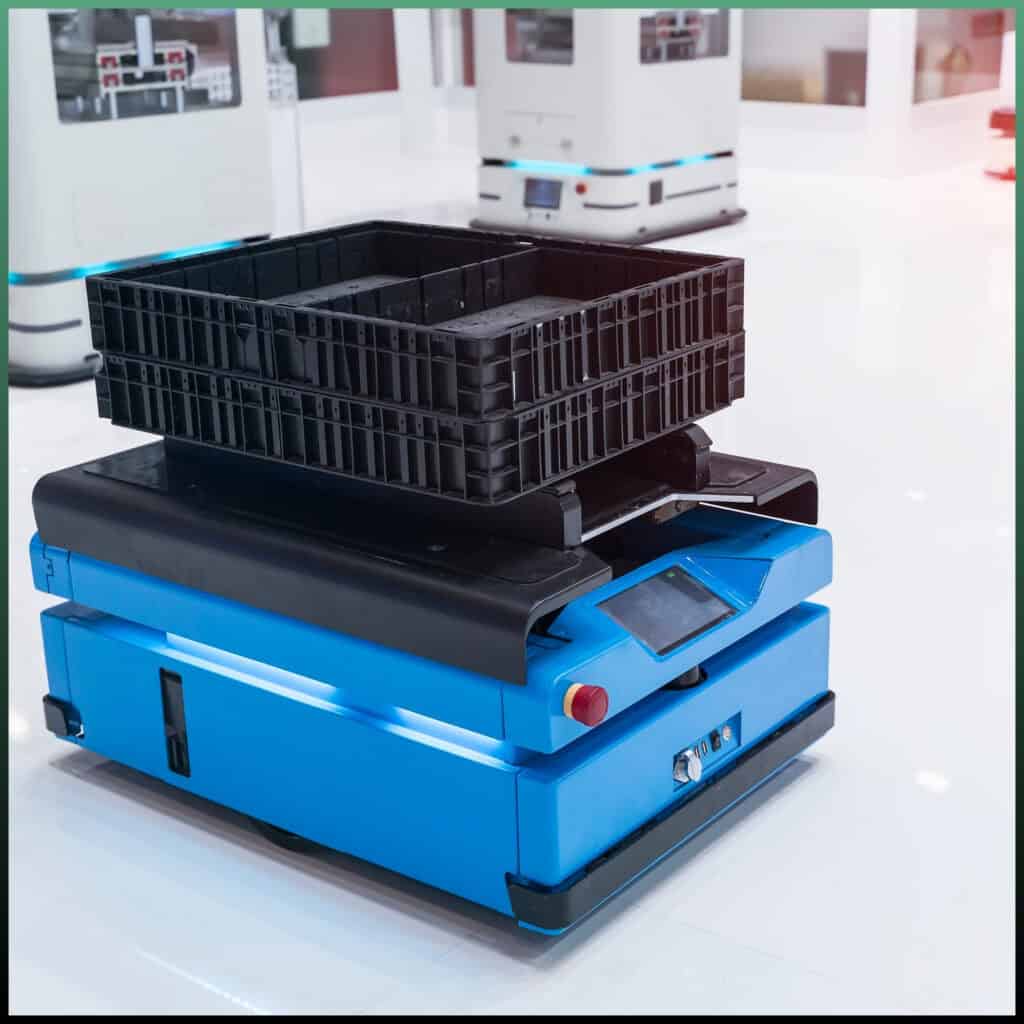
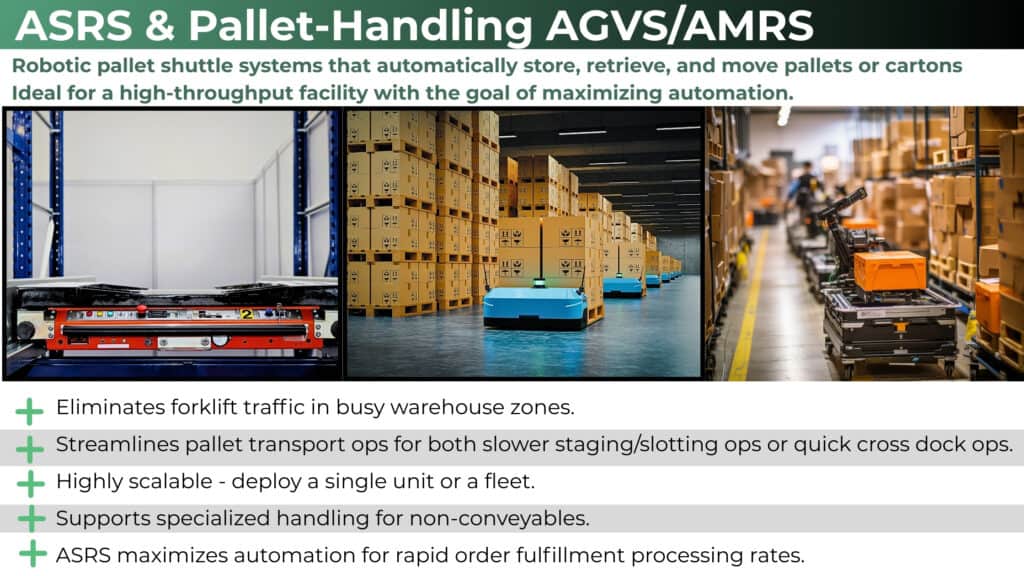
AMRs/AGVs transport totes, carts, or pallets autonomously among receiving, storage, pick zones, and shipping docks. They reduce labor burden and improve flow flexibility. They are ideal in facilities with complex routing, varied GTP operations, non-conveyables, or slow-moving slotting operations.

3pl_blog_agv_amr_robotics__description_image

Automated Storage Retrieval Systems (AS/RS)

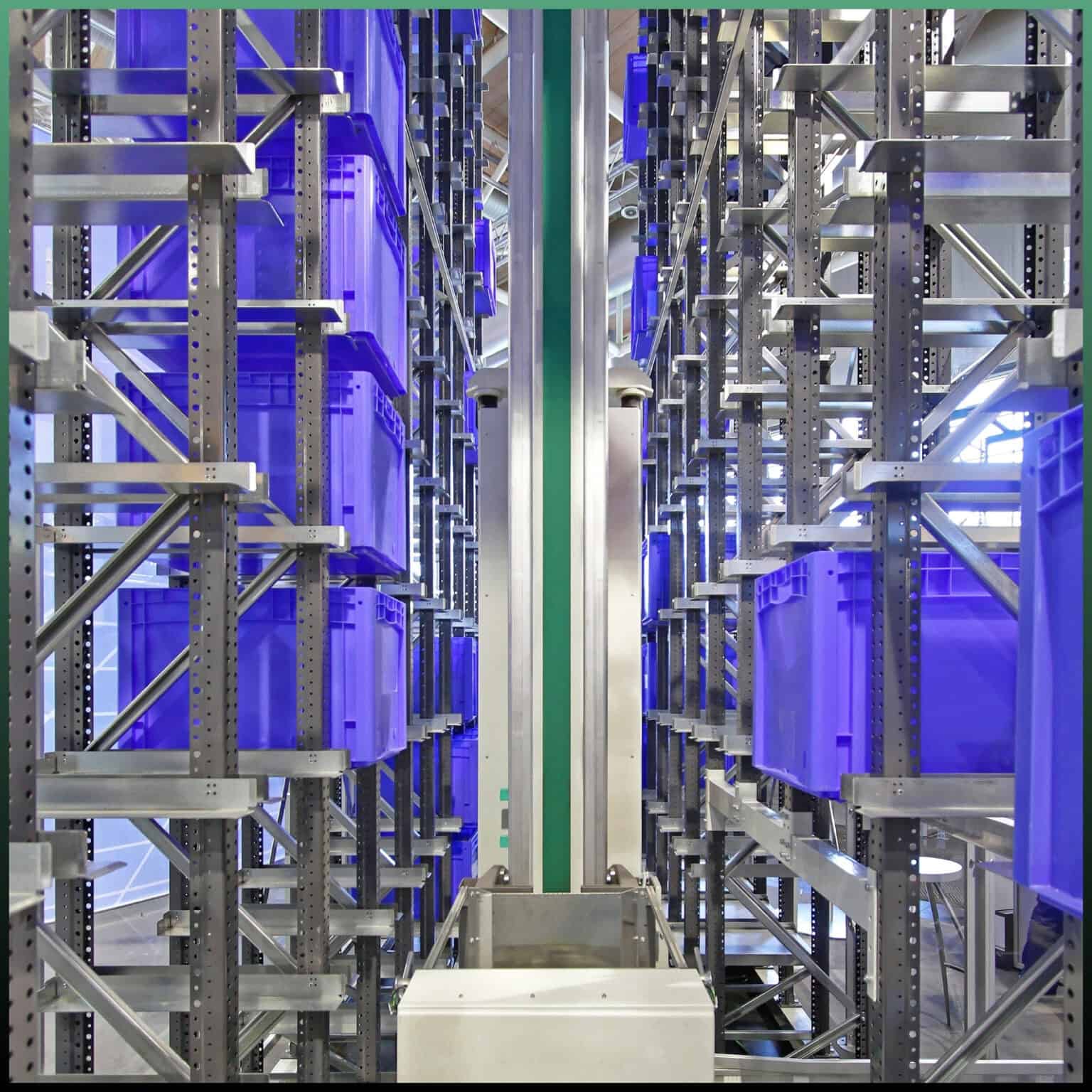
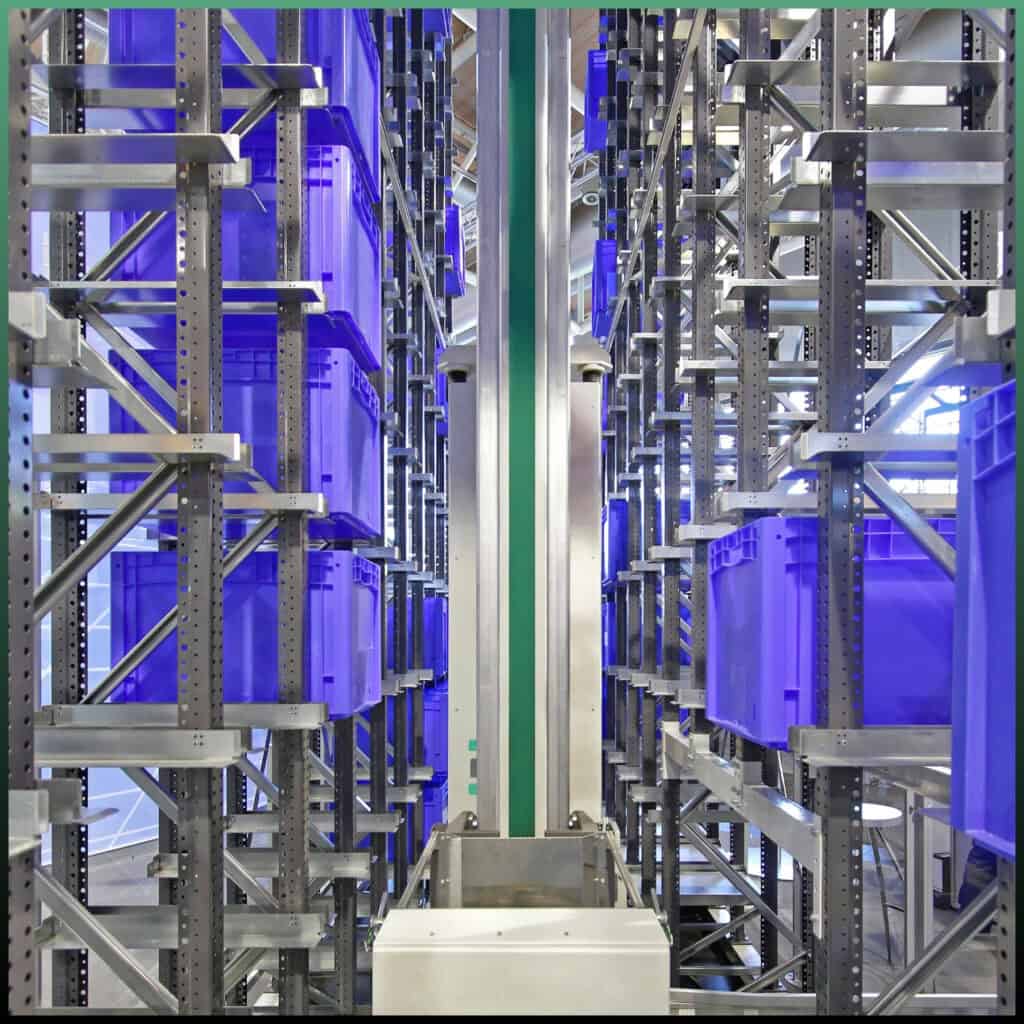
In high-density, high-throughput operations, AS/RS systems (shuttle, mini-load, unit-load) store and retrieve pallets or totes with minimal human intervention. Integration with conveyors allows seamless storage and retrieval operations to continue flowing with processing operations.

3pl_blog_Automated_Storage_Retrieval_Systems_asrs_description_image

Goods-to-Person (GTP) Systems

Goods-to-Person systems eliminate walking and searching by bringing stored inventory directly to the operator. Totes or trays are automatically retrieved and delivered to ergonomic pick stations via shuttles, lifts, or conveyors. This setup shortens pick paths, increases throughput, and improves accuracy. GTP systems are ideal for high-SKU 3PLs that manage diverse client inventories with rapid order turnaround.

3pl_blog_goods_to_person_gtp_description_image

Picking Systems

Picking automation improves speed and accuracy across order fulfillment processes. Technologies such as pick-to-light, voice-directed picking, and robotic piece-picking arms guide operators or perform picks autonomously. Integrated scanning and verification reduce errors, while conveyor or AMR-assisted movement ensures efficient replenishment. These systems help 3PLs handle fluctuating order volumes and SKU variety with consistency and reduced labor dependency.

3pl_blog_picking_systems_description_image

Order Fulfillment Automation

Order fulfillment systems coordinate picked goods into complete, labeled, and ready-to-ship orders. Automated or manned sortation, packing, and labeling stations streamline the final stages of processing. Integration with WMS/WCS software provides real-time visibility into order status, inventory, and carrier routing. For 3PLs, this ensures fast, accurate shipments across multiple clients, improving SLA performance and reducing handling time per order.

3pl_blog_order_fulfillment_automation_description_image

See a Century 3PL system in action

Making it All Come Together

Investing in automation is not a plug-and-play undertaking. Century completes significant planning to understand your facility, the product handled, goals and objectives, ROI, budget, demand forecasting, future installations, barriers or sources of waste, and many more factors before engineering begins.

Once those key insights are captured, Century engineers will design preliminary system layout drawings with automation equipment recommendations that best fit.

 Contact Century

Let’s Talk Automation for Your Distribution Operation

3PL, distribution centers and fulfillment centers are under constant pressure to adapt faster, deliver better, and expand profitability. Strategic automation can offer that competitive edge. Century engineers assemble the puzzle that is your automation system in a cost-minded yet efficiency-guided manner. Our goal is to provide the most optimal system for you, not sell the most expensive or overperforming one.

Contact us to explore how we can transform your operation with automation

Wine, Spirits, & Beer Distributor Automation Solutions

wine_spirts_beer_automation_equipment_blog_thumbnail
wine_spirts_beer_automation_equipment_page_hero_image

Cheers! The ideal automation solutions for distribution facilities that handle and process a variety of beverages.

Wine, spirits, and beer distributors operate in a uniquely complex environment where high product variety, strict handling requirements, and time-sensitive deliveries converge on a daily basis.

Distribution facilities must manage a varied and ever-changing inventory that includes fragile glass bottles, bulky kegs, and diverse packaging formats, each requiring specialized storage and handling. Seasonal demand spikes, SKU proliferation from new brands and product lines, and mixed-case or mixed-layer orders add further levels of operational difficulty.

At the same time, distributors face constant pressure to maintain accuracy, protect product integrity, and meet tight delivery schedules, all while contending with labor shortages, rising operational costs, and the need to maximize throughput in often space-constrained facilities.

The current struggles of the WS&B distribution industry

By integrating material handling automation into post-production and distribution operations, beverage companies can overcome these pain points – reducing labor dependency, protecting product integrity, efficiently managing growing SKU counts, automating complex order building, and streamlining storage and retrieval for faster, more reliable fulfillment.

Conveyor Equipment

wine_spirts_beer_automation_equipment_case_conveyor_description

Case conveyors are ideal for picking and sortation zones, transporting cartons of wine, beer, or spirits from depalletizing stations or replenishment zones through WMS-directed routes to fulfillment lanes. The layout would support both zone-based and batch picking strategies, with diverters, labelers, and barcode scanners integrated along the line for accurate routing and tracking.

Zero-pressure accumulation zones can be used to protect fragile products from impact, while elevation changes and spiral conveyors would connect case flow to mezzanine levels or sorting chutes for outbound staging, ensuring fast, controlled movement of individual cases throughout the order cycle.

wine_spirts_beer_automation_equipment_pallet_conveyor_description

Motorized pallet conveyors form the backbone of the facility’s heavy-load transport system, linking dock doors, staging areas, palletizers, mixed-layer pallet building terminals, wrappers, and storage lanes in a continuous loop.

Pallet conveyors are the typical entry choice for a beverage distributor looking to begin automating their facility, as the system can replace costly lift-truck operations while increasing constant movement, stability, and flexibility.

Designed with chain-driven or roller-driven modules depending on pallet weight and size, these conveyors can be engineered to support both uni-directional and bi-directional flow, enabling the smooth transfer of full or mixed-product pallets across the warehouse. Strategically placed transfer cars or turntables would allow for layout flexibility and efficient movement between perpendicular lines or multi-zone operations without requiring manual processes.

Pallet Handling Equipment

wine_spirts_beer_automation_equipment_palletizer_depalletizer_description

Robotic palletizers can be deployed near the end of the case conveyor picking lines to automatically build mixed or full-SKU pallets based on dynamic customer orders, using layer-forming tables and programmable patterns suited for cases of bottles or cans.

Depalletizers can be installed at the receiving side of the warehouse or near sortation zones, where they would unload inbound pallets and singulate cases directly onto conveyors for putaway or replenishment.

These robotic arms are usually outfitted with vacuum suction cups to handle a variety of case dimensions common in beverage distribution. End-of-arm tooling can expand it’s ability to handle single bottles (for packaging), kegs, or specialized non-conveyables (mini-kegs, bagged liquids, oversized promotional items, etc.)

For mixed-layer orders the ideal solution can be an automated layer picking system using flow rack, a central pallet conveyor line, and an overhead gantry palletizer. This setup automates highly-technical mixed SKU orders that are difficult to process manually without error.

wine_spirts_beer_automation_equipment_asrs_agv_amr_description

In a high-throughput wine, spirits, or beer distribution center, ASRS units would be engineered into the facility’s racking layout to enable automated vertical and horizontal storage of full pallet loads, typically segmented by product type, SKU velocity, or expiration date. An ASRS unit automatically retrieves and stores pallets, transporting the load on a large shuttle and inducting it to an outfeeding pallet conveyor source.

Integrated AGVs (automated guided vehicles) or AMRs (autonomous mobile robots) would be programmed to transport pallets between receiving, storage, picking, and outbound staging zones without requiring human-operated forklifts. These mobile units would follow predefined paths or dynamically update routes based on real-time WMS instructions, supporting both full pallet movement and partial pallet replenishment, and eliminating congestion in high-traffic dock or pick areas. This is ideal for slower moving operations

Ancillary Automation

wine_spirts_beer_automation_equipment_lift_stacker_wrapper_description

Pallet lifts would be installed to vertically move full or empty pallets between ground-level conveyors and upper-level storage or mezzanines, particularly in multi-tiered facilities where vertical space optimization is key. This eliminates the requirement for a forklift and removes the vertical retrieval limitations associated with running lift equipment. Pallets can be stacked much higher with upper-level equipment or structural racking and processing these orders can be achieved with lifts and proper conveyor routing.

Stackers would be located at inbound and outbound docks or near robotic palletizers to automatically handle empty pallets for reuse or staging, maintaining a consistent supply of pallets without manual stacking. Stackers can be integrated into a pallet conveyor line that can automatically induct itself when an empty pallet is called for processing.

Automatic stretch wrappers (or strappers in some situations) would be positioned near the end of the fulfillment line, integrated with pallet conveyors, to automatically rotate and wrap completed loads using stretch film. Certain wrapper units can be equipped with scales for outbound weight checks and WMS verification.

These systems can be deployed as stand-alone units or integrated within a line to maximize automation while decreasing reliance on manual labor.

See a Century wine and spirits distribution system in action

 Contact Century

Wine, spirit and beer distributors have a fair share of operational challenges within their industry. Coupled with the current shift to specialized drinks with less demand for traditional beverage offerings, operators are looking for solutions to remove barriers and costs while pivoting their inventory to what’s selling.

Century Conveyor can design, build, and provide post-launch support for an automation system engineered precisely to your needs. Our extensive experience in the WS&B distribution industry guides us in engineering solutions that directly solve your top issues while providing efficiency, performance, and ROI.