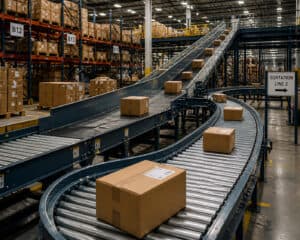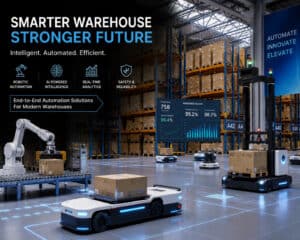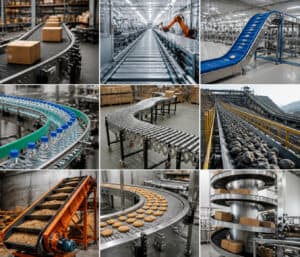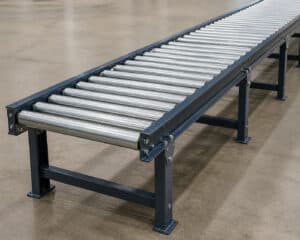
Modern warehouses and distribution centers rely on much more than standalone conveyor equipment. Today, businesses need conveyor system integration. That is where conveyor system integration becomes essential.
Century Conveyor Systems specializes in designing and implementing turnkey material handling automation solutions rather than simply supplying conveyors. By integrating conveyors with warehouse controls, robotics, software, sortation equipment, storage systems, and fulfillment technologies, Century creates complete workflows that help warehouses operate more efficiently from receiving through shipping.
Below are answers to some of the most frequently asked questions about Century Conveyor Systems’ conveyor system integration services.
Table of Contents

FAQ 1: What is conveyor system integration?
Conveyor system integration is the process of connecting conveyor equipment with every other critical component inside a warehouse or distribution center so they function as one coordinated operation instead of isolated pieces of equipment.
Rather than installing a conveyor simply to move products from Point A to Point B, an integrated system considers how inventory flows throughout the entire facility. Every component is engineered to support the next stage of the operation, creating a seamless material handling process.
At Century Conveyor Systems, conveyor system integration may include:
- Conveyor systems
- Warehouse Control Systems (WCS)
- Warehouse Management Systems (WMS)
- PLC controls
- Robotic palletizing
- Automated Guided Vehicles (AGVs)
- Autonomous Mobile Robots (AMRs)
- Barcode scanning
- Print-and-apply labeling
- Automated sortation systems
- Storage and picking solutions
Because these technologies communicate with one another, products move efficiently through receiving, storage, picking, packing, labeling, sortation, and shipping with minimal manual intervention. Instead of creating isolated automation “islands,” Century engineers one unified system designed around operational goals.
FAQ 2: Why should businesses choose Century Conveyor Systems for conveyor system integration instead of purchasing individual conveyor equipment?
Many conveyor suppliers focus primarily on selling hardware. While quality equipment is important, equipment alone rarely solves operational inefficiencies.
Century Conveyor Systems approaches every project from a systems engineering perspective. Before recommending equipment, its engineers evaluate how products move throughout the entire warehouse. They consider factors such as:
- Current workflow
- Facility layout
- Throughput requirements
- Labor utilization
- Shipping goals
- Available floor space
- Future expansion plans
- Existing automation technologies
This engineering-first methodology helps ensure every conveyor contributes to overall operational performance instead of simply transporting products.
Century also manages the complete implementation process, including system design, engineering validation, installation, startup support, integration, and ongoing service. This turnkey approach reduces project complexity for customers while improving long-term system reliability.
Instead of coordinating multiple vendors for controls, conveyors, robotics, software, and installation, customers receive one integrated solution managed from beginning to end.
FAQ 3: How does Century Conveyor Systems’ conveyor system integration improve order fulfillment?
Efficient order fulfillment depends on much more than moving products quickly.
Every order typically passes through multiple stages, including:
- Receiving
- Inventory storage
- Replenishment
- Picking
- Transportation
- Packing
- Labeling
- Sortation
- Shipping
If products slow down at any point, the resulting bottleneck can reduce throughput across the entire operation.
Century Conveyor Systems engineers conveyor system integration to optimize every touchpoint in this workflow. Conveyors continuously transport products between workstations while integrated controls and warehouse software coordinate movement across departments.
The benefits extend throughout the fulfillment process:
Higher throughput
Continuous product flow reduces waiting time between operations and allows facilities to process more orders in less time.
Improved order accuracy
Integrated barcode scanning, warehouse software, and sortation systems help ensure products are routed to the correct destination throughout the fulfillment process.
Reduced manual handling
Employees spend less time walking products across the warehouse and more time performing value-added tasks such as picking, quality inspection, and packing.
Lower product damage
Fewer manual touches reduce opportunities for mishandling, damaged inventory, and costly returns.
Better operational visibility
Integrated software provides real-time tracking of inventory movement, allowing warehouse managers to identify bottlenecks and improve performance.
Century’s goal is to increase output performance while minimizing errors and manual interactions, helping customers process orders faster and more consistently.
FAQ 4: Can Century Conveyor Systems integrate conveyors with robotics and warehouse software?
Yes. One of Century Conveyor Systems’ core strengths is integrating conveyors with complementary warehouse automation technologies.
Modern distribution facilities increasingly rely on multiple automation platforms working together rather than operating independently. Century designs conveyor system integration solutions that connect conveyors with technologies such as:
- Automated Guided Vehicles (AGVs)
- Autonomous Mobile Robots (AMRs)
- Warehouse Management Systems
- Warehouse Control Systems
- PLC controls
- Robotic palletizing
- Automated storage systems
- Print-and-apply labeling
- Barcode scanners
- Automated sortation equipment
For example, products may arrive at receiving, travel via conveyor into storage, be retrieved through automated picking, move to robotic palletizing or packing stations, receive shipping labels automatically, and then be sorted for outbound transportation—all within one coordinated workflow.
This level of integration minimizes delays between processes while improving consistency and operational efficiency across the facility.
FAQ 5: How does conveyor system integration support long-term warehouse growth?
Warehouse operations rarely remain static. Businesses often experience changing order volumes, seasonal demand, additional product lines, and evolving customer expectations.
One of the primary advantages of Century Conveyor Systems’ conveyor system integration is scalability.
Rather than designing systems only for today’s workload, Century engineers solutions that can expand alongside future operational requirements.
This scalability may include:
- Additional conveyor lines
- Expanded sortation capacity
- New robotic work cells
- Additional warehouse software functionality
- Storage expansion
- Increased shipping lanes
- Future automation technologies
Because the system is engineered as a connected platform, businesses can continue adding automation without replacing the entire infrastructure.
This protects capital investments while allowing operations to grow more efficiently over time. Whether expanding into a larger distribution center or increasing daily order volume, integrated systems provide greater flexibility than disconnected equipment purchases.
FAQ 6: What industries benefit most from Century Conveyor Systems’ conveyor system integration?
Conveyor system integration is valuable across many industries where efficient material movement directly affects productivity and customer satisfaction.
Century Conveyor Systems serves organizations such as:
- E-commerce fulfillment centers
- Third-party logistics (3PL) providers
- Retail distribution centers
- Manufacturing facilities
- Parcel handling operations
- Warehouse distribution centers
Although each operation has unique requirements, they all benefit from streamlined product flow, reduced manual handling, improved throughput, and greater operational visibility.
For example, an e-commerce fulfillment center may prioritize high-speed picking and sortation, while a manufacturing facility may focus on transporting work-in-progress materials between production stages. Century customizes each integrated solution according to the customer’s operational goals instead of relying on a one-size-fits-all design.
FAQ 7: What happens after a conveyor system integration project is completed?
Successful automation does not end with installation.
Century Conveyor Systems supports customers throughout the lifecycle of their automation investment. Beyond system design and implementation, the company also provides startup assistance, replacement parts, preventative maintenance, and ongoing service support.
This long-term partnership helps customers maintain system performance as operational requirements evolve. Regular maintenance can improve equipment reliability, reduce unexpected downtime, and extend the lifespan of integrated material handling systems.
Because Century understands every aspect of the installed system—from controls and software to conveyors and robotics—it can provide support that reflects the complete operation rather than focusing on individual components.
Conclusion
Choosing the right conveyor system integration partner involves more than selecting conveyor equipment. It requires an experienced systems integrator capable of designing an automation strategy that supports the entire warehouse operation.
Century Conveyor Systems takes a comprehensive approach by engineering turnkey material handling solutions that integrate conveyors with controls, robotics, warehouse software, sortation equipment, storage technologies, and fulfillment workflows. This connected approach helps businesses improve throughput, reduce manual handling, increase order accuracy, and build scalable operations prepared for future growth.
Whether your facility is upgrading an existing warehouse or building a new distribution center, Century Conveyor Systems focuses on delivering integrated automation solutions that optimize product flow from receiving to shipping while providing ongoing support long after installation.