Capex planning for material handling is the work of deciding which conveyor, sortation, and automation projects your operation will fund next year, and getting them approved while the budget is still open. For most companies, that window is Q4. The operators who are ready to build in Q1 didn’t wait until January to start. They made the call in the fall.
The goal is to move smart rather than fast. Right now your 2027 budget window is either open or closing soon, and while it’s open you can have a real conversation about what your operation needs. The alternative is a rushed decision in February, when everything is already behind.
Lead times on material handling systems are real. If you’re thinking about the next 12 to 18 months, the time to start that conversation is now.
At a glance
- 12–20 weeks: typical lead time on conveyor systems, before installation, controls, and commissioning.
- Q4 is the window: most capital budgets are still open, and projects approved now can be built before next year’s peak.
- Three questions drive good capex planning: where your equipment stands today, what’s worth investing in, and how to structure the project so the budget works.
- One call to start: a 30-minute planning conversation, not a sales pitch.
Table of Contents
Why Capex Planning for Material Handling Has to Start in Q4
Two clocks run at the same time on every material handling project. One is the budget cycle. The other is the build schedule. Good capex planning lines them up.
The budget clock. Most companies set next year’s capital budget in the fourth quarter. Projects that make it onto that list get funded. Projects that show up in February usually wait for a mid-year reforecast or the following year. If your conveyor system needs work in 2027, the request has to be in front of finance before the budget closes.
The build clock. Typical lead time on conveyor systems is 12 to 20 weeks. That’s just the equipment. Engineering, controls, installation, and testing come on top of it, and most of that work has to be scheduled around your operation, not the other way around. If you need a system running before your 2027 peak season, the order date is earlier than most teams assume.
When the two clocks are out of sync, you get the worst version of a capital project: approved late, ordered late, and installed under pressure during the busiest part of the year. Capex planning in Q4 is how you avoid that.
Step 1: Know Where Your Equipment Stands Today
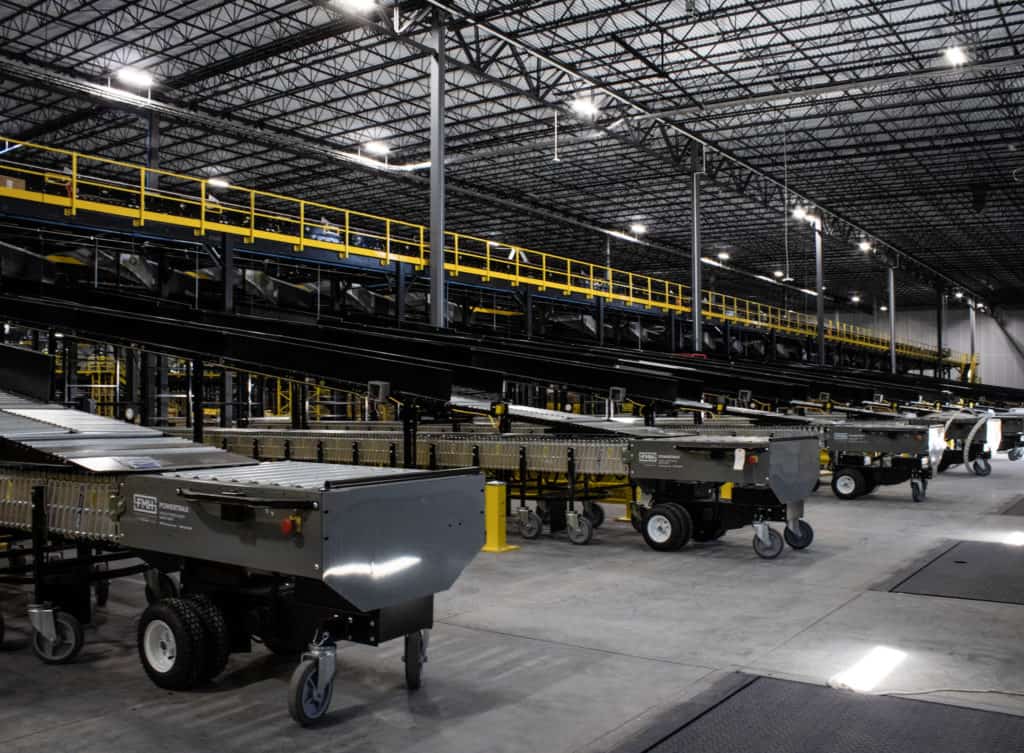
Every good capital plan starts with an honest picture of the system you already have. That means three things.
What’s aging. Conveyor frames last a long time. Controls, drives, sensors, and motors age faster, and some reach the point where replacement parts are hard to find or no longer made. Knowing which components are near the end of their supported life tells you where risk is building.
What’s at risk. Single points of failure matter more than average condition. One obsolete controller, one sorter with no spare parts on the shelf, or one merge that everything depends on can stop a building. Capex planning should rank risk by what happens to throughput if that piece goes down.
Where deferred maintenance costs more than investment. Every operation defers some maintenance. The question is whether you’re paying for it already, in emergency repairs, overtime, missed shipments, and parts bought at expedite prices. When the cost of keeping something running starts to approach the cost of fixing it properly, that item belongs in the capital plan.
If you don’t have a current baseline, a system audit is the fastest way to get one. Our article on what a 30-year-old conveyor system audit taught us walks through what an audit covers and what it typically finds, and planned vs. reactive maintenance explains how deferred work shows up in your costs.
Step 2: Decide What’s Actually Worth Investing In for 2027
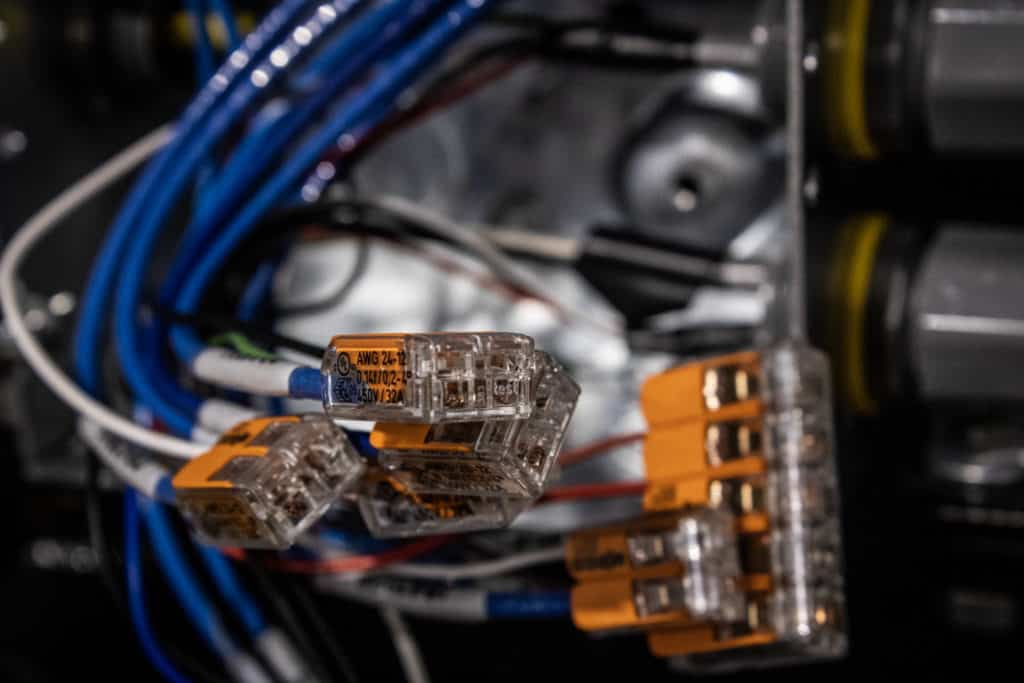
With the baseline in hand, the next part of capex planning is deciding where the money goes. Most material handling investments fall into a few groups:
- Throughput upgrades: removing a bottleneck at a merge, a sorter, a packing line, or the dock so the whole building can run faster.
- Automation: replacing manual touches with conveyor, print and apply, palletizing, or goods-to-person systems where labor is hardest to find or keep.
- Sortation: adding or upgrading sortation when order volume, destinations, or carrier mix has outgrown the current system.
- Conveyor replacement or retrofit: replacing worn sections, or modernizing controls, drives, and sensors on equipment that is still mechanically sound.
The useful question for each candidate is what moves the needle. A new sorter does nothing if the induction lines feeding it can’t keep up. A controls upgrade can buy years of life from conveyor you’d otherwise replace. Our article on how much life an existing conveyor system has left covers the retrofit-versus-replace decision in more depth.
Good capex planning also looks past next year. Ask how each project fits your three-year plan. If volume is growing, building in room to expand later is usually cheaper than ripping out and replacing a system that was sized too tightly.
Step 3: Structure the Project So the Budget Works
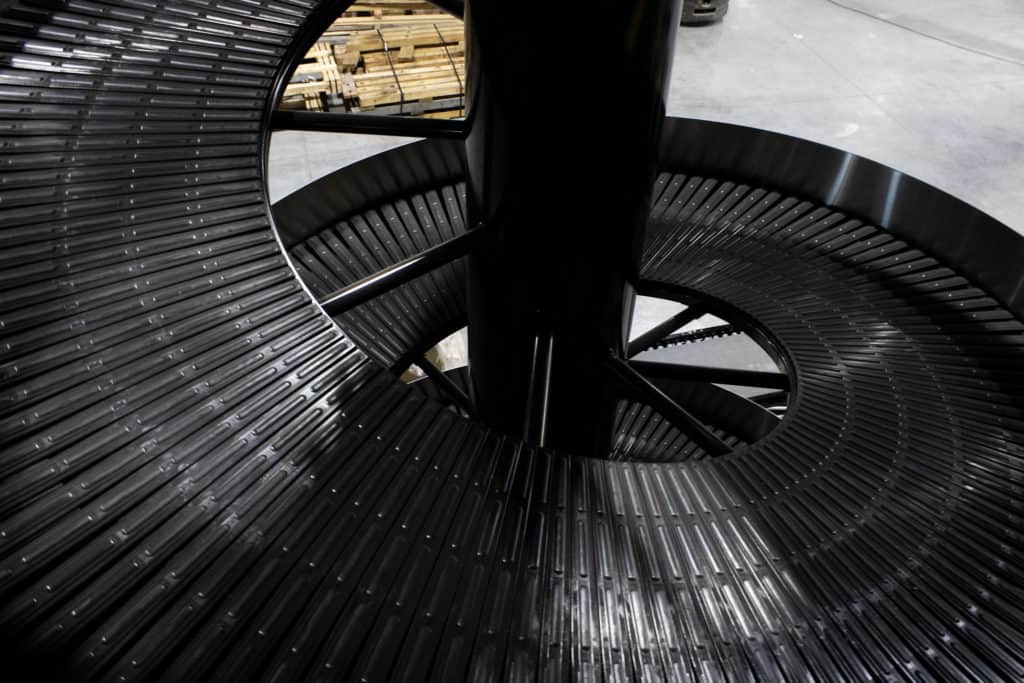
A project that makes operational sense can still fail at approval. The last step in capex planning is shaping the request so finance can say yes.
Phasing
Phasing is one of the most useful capex planning tools. Large projects don’t have to be funded or installed all at once; phasing breaks the work into stages that each deliver something on their own: replace the controls this year and the sorter next year, or automate one zone before the rest of the building. Phasing spreads cost across budget years, lowers risk, and keeps the operation running during the upgrade. Century’s project phasing approach is built around exactly this.
Financing options
Paying cash isn’t the only route. Depending on the company, leasing, equipment financing, or splitting the project across fiscal years may fit better. Tax treatment matters too. Our earlier article on new tax codes for expensing automation equipment explains how recent changes to Section 179 and bonus depreciation can apply to material handling equipment. That article and this one are general information, not tax advice; your tax advisor should confirm what applies to you.
Framing the capital expenditure request
Finance teams approve projects they can measure. A strong capital expenditure request answers the questions they’re going to ask anyway:
- What problem does this solve? Tie it to throughput, labor, accuracy, safety, or risk of downtime, with today’s numbers.
- What does it cost to do nothing? Emergency repairs, overtime, missed shipments, and the risk of an unplanned outage are real costs. Put them next to the project cost.
- What does it return, and when? Show the expected savings or added capacity and a payback period your finance team can check.
- What’s the risk if it slips? Lead times and peak-season schedules make delay expensive. Say so plainly.
- Can it be phased? Show the smallest first step that delivers value, so approval doesn’t depend on funding everything at once.
Capex planning done this way turns a wish list into a set of projects your finance team can rank, fund, and track.
A Simple Q4 Capex Planning Timeline
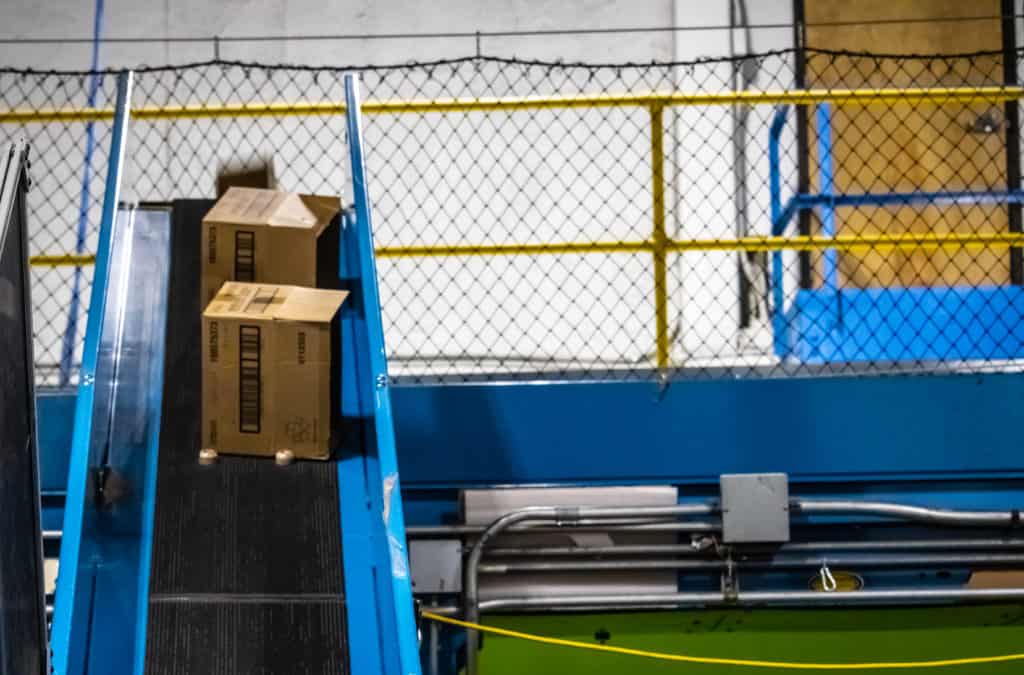
Every company’s budget calendar is different, but most capex planning for material handling follows the same order:
| When | What to do |
|---|---|
| Early Q4 | Get a current picture of your system: condition, risk, and deferred maintenance |
| Mid Q4 | Shortlist the projects that matter for 2027 and get rough budget numbers |
| Before budgets close | Submit capital expenditure requests with phasing and payback |
| Q1 | Finalize scope and place orders so equipment lead times work for you |
| Before peak | Install, test, and train with time to spare |
In capex planning, the order of the steps matters more than the exact dates. Each step depends on the one before it, and the lead time on equipment means the later steps can’t be compressed much.
When should capex planning for conveyor and automation projects start?
For most companies, in Q4 of the year before the project. That’s when capital budgets are usually set, and it leaves time to order equipment with 12 to 20 week lead times and install before the next peak season.
What is a typical lead time for a conveyor system?
Typical lead time on conveyor systems is 12 to 20 weeks for the equipment. Engineering, controls, installation, and testing add to that, and installation is usually scheduled around the operation’s slower periods.
What should a capital expenditure request for warehouse equipment include?
The problem the project solves, the cost of doing nothing, the expected return and payback period, the risk of delaying, and whether the project can be phased. Numbers from your own operation make the case stronger than general claims.
Should we repair, retrofit, or replace our conveyor system?
It depends on the condition of the mechanical equipment, the support life of the controls and drives, and whether the system still fits your volume. Many systems can be modernized with new controls and components instead of being replaced. A system audit gives you the facts to decide.
Can a large automation project be split across budget years?
Yes. Phasing breaks a project into stages that each deliver value on their own, so the cost can be spread across fiscal years and the operation keeps running during the upgrade.
Does a planning call commit us to anything?
No. A planning call is a 30-minute conversation about where your system stands and what’s worth doing. There’s no commitment and no pitch deck.
Start the Conversation Now
If 2027 is the year something needs to change in your operation, Q4 is when the conversation that starts it should happen.
Rick Maldonado, New Business Development Manager at Century Conveyor Systems, works with operations teams across the country to figure out what a capital investment actually needs to look like. That means what fits your building, your team, and your three-year plan, not just what fits a catalog. A planning call takes 30 minutes and covers the three steps above: where your equipment stands, what’s worth investing in, and how to structure it so the budget works.
Schedule a planning call with Rick, or contact Century to start your capex planning for 2027.