
An MDR conveyor uses 24V motorized rollers to drive each zone. Learn how zone cards work and how MDR compares with line shaft and live roller conveyor.
Continue reading
An MDR conveyor uses 24V motorized rollers to drive each zone. Learn how zone cards work and how MDR compares with line shaft and live roller conveyor.
Continue readingRobotic palletizing explained: how a cell works, cobot vs. industrial arm vs. gantry, mixed-SKU pallets, what drives the cost, and where it fits your line.
Continue reading
A palletizing robot can transform warehouse operations by automating one of the most repetitive and labor-intensive tasks in material handling: stacking products onto pallets for storage, transportation, and distribution. For distribution centers, fulfillment facilities, and shipping warehouses, robotic palletizing offers an opportunity to improve workflow consistency, support higher throughput, and reduce dependence on manual handling.
Century Conveyor Systems helps businesses implement integrated material handling and warehouse automation solutions, including robotic palletizing and depalletizing arms, robotic cells, shrink-wrapping equipment, and strapping systems. By approaching automation as part of a complete operational process, Century helps businesses consider how robotic equipment can work alongside conveyors, controls, and other warehouse systems.
Whether you are exploring your first palletizing robot or looking to modernize an existing distribution operation, understanding the technology, its benefits, and the implementation process is essential. The following frequently asked questions explain how Century Conveyor Systems’ robotic palletizing solutions can support more efficient warehouse operations.
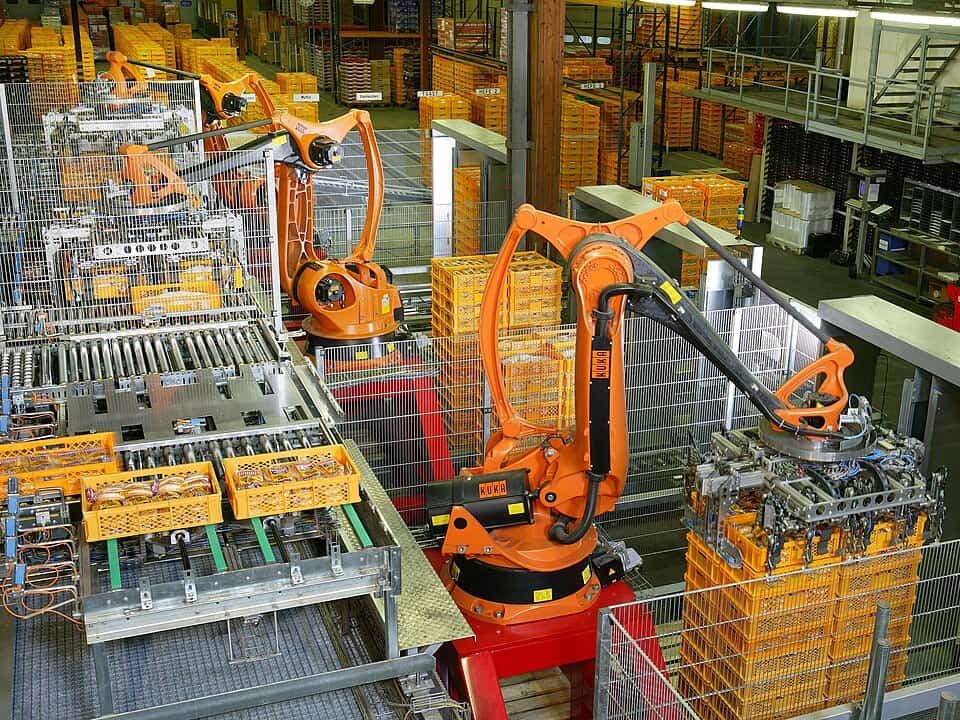
A palletizing robot is an automated machine designed to arrange products, cartons, cases, or other suitable loads onto a pallet according to a predetermined stacking pattern. Instead of requiring employees to repeatedly lift and position individual cases, the robot performs programmed movements to build pallet loads in a consistent and repeatable manner.
A typical robotic palletizing application involves several coordinated steps. Products arrive at the palletizing area through a conveyor or another material handling system. The equipment positions the products for handling, and the robotic arm uses an appropriate end-of-arm tool to grip, lift, and place each item. The robot follows a programmed sequence to build successive layers until the pallet reaches its intended configuration.
The complete process may also involve pallet positioning, load stabilization, stretch wrapping, strapping, and the transportation of completed pallets to a staging or shipping area.
Century Conveyor Systems identifies robotic palletizing and depalletizing arms, robotic cells, shrink-wrapping equipment, and strapping systems among its material handling solutions. This combination allows businesses to evaluate palletizing as part of a broader end-of-line automation strategy rather than as an isolated machine.
The precise configuration depends on the products being handled, the available floor space, required production rates, pallet specifications, and the way materials enter and leave the work area.
The most compelling reason to consider a palletizing robot is the opportunity to improve the consistency and efficiency of a process that can otherwise consume substantial labor and time. Palletizing frequently involves repetitive lifting, bending, reaching, and placing, especially in facilities processing large quantities of cases throughout the day.
Automating this task can help businesses redirect employees toward responsibilities that require judgment, troubleshooting, quality control, and coordination. It can also make pallet-building operations more predictable because the robot follows established movement sequences and stacking instructions.
Another important consideration is operational continuity. Manual palletizing performance can vary with fatigue, staffing levels, shift changes, and fluctuations in workload. A properly designed robotic system can provide more consistent cycle execution within its specified operating conditions.
For businesses experiencing growth, a palletizing robot may also help address end-of-line capacity constraints. Increasing upstream production or order processing capacity is less valuable if finished products accumulate faster than employees can prepare pallets for shipment. Automating palletizing can help align this final stage with the rest of the operation.
However, automation is not automatically the right choice for every warehouse. Product variety, case dimensions, demand patterns, capital costs, and the complexity of the installation all influence the decision. Century Conveyor Systems’ system integration approach provides a framework for evaluating these factors within the context of a facility’s wider material handling requirements.
Century Conveyor Systems lists several components within its robotic palletizing offering, including palletizing and depalletizing arms, robotic cells, shrink wrappers, and strappers. These technologies address different stages of pallet handling and can be considered according to a facility’s specific operational needs.
Robotic palletizing arms perform the core task of picking up products and placing them into a programmed pallet pattern. The selected robot and gripping equipment must match the product’s dimensions, weight, shape, and handling characteristics.
Robotic cells organize the robot and associated equipment into a defined work area. Depending on the application, a cell may incorporate product infeed, pallet presentation, safety equipment, controls, and supporting material handling components. The goal is to coordinate the equipment so that products can move through the palletizing process efficiently and safely.
Depalletizing arms perform the complementary task of removing products from pallets. This can be useful in operations where incoming palletized goods must be unloaded before entering a production, storage, or fulfillment process.
Shrink-wrapping and strapping equipment can support the stabilization of completed pallet loads. These processes help prepare pallets for downstream transportation and handling, although the appropriate method depends on product characteristics, packaging requirements, and shipping conditions.
The most suitable solution is not necessarily the most elaborate one. A business with a straightforward, high-volume case flow may have different requirements from a distribution center handling many product types and variable order configurations. Evaluating the actual workflow helps determine which components should be automated and how they should interact.

Warehousing services play an essential role in helping businesses store, move, process, and distribute products efficiently. As order volumes increase and customer expectations for fast delivery continue to rise, warehouses and distribution centers must find ways to improve productivity without unnecessarily increasing labor costs or operational complexity. Material handling automation, conveyor systems, robotic fulfillment, and integrated warehouse controls can all contribute to a more streamlined operation.
Century Conveyor Systems provides engineered material handling automation solutions for warehouses, distribution centers, and fulfillment facilities. Its capabilities include conveyor systems, robotic fulfillment, sortation equipment, storage modules, warehouse controls, and ongoing conveyor maintenance and service. Rather than treating warehouse equipment as isolated components, Century focuses on designing and implementing integrated systems that support the movement of goods throughout a facility.
The following frequently asked questions explain how Century Conveyor Systems approaches warehousing services, what its solutions can accomplish, and how businesses can determine which warehouse automation capabilities best fit their operational needs.

Warehousing services encompass the processes, equipment, and operational capabilities required to receive, store, handle, process, and distribute inventory. Depending on the facility, these activities may include unloading incoming shipments, transporting products between workstations, storing pallets or cartons, picking orders, packing packages, sorting shipments, and preparing goods for dispatch.
However, effective warehousing involves more than having sufficient storage space. The way products move through a building can influence productivity, labor requirements, order accuracy, and the facility’s ability to meet shipping deadlines. Bottlenecks in one area can affect every subsequent step, making it important to evaluate the warehouse as a connected operation.
Century Conveyor Systems supports these requirements through material handling automation and system integration. Its engineers design, validate, and implement turnkey systems intended to improve warehouse output and reduce labor costs through automation. The company also manages project activities ranging from initial system design to implementation, installation, startup support, and ongoing parts and service.
Its capabilities cover several essential warehouse functions:
These capabilities allow businesses to explore improvements across multiple stages of warehouse operations. The appropriate combination depends on existing infrastructure, product characteristics, order volume, available floor space, and long-term growth plans.
Order fulfillment is one of the most important areas to evaluate when improving warehouse performance. It involves the activities that take place after an order is received and before the shipment reaches the shipping dock. Depending on the business, this process may include retrieving inventory, picking individual items or complete cases, consolidating products, packing orders, sorting packages, and moving shipments to their appropriate destinations.
When these activities rely heavily on manual transportation, employees may spend substantial time moving products between workstations rather than performing tasks that require direct attention. Congested aisles, poorly coordinated handoffs, and inefficient packing or shipping arrangements can further slow the process.
Century Conveyor Systems engineers order fulfillment solutions designed to improve throughput, reduce errors that can contribute to returns or product damage, and process items faster with fewer manual interactions.
Conveyor automation is one way to achieve these objectives. A carefully designed conveyor network can establish consistent transportation routes between picking, packing, accumulation, sortation, and shipping areas. Instead of repeatedly moving cartons by hand, employees can focus on picking accuracy, inspection, packing quality, and exception handling.
The specific conveyor technology matters, too. Live roller and gravity conveyors can support packing lines, manual induction points, and end-of-line operations. Belt conveyors can provide stable movement for smaller packages, polybags, and irregularly sized cartons. Divert mechanisms can route packages from a primary line to different destinations, while accumulation conveyors can regulate spacing between products.
Robotic solutions offer another option. Automated guided vehicles (AGVs) can transport pallets, cartons, and other loads along established routes. Autonomous mobile robots (AMRs) can navigate more flexibly through a facility, including in applications where mobile robots bring totes or products to order fulfillment personnel.
By connecting these technologies appropriately, a warehouse can reduce unnecessary handling, improve the consistency of product movement, and make better use of its available workforce.
The goal is not simply to move more packages. It is to create a coordinated fulfillment process that supports reliable shipping performance while accommodating the actual requirements of the business.
Different products and operational environments require different transportation methods. A conveyor that works well for standard shipping cartons may not be suitable for small polybags, fragile merchandise, heavy pallets, or oversized loads. Choosing the right configuration requires considering product dimensions, weight, stability, throughput requirements, and the layout of the facility.
Century Conveyor Systems offers several conveyor technologies that address different material handling applications.
Live roller and gravity conveyors are useful for packing lines, manual induction areas, divert points, and end-of-line operations. Powered live roller conveyors use motors to move products, while gravity conveyors rely on gravity to advance items along an appropriately configured path. These systems can support operations that require practical integration between manual workstations and automated transportation.
Belt conveyors provide a continuous conveying surface that can improve stability when handling smaller parcels, polybags, and cartons with irregular dimensions. Depending on the application, belt conveyors can also support inclines, declines, and controlled gaps between products. This makes them useful when product stability or reliable transitions between conveyor sections are important.
Modular belt conveyors use connected belt segments rather than a single conventional belt. Their construction can make individual sections easier to remove, clean, or modify. Depending on the belt design, these systems may be appropriate for specialized handling applications that require additional traction, close transfers, or easier maintenance.
Conveyor diverts route cartons from one conveyor path to another. These mechanisms can direct packages toward packing stations, shipping lanes, or other destinations without requiring a separate large-scale sortation system for every application. Different divert technologies can accommodate different product characteristics and routing requirements.
Zero-pressure and minimum-pressure accumulation conveyors help regulate the spacing between products. Zero-pressure systems are designed to prevent products from touching, while minimum-pressure systems allow products to approach one another with limited contact. Such arrangements can be valuable when package damage, product separation, or controlled accumulation is a concern.
Extendable conveyors can be extended into a trailer or adjusted to provide a temporary loading or unloading path. Depending on the configuration, these systems can be gravity-powered or motorized. They can help reduce the distance employees must carry or manually move packages during truck loading and unloading.
Spiral conveyors transport products between different elevations using a compact, curved conveying path. They can help facilities connect ground-level operations with elevated platforms or other levels without relying exclusively on multiple inclined conveyor sections.
Pallet conveyors accommodate heavier loads and palletized materials. Depending on the weight and handling requirements, options include chain-driven systems, gravity pallet conveyors, and powered live roller conveyors.
The right choice depends on how products move through the facility and what the business needs to accomplish. A warehouse may use several conveyor types together, with each component serving a particular purpose within the broader material handling system.
Yes. Warehouse automation planning does not necessarily require removing all existing equipment and rebuilding the facility from scratch. In many cases, businesses can improve performance by modernizing specific areas, adding new automation components, or integrating additional capabilities with their current infrastructure.
Century Conveyor Systems offers retrofit and modernization solutions alongside system design, controls engineering, installation, and maintenance services. These capabilities provide a starting point for evaluating how existing equipment can fit into an improved warehouse operation.
The first step is identifying the problems that need to be solved. For example, a distribution center might have adequate conveyor capacity but struggle with manual sorting. Another facility might process orders efficiently until packages reach the shipping area, where loading delays create congestion. A warehouse with increasing order volumes might need additional picking capacity but have limited room for expanding its building.
Each situation calls for a different approach.
A facility experiencing shipping congestion could benefit from improved accumulation, more effective package routing, or extendable conveyors. A warehouse with excessive travel between storage and packing stations might investigate goods-to-person processes or mobile robotics. An operation struggling with inconsistent equipment coordination might need improved controls and system integration.
Modernization also requires attention to compatibility. Existing conveyors, sensors, control panels, software, and mechanical equipment must work together safely and reliably. Before introducing new technology, businesses should assess equipment condition, available space, electrical and controls requirements, and the expected impact on daily operations.
A phased implementation can be worth considering when a complete shutdown would disrupt fulfillment commitments. Project phasing allows a business to evaluate how improvements might be introduced in manageable stages, although the appropriate schedule depends on the facility and the scope of work.
The key is to base automation decisions on measurable operational needs rather than purchasing equipment simply because it is available. A targeted improvement may deliver more practical value than an extensive installation that fails to address the facility’s main bottleneck.
Robotic fulfillment can help warehouses move products more efficiently while reducing the amount of repetitive transportation performed manually. These systems are particularly relevant when employees spend significant time moving totes, cartons, pallets, or carts between storage areas, picking stations, packing lines, and shipping operations.
Century Conveyor Systems supports robotic fulfillment applications using automated guided vehicles and autonomous mobile robots. Although both technologies can transport materials, they differ in how they navigate and the kinds of workflows they typically support.
Automated guided vehicles (AGVs) follow established navigation arrangements. Depending on the system, these may use technologies such as magnetic tape, QR codes, inductive wires, or laser-based guidance. AGVs can be appropriate when a warehouse has recurring transportation tasks along relatively predictable routes. They can move pallets, cartons, and certain non-conveyable items, and may be configured with attachments suited to the loads being handled.
Autonomous mobile robots (AMRs) use sensors and programming to navigate through a facility without relying on the same fixed-route approach as many AGV installations. Their flexibility can be useful in environments where transportation needs vary or where mobile robots must navigate among different work areas. In goods-to-person applications, AMRs can bring totes or inventory to fulfillment employees or transfer items toward packing operations.
The potential advantages include reduced repetitive travel, more flexible material movement, and opportunities to scale transportation capacity as requirements change. Mobile robots can also complement conveyor systems rather than replace them. For example, a conveyor network might transport cartons through a fixed processing area while robots handle movements between storage locations and workstations.
Successful implementation still requires planning. Warehouse traffic, load characteristics, charging requirements, pedestrian interaction, software integration, and exception handling all influence how effectively robots perform. Businesses should also consider whether their order patterns and transportation routes justify the investment.
Robotic fulfillment is therefore not a universal solution for every warehouse. Its value depends on selecting the appropriate technology for the tasks involved and integrating it into a coherent operational workflow.
Product damage and order errors create costs beyond the immediate handling problem. A damaged package may require replacement inventory, additional labor, customer service intervention, and return processing. An incorrectly sorted or packed shipment can lead to similar expenses while affecting customer satisfaction and delivery performance.
Warehouse automation can help reduce these risks by creating more consistent handling processes and controlling how products move between operational stages.
Century Conveyor Systems identifies reducing errors that cause returns or item breakage as an objective of its order fulfillment solutions. Several equipment choices can contribute to this goal when appropriately specified.
For products that require stable transportation, belt conveyors can offer a more consistent conveying surface than certain roller arrangements. This may be useful for small packages or irregular cartons that could otherwise move unpredictably during transportation.
Controlled accumulation can provide another layer of protection. Zero-pressure accumulation is designed to prevent packages from touching, which can be valuable when contact between products creates a risk of damage. Minimum-pressure accumulation provides a different operating approach for applications where limited contact is acceptable.
Divert systems also help establish more consistent package routing. Rather than relying entirely on manual movement between destinations, appropriately configured diverts can direct products toward designated processing lines. This can simplify material flow, although routing accuracy still depends on the broader identification, controls, and operational processes involved.
Automation can also reduce unnecessary manual handling. Every additional transfer creates another opportunity for a package to be dropped, mishandled, or sent to the wrong location. Reducing avoidable transfers can therefore support better product protection and process consistency.
However, automated equipment alone cannot guarantee error-free fulfillment. Accurate order data, appropriate packaging, effective inventory processes, equipment maintenance, and employee training remain important. Businesses should evaluate error rates and damage incidents before and after implementation to determine whether a particular solution is delivering the intended improvement.
Yes. Effective warehousing requires coordination between physical storage, product movement, and the systems that manage equipment behavior. Storage capacity alone does not guarantee efficient operations if employees cannot retrieve inventory easily or if products encounter bottlenecks on their way to packing and shipping.
Century Conveyor Systems offers storage-related solutions that include shelving and racking, ergonomic picking and packing systems, automated storage and retrieval systems, mezzanines, platforms, and other warehouse structures. These options can help businesses evaluate how to use their available space and organize their inventory-handling processes.
For instance, a facility with limited floor space might consider a mezzanine or elevated platform to create additional usable operational levels, subject to building conditions and design requirements. A warehouse experiencing inefficient picking workflows could assess storage configurations that reduce unnecessary movement or place frequently accessed items in more practical locations.
Warehouse controls are another important component of warehousing services. Century’s capabilities include control panel design and fabrication, programmable logic controls, and warehouse control system solutions. These technologies can help coordinate equipment activity and support communication between different parts of an automated material handling system.
A warehouse management system (WMS) and a warehouse control system (WCS) serve related but distinct purposes. A WMS generally supports inventory and warehouse workflow management, while a WCS focuses more directly on coordinating automated material handling equipment. Their responsibilities and integration requirements vary by implementation.
When storage infrastructure, conveyors, robotics, and controls are designed with the same operational goals in mind, businesses can reduce the risk of investing in disconnected systems that do not work well together.
The objective is to create a warehouse environment in which inventory can be stored appropriately, retrieved efficiently, and transported through the facility with fewer unnecessary interruptions.
Warehouse automation is a long-term operational investment, so equipment performance after installation matters just as much as the initial system design. Conveyors, motors, sensors, controls, and mechanical components require appropriate maintenance to help sustain reliable performance and identify developing problems before they cause significant disruption.
Century Conveyor Systems offers conveyor preventative maintenance, repair services, replacement parts, and installation support. Its broader project capabilities also include startup support and ongoing service for implemented systems.
Preventative maintenance helps businesses establish a planned approach to equipment care rather than relying exclusively on repairs after a failure occurs. Depending on the equipment, a maintenance program may include inspections, checks of moving components, assessment of belt condition and alignment, sensor testing, and verification of relevant mechanical and electrical functions.
Replacement parts availability is another consideration. If a critical component fails, delays in sourcing the correct part can extend downtime. Businesses should understand which components are essential to their operation, what spare parts they should keep available, and how replacement equipment can be obtained.
Support planning should also reflect the operational importance of each system. A conveyor serving a noncritical process may tolerate a different response arrangement from equipment that supports the primary shipping line. Understanding these distinctions helps facilities prioritize maintenance resources and develop realistic contingency plans.
When evaluating warehousing services, businesses should ask not only how a system will improve performance but also how it will be supported throughout its operating life. Clear maintenance responsibilities, suitable spare parts planning, employee training, and access to qualified technical assistance can all contribute to a more sustainable automation investment.
Choosing an automation partner begins with defining the operational challenge. Businesses should identify where delays occur, which processes consume the most labor, what types of products move through the facility, and how future order volumes may affect capacity requirements.
Century Conveyor Systems is a potential partner for organizations evaluating conveyor automation, robotic fulfillment, warehouse controls, storage modules, sortation, and related material handling improvements. Its integrated project approach spans system design, validation, implementation, installation, startup support, and ongoing parts and service.
Before beginning a project, businesses should prepare information about their current operation. Useful details include facility dimensions, existing equipment, product sizes and weights, average and peak order volumes, picking methods, shipping schedules, current bottlenecks, and planned growth.
It is also important to define success in measurable terms. Depending on the project, relevant indicators might include packages processed per hour, labor hours per order, order accuracy, product damage rates, equipment uptime, or the time required to move products from picking to shipping.
These measures help establish a baseline against which proposed improvements can be evaluated. They also make it easier to compare different technical approaches and determine whether an investment aligns with the company’s priorities.
Businesses should discuss project phasing, integration with existing equipment, maintenance expectations, and the practical effects of installation on day-to-day operations. The best solution is one that addresses actual constraints while remaining appropriate for the facility’s space, workforce, product mix, and future needs.
To begin evaluating a project, organizations can contact Century Conveyor Systems through its website and provide information about their facility, current challenges, and desired outcomes. That information can help establish the next steps toward assessing a suitable material handling automation solution.
Warehousing services encompass much more than storage. Efficient operations depend on how products move through a facility, how employees interact with equipment, how inventory is retrieved, and how consistently orders progress toward shipment.
Century Conveyor Systems offers a range of material handling automation capabilities designed to address these interconnected requirements. Conveyor systems can streamline transportation, sortation equipment can improve package routing, robotic fulfillment can reduce repetitive movement, and storage and controls solutions can support a more coordinated warehouse environment. Maintenance and service capabilities also help businesses plan for equipment reliability beyond installation.
The most effective approach begins with understanding the facility’s specific challenges. Some warehousing services may need a targeted conveyor improvement, while others may benefit from integrated fulfillment automation or a phased modernization project. Evaluating operational data, product-handling requirements, existing infrastructure, and long-term business goals can help determine which investments make the most sense.
For businesses looking to improve warehouse throughput, manage labor demands, and build a more scalable distribution operation, exploring Century Conveyor Systems’ warehousing services and order fulfillment solutions is a practical starting point.

It’s 2 AM on a Saturday. Peak week starts Monday.
A sorter goes down. Not the entire system — just one zone, but it feeds your outbound shipping lanes. Your on-call technician is 90 minutes out. The part you need is sitting in a warehouse in another state. By the time the system comes back up, six hours have passed, two outbound trucks are gone, and your labor cost has doubled.
Here’s what makes it worse: this wasn’t a surprise. The wear pattern on that sorter had been building for months. A scheduled preventive maintenance visit would have caught it. Nobody scheduled one.
With unplanned downtime averaging $86 a minute, that six-hour outage didn’t cost a repair bill. It cost over $30,000 before anyone touched a wrench.
The repair invoice is the smallest number in a reactive maintenance event. Three costs dwarf it, and none of them show up on the service ticket.
Every hour a sortation system is down during peak can mean thousands of units stuck in queue, missed carrier pickups, and SLA penalties no repair bill accounts for. The repair is a line item; the missed trucks are a customer conversation.
When a critical component fails without warning, expedited freight and after-hours sourcing can multiply your parts cost three or four times over what a scheduled program would have paid for the same component. Same photo eye, same motor — triple the price, because it’s 3 AM and it’s in another state.
Power events, hard jams, and surge loads create secondary damage that doesn’t always show up right away. A system that came back up after an outage may be running, but not at full health — and the next failure is already building.
That last one deserves emphasis, because it’s the trap most operations fall into: “it came back up” is not the same as “it’s fine.” One means the system is running. The other means you understand what it took to get there and you have a plan to keep it running.
Century’s maintenance program is built around one principle: the best service call is the one you scheduled, not the one you had to make at midnight. Our field teams operate coast to coast, with experience across major conveyor brands and control systems — so we know what breaks, and when. Three components do the heavy lifting.
Conveyor maintenance frequency should follow how hard the system works, not a calendar default. Operations running around the clock receive a minimum of four preventive maintenance visits per year. Each visit is a structured inspection of wear patterns — belts, bearings, photo eyes, sortation components — so failures get caught as line items on a schedule instead of emergencies on a Saturday.
Unplanned events still happen; a good program shrinks them. When something goes down, remote VPN diagnostics let our technicians identify the issue before a truck ever rolls — often turning a 90-minute drive plus diagnosis into a phone call plus a targeted dispatch with the right part on board.
Known critical parts, stocked for your specific system. No scrambling for a photo eye or a motor at 3 AM when your operation can’t wait for next-day freight. The parts list comes out of the PM program itself: what’s wearing tells you what to shelve.
A quick self-assessment. If more than a couple of these are true, you’re running a reactive operation whether you call it that or not:
None of these are equipment problems. They’re program problems — and program problems are the cheap kind to fix, because the fix is a decision, not a capital project.
The difference between planned and reactive is one phone call — the question is whether you make it before the failure or after.
A service review looks at what you have, what’s wearing, and what you should have on the shelf before you need it. No commitment required — just a clear picture of where your operation stands before peak makes the assessment for you.
Have a specific maintenance question or want to talk through your current service program? Reach out to Rick directly.
Rick Maldonado, Business Development Manager (908) 205-0625 | rmaldonado@centuryconveyor.com
Want articles like this in your inbox? Sign up for the Century email blast.

When a warehouse, distribution center, or fulfillment operation needs more than a standalone conveyor, the role of a conveyor system integrator becomes especially important. A system integrator brings together conveyor equipment, controls, robotics, software, engineering, installation, and ongoing service so the individual components operate as one coordinated system.
Century Conveyor Systems approaches material handling automation as a complete system rather than simply an equipment purchase. The company describes itself as a full-service integrator for shipping warehouses, distribution centers, and fulfillment facilities, with capabilities spanning system design, validation, installation, startup support, parts, and service.
Below are frequently asked questions about Century Conveyor Systems and its role as a conveyor system integrator.
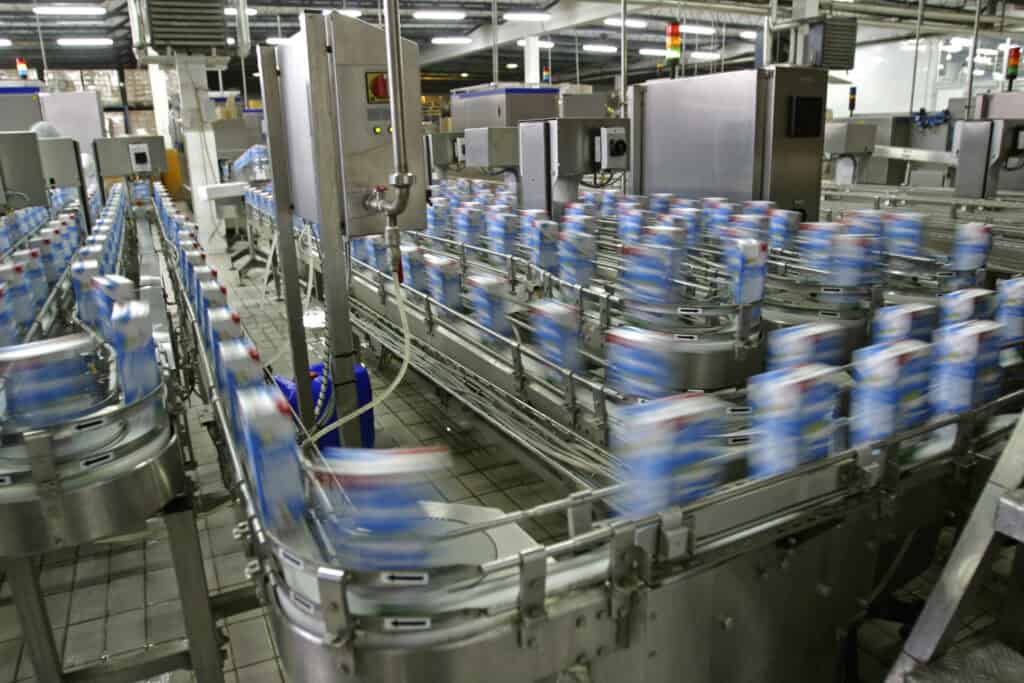
A conveyor system integrator helps businesses design and implement a material handling system that fits the way products actually move through a facility.
Instead of treating a conveyor as an isolated piece of equipment, an integrator considers the complete workflow. That can include receiving, transportation, accumulation, picking, packing, sortation, pallet handling, order fulfillment, and shipping. The objective is to create a coordinated system in which equipment and controls work together to move products efficiently from one stage to another.
Century Conveyor Systems takes this broader approach. Its services include system design, controls engineering, control panel design and fabrication, electrical installation, mechanical engineering, mechanical installation, project management, and project phasing. The company also provides conveyor preventative maintenance, repair services, and replacement parts.
That combination is important because conveyor projects can involve many interdependent decisions. Conveyor type, product characteristics, throughput requirements, available floor space, controls, operator interaction, and downstream processes can all affect the final design.
For example, a facility handling small polybags may have different conveying requirements from one moving heavy pallets or oversized bulk products. Century identifies several conveyor technologies for different applications, including live roller, gravity, belted, modular belt, pallet, spiral, and extendable conveyors.
In other words, a conveyor system integrator is responsible for helping connect the individual pieces into a functional material handling solution—not simply supplying a conveyor section.
One of the primary advantages of working with a conveyor system integrator is having a single organization involved across multiple stages of the project.
A warehouse automation project can require mechanical equipment, electrical infrastructure, controls, software, robotics, installation, testing, and ongoing maintenance. Purchasing each component independently can leave the facility owner responsible for coordinating multiple vendors and determining how those components will interact.
Century’s approach is structured around managing the project as a complete system. The company states that it can manage projects from system design and validation through final installation, startup support, and lifetime parts and service.
This can be particularly relevant when a project involves more than conventional conveyor equipment. Century’s listed capabilities extend into programmable logic controls, warehouse management systems, warehouse control systems, robotic fulfillment, robotic palletizing, sortation, print and apply, storage systems, and retrofit and modernization.
That broader scope allows the conveyor to be considered in relation to the rest of the operation.
For example, a fulfillment center might need conveyors to transport cartons while also requiring automated sortation and robotic movement between work areas. Designing those functions independently could create compatibility or workflow challenges. An integrator can instead look at the movement of products across the entire process and determine how the different technologies should interact.
The result is a project centered on the facility’s material flow rather than on an individual piece of equipment.
Century works with several conveyor configurations, allowing systems to be designed around the products being handled and the specific processes within a facility.
Live roller and gravity conveyors, for example, can be used in packing lines, divert lines, extendable applications, and end-of-line operations. Live roller conveyors use powered rollers, while gravity conveyors rely on gravity to move products.
Belted conveyors provide another option when product stability is particularly important. Century notes that belt-over conveyors can be useful for small polybags, parcels, and irregular carton sizes. Their ability to handle inclines, declines, and gapping can also make them useful when faster or more controlled movement is required.
Modular belt conveyors offer another specialized approach. Their individual belt sections can be removed, cleaned, or modified, which can be valuable in applications where cleaning, traction, tight transfers, or accumulation are important considerations.
For facilities handling pallets or heavier loads, Century offers several pallet conveyor configurations, including pallet drag chain, pallet gravity, chain-driven live roller, and Poly-V conveyors.
The company also works with conveyor diverts, zero- and minimum-pressure accumulation, telescoping extendable conveyors, and spiral conveyors.
This variety matters because there is no single conveyor design that works equally well for every warehouse. Product dimensions, weight, packaging, speed, accumulation requirements, transfer points, and facility layout all influence the appropriate equipment.
A conveyor system integrator can therefore serve as the engineering layer between the operational requirement and the equipment selection.
Yes. Modern warehouse automation increasingly combines traditional conveyor systems with robotic technologies, and Century’s fulfillment solutions include both conveyors and robotic order fulfillment.
Century identifies automated guided vehicles, or AGVs, and autonomous mobile robots, or AMRs, as robotic fulfillment technologies. These systems can provide transportation capabilities within a facility and can complement conveyor-based material handling.
AGVs can follow defined navigation systems and are suited to applications involving pallets, cartons, or other materials traveling along established routes. Century notes that AGVs can also be equipped with conveyor or cart attachments depending on the products being handled.
AMRs take a different approach. Rather than following a fixed track, they use sensors and programming to navigate through a facility. This makes them useful for applications in which movement patterns need to be more flexible.
The distinction can be important when designing a fulfillment system.
A conveyor is a fixed infrastructure solution. It provides predictable transportation along an engineered route. An AMR, by contrast, can move dynamically through a facility. Combining the two can allow an operation to use fixed conveyor infrastructure where it makes sense while introducing mobile automation where flexibility is more valuable.
Century specifically identifies goods-to-person fulfillment as a use case for AMRs. In such an arrangement, robots can retrieve totes and bring them to packing lines or fulfillment personnel.
For businesses considering warehouse automation, this illustrates why choosing a conveyor system integrator can be more comprehensive than choosing a conveyor manufacturer alone. The integrator can evaluate where conveyors, robots, controls, and other technologies fit within the overall workflow.
Order fulfillment involves considerably more than transporting a box from one location to another. Products need to move through multiple stages, and each transition can influence throughput, accuracy, labor requirements, and product handling.
Century describes its order fulfillment approach around optimizing the system at each touchpoint. Its stated objectives include improving output performance, reducing errors that can contribute to returns or product breakage, and processing items faster with fewer manual interactions.
Conveyors can form the transportation backbone of this type of operation. They can move cartons between workstations, provide accumulation, create routing opportunities through diverts, and connect different parts of a warehouse.
Sortation can then direct products toward the appropriate destination. Robotic technologies can provide additional transportation or goods-to-person functionality. Controls and software can coordinate equipment and processes.
This creates a layered automation strategy rather than a single piece of machinery.
For example, a fulfillment operation might use belt conveyors for stable movement of small parcels, accumulation conveyors near packing areas, diverts to route orders, and AMRs for flexible transportation between selected zones. The exact configuration would depend on the facility and its operating requirements.
The important point is that an integrator can evaluate those technologies together.
A conveyor system integrator can also play a role when a company does not need an entirely new warehouse.
Existing facilities may have conveyor equipment that remains mechanically useful but lacks the controls, capacity, automation, or flexibility needed for current operations. Replacing the entire system may not always be the only approach.
Century lists retrofit and modernization among its solution capabilities. Its broader services also include controls engineering, programmable logic controls, warehouse control systems, mechanical and electrical installation, and conveyor service.
Modernization can therefore involve evaluating the existing infrastructure and identifying where improvements could have the greatest operational impact.
Depending on the project, that might mean upgrading controls, changing conveyor sections, adding automation, improving sortation, introducing robotic equipment, or modifying the system to accommodate changes in products and workflows.
The advantage of involving an integrator is that the existing system can be considered as part of the larger operation. Rather than simply replacing individual components, the project can be evaluated around the facility’s current requirements and future objectives.
Installation is only one stage of a material handling automation project.
Conveyor equipment operates in demanding environments, and routine maintenance, replacement parts, troubleshooting, and repairs can become important aspects of keeping a facility running.
Century provides conveyor system integrator service and parts capabilities in addition to its engineering and installation services. The company states that it has a conveyor maintenance and service department, service vehicles, and more than 40 years of conveyor experience. Its listed services include preventative maintenance, repair, replacement parts, and equipment installation.
This ongoing support is another reason the role of a conveyor system integrator can extend well beyond the initial project.
A system integrator that understands the original design has context about how the equipment, controls, and related technologies were intended to operate. That knowledge can be useful when maintenance or modifications become necessary later.
Century also describes a parts ordering portal designed to give participating customers visibility into relevant system parts and part numbers, with the goal of simplifying the process of identifying and requesting replacement components.
For a facility dependent on automated material handling, lifecycle support can be an important part of the overall system strategy.
Century positions itself as a turnkey automation integrator for warehouses, distribution centers, and fulfillment facilities. Its capabilities cover multiple areas of material handling automation, including conveyor systems, sortation, robotic fulfillment, robotic palletizing, controls and software, storage systems, print and apply, and service.
The company’s website also reports more than 1,500 installations over the preceding five years and identifies offices in New Jersey, California, and Kentucky.
Project scale, however, is only one consideration when evaluating an integrator. The more important question is whether the integrator’s engineering, automation, installation, controls, and support capabilities correspond with the requirements of the particular facility.
A warehouse may need a straightforward conveyor expansion, while another operation may require a combination of conveyor transportation, sortation, robotics, warehouse controls, and pallet automation.
A consultation can help establish which combination of technologies is appropriate.
The most productive conversations usually begin with the operation rather than a specific piece of equipment.
A company evaluating automation should be prepared to discuss the products being handled, package dimensions, product weights, current throughput, desired throughput, order profiles, facility dimensions, existing equipment, staffing, bottlenecks, accumulation requirements, shipping processes, and future growth.
It is also useful to identify whether the project involves a new facility, an expansion, or modernization of an existing system.
From there, an integrator can evaluate potential combinations of equipment and automation.
Century’s stated approach of “Design. Build. Support.” reflects this project lifecycle. The company describes capabilities covering system design and validation, installation and startup, and continuing parts and service.
For a business searching for a conveyor system integrator, this broader perspective is ultimately the key consideration: the conveyor should be designed around the material flow and operational objectives of the facility, rather than selecting equipment first and attempting to make it fit afterward.
Warehouse automation continues to expand beyond conventional conveyor transportation. Facilities increasingly have to consider robotics, controls, software, sortation, goods-to-person processes, automated palletizing, and other technologies alongside traditional conveying.
That makes conveyor system integrator important.
Century Conveyor Systems’s conveyor system interrogators provides capabilities across these different categories, including conventional conveyor systems, robotic fulfillment, palletizing, controls and software, sortation, storage, and ongoing service. Its order fulfillment solutions also demonstrate how fixed conveyor infrastructure can work alongside mobile robotics such as AGVs and AMRs.
The practical value of an integrator is therefore its ability to view automation as a connected system.
For a facility planning a new material handling project, expanding an existing operation, or modernizing an aging system, working with a conveyor system integrator can provide a way to address engineering, equipment, controls, installation, and lifecycle support within one broader project framework.
Century Conveyor Systems’ approach centers on that full-system perspective, helping warehouses and distribution facilities move from individual automation components toward an integrated material handling operation.

Warehouse operations are under constant pressure to move products faster and adapt to changing order volumes. That is where automation in warehousing becomes an important part of modern material handling strategy.
For companies evaluating warehouse automation, the challenge is rarely finding a single piece of equipment. A successful automated operation requires multiple systems to work together—from conveyors and sortation equipment to robotics, controls, warehouse software, storage systems, and ongoing service.
Century Conveyor Systems approaches automation as an integrated material handling solution. The company designs and implements automated systems for warehouses, distribution centers, and fulfillment facilities, with capabilities that extend from system design and controls engineering through installation, startup, service, and parts support.
Below are some of the most common questions about Century Conveyor Systems and its approach to automation in warehousing.
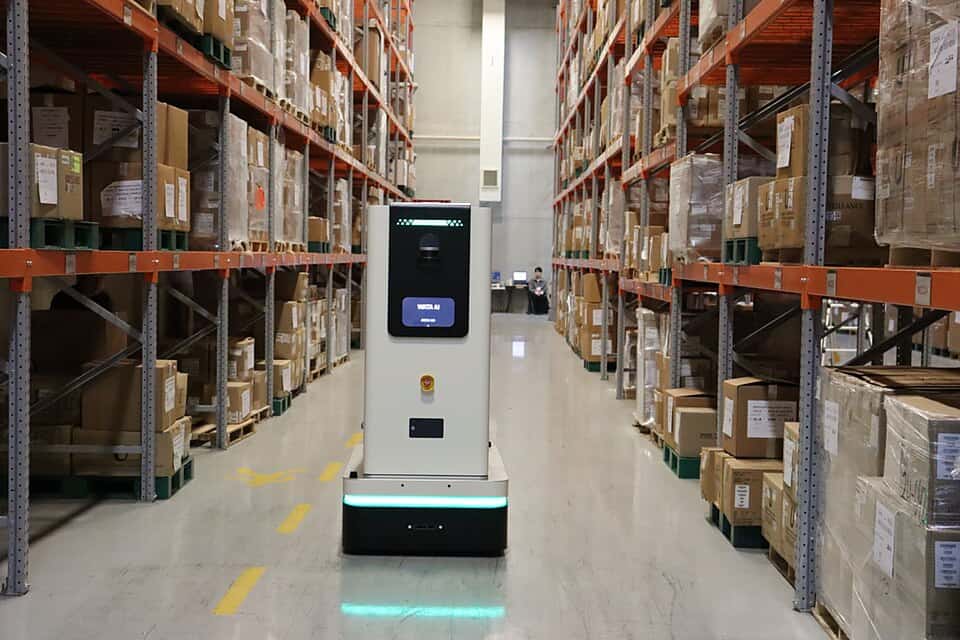
For Century Conveyor Systems, automation in warehousing is about creating a connected material handling system that moves products through a facility with less unnecessary manual intervention.
Rather than treating automation as one machine or one conveyor, Century works across multiple stages of warehouse operations. Its solutions include conveyor systems, sortation, robotic fulfillment, robotic palletizing, controls and software, storage modules, print-and-apply equipment, and related service and maintenance capabilities.
The company describes itself as a full-service system integrator for shipping warehouses, distribution centers, and fulfillment facilities. Its engineers can design, validate, and implement turnkey systems intended to improve output while reducing labor requirements.
That integrated approach matters because warehouse processes are interconnected. A conveyor that moves cartons efficiently is only one part of the operation. Products may also need to be inducted, accumulated, diverted, sorted, picked, packed, labeled, palletized, and transported to shipping. Automation has to account for how each of those activities affects the others.
Century’s approach therefore centers on designing an automation system around the specific flow of goods through a facility rather than treating individual pieces of equipment as isolated upgrades.
Conveyors form one of the core elements of Century’s approach to warehouse automation. They provide a continuous method for moving cartons, packages, pallets, and other materials between operational areas.
Century offers several conveyor configurations because different products and warehouse processes require different handling characteristics. Live roller and gravity conveyors, for example, can be useful in packing lines, divert areas, extendable applications, and end-of-line operations. Belted conveyors can provide stable handling for smaller parcels, polybags, and irregular carton sizes. Modular belt conveyors offer another option where cleaning, maintenance, traction, or specialized handling requirements are important.
The company also provides conveyor diverts that can route products from one line to another. This can allow cartons to be directed toward specific processing or shipping destinations without necessarily requiring a large standalone sortation system for every application.
Accumulation is another important consideration. Zero-pressure and minimum-pressure conveyor systems can help manage product spacing and reduce contact between items. This is particularly relevant when fragile products need to be moved without unnecessary collisions.
For warehouses handling pallets or oversized loads, Century also provides pallet conveyor solutions, including drag chain, gravity, chain-driven live roller, and Poly-V configurations.
The key point is that conveyor automation is not simply about moving products from Point A to Point B. The conveyor configuration, speed, accumulation strategy, product characteristics, and interaction with other equipment all influence how effectively the overall warehouse operates.
Robotics provides another layer of automation in warehousing, particularly for facilities that need greater flexibility in transporting goods.
Century’s robotic fulfillment solutions include automated guided vehicles (AGVs) and autonomous mobile robots (AMRs). Both can transport materials around a facility, but they operate differently.
AGVs generally follow defined routes using technologies such as magnetic tape, QR codes, inductive wires, or laser-based systems. They can be configured to transport pallets, cartons, and other materials along established paths. Century notes that AGVs can also be fitted with conveyor or cart attachments and can interface with conveyor systems.
AMRs provide a different approach. Rather than following a fixed track, they use sensors and programming to navigate through a facility. That makes them suitable for environments where routes may need to change or where goods need to be transported between different locations.
Century identifies goods-to-person fulfillment as a key application for AMRs. Instead of requiring an employee to travel throughout a warehouse to retrieve inventory, an AMR can transport totes, cartons, or carts to a workstation or packing area.
This distinction is important when evaluating automation. A fixed conveyor may be appropriate for predictable, high-volume transportation between established points, while mobile robotics can provide additional flexibility where warehouse layouts, workflows, or transportation requirements change.
Yes. Order fulfillment is one of the central applications for automation in warehousing, and Century specifically focuses on automating the movement of products throughout the fulfillment process.
Order fulfillment encompasses the activities that occur between receiving an order and getting the product to the shipping dock. Depending on the facility, that can involve picking, transportation, accumulation, sortation, packing, labeling, and loading.
Century’s order fulfillment approach is designed around improving output performance, reducing errors that can contribute to returns or product damage, and processing items with fewer manual interactions.
Conveyor automation can help establish predictable product movement between work areas. Sortation equipment can direct products toward appropriate destinations. Robotic systems can transport totes or cartons. Print-and-apply equipment can automate labeling-related processes, while palletizing systems can automate the placement and preparation of products on pallets.
The value comes from coordinating these technologies rather than simply adding automation wherever space is available.
A warehouse that automates one isolated process may still have bottlenecks elsewhere. For example, faster picking does not necessarily improve total throughput if products then accumulate at packing or shipping. A properly engineered fulfillment system considers the entire flow so that individual improvements support the performance of the broader operation.
Century’s range of solutions covers several major areas of warehouse material handling.
Conveyor systems are available for cartons, parcels, pallets, and other loads. Sortation systems can distribute products to different destinations. Robotic fulfillment solutions provide automated transportation through AGVs and AMRs.
The company also works with robotic palletizing and depalletizing systems, including robotic arms and cells as well as associated shrink-wrapping and strapping equipment. These technologies can automate repetitive pallet-handling tasks at the beginning or end of a material flow.
Controls and software provide another critical layer. Century lists control panel fabrication, programmable logic controls, warehouse management systems, and warehouse control systems among its capabilities.
Storage solutions include shelving and racking, ergonomic picking and packing systems, automated storage and retrieval systems, mezzanines, platforms, and warehouse structures.
There are also print-and-apply solutions, including case formers, sealers, erectors, dunnage dispensers, fillers, tapers, shipping label applicators, and related terminals.
This breadth allows a warehouse project to address multiple stages of material handling through a coordinated automation strategy instead of relying on disconnected equipment suppliers for every portion of the system.
Physical automation equipment needs a control layer to coordinate how products move through a warehouse. This is why controls and software are an important part of Century’s automation capabilities.
The company works with programmable logic controls, control panel fabrication, warehouse management systems, and warehouse control systems.
In an automated warehouse, these technologies can help coordinate equipment and communicate information about material movement. The control system can be responsible for determining how equipment responds to sensors, product locations, routing requirements, and other operational inputs.
This is particularly important as a facility becomes more automated. Adding conveyors, robots, sortation, or other machinery without considering how those systems communicate can create operational complexity rather than eliminating it.
Century’s system-integration model brings engineering, controls, equipment, installation, and project management into the same overall project. That provides a framework for considering the control architecture alongside the physical warehouse layout.
For businesses planning automation, this is an important distinction: the goal is not simply to purchase automated equipment, but to create a system in which the equipment, controls, software, and warehouse processes operate together.
Automation in warehousing does not necessarily require building an entirely new facility. Existing operations can also be candidates for modernization.
Century lists retrofit and modernization among its solution capabilities. This is relevant for companies that already have conveyor systems, controls, storage equipment, or other material handling infrastructure but need to increase capacity or update outdated technology.
A retrofit can take many forms. A warehouse might replace or modify existing conveyors, add new automation to an established line, update controls, introduce robotics, improve sortation, or change the way products move between existing workstations.
The appropriate strategy depends on the condition of the existing system, available floor space, throughput requirements, product characteristics, and the desired future-state operation.
Modernization can also allow businesses to approach automation incrementally. Instead of attempting to replace an entire material handling system at once, certain processes may be upgraded while other infrastructure remains in service.
That makes system assessment an important starting point. Before determining which equipment to add, an integrator can evaluate how the current operation works and identify where automation can fit into the existing environment.
Automation does not end when equipment is installed and started. Long-term maintenance is an important part of warehouse automation because a conveyor or robotic system that is unavailable cannot provide its intended operational value.
Century provides conveyor repair, preventative maintenance, replacement parts, equipment installation, and service capabilities. The company also identifies 24/7 support, conveyor preventative maintenance, electrical installation, mechanical installation, and project management among its services.
Its service department supports conveyor maintenance and repair, and the company provides replacement conveyor parts and equipment.
This ongoing support can be particularly important in automated facilities because equipment is often interconnected. A problem with one component can affect material flow elsewhere in the system.
Preventative maintenance can help identify wear or developing equipment issues before they become larger operational interruptions. Parts availability can also matter when a component needs to be replaced.
For businesses evaluating automation, service should therefore be considered alongside equipment specifications. The long-term performance of an automated warehouse depends not only on how the system is designed, but also on how it is maintained and supported after commissioning.
The distinction is primarily the integration process.
A warehouse can purchase individual conveyors, robots, sorters, controls, or storage systems from different vendors. However, individual equipment purchases do not automatically create an efficient automated workflow.
Century positions itself as a turnkey system integrator, meaning the company can participate across system design, validation, installation, startup support, and ongoing service.
That approach allows the warehouse’s operational requirements to remain central to equipment decisions.
For example, a project might combine conveyors with robotic fulfillment, controls, sortation, pallet handling, storage systems, and print-and-apply equipment. Each technology performs a different job, but the warehouse needs them to function as one material handling process.
The engineering process therefore becomes just as important as the equipment itself. Product dimensions, weights, throughput requirements, facility layout, accumulation requirements, operator interaction, shipping patterns, and future capacity can all influence the final system.
This is one reason automation in warehousing is best considered a systems-engineering challenge rather than simply an equipment-purchasing exercise.
Scalability is a significant consideration when designing automation, particularly for businesses whose order volumes or product mix can change over time.
Century identifies its robotic fulfillment systems as scalable, noting that additional systems can be implemented as needed. AMRs in particular can provide flexibility because they are not permanently fixed to a conveyor route in the same way as traditional equipment.
Conveyor systems can also be designed with different sections and functions, allowing a warehouse to create a material flow suited to its current requirements while considering future expansion.
Scalability does not mean that every warehouse should automate everything immediately. Instead, it means the initial system should be designed with realistic future requirements in mind.
For example, a facility may initially automate transportation between picking and packing while leaving certain processes manual. As order volume grows, additional robotics, sortation, conveyor capacity, storage automation, or packaging equipment may be incorporated.
A scalable approach can therefore help businesses avoid designing a system that meets today’s requirements but creates significant constraints when the operation expands.
The most important starting point is understanding the warehouse’s actual material flow.
Businesses should consider what products they handle, how those products enter and leave the facility, how many orders are processed, where bottlenecks occur, how much manual transportation is involved, what types of errors occur, and what future capacity is expected.
Product characteristics also matter. Cartons, polybags, pallets, drums, oversized products, fragile items, and irregular packages may require different handling methods.
The physical facility is another consideration. Available floor space, ceiling height, existing structures, dock configuration, electrical infrastructure, and current equipment can all affect automation design.
Finally, the warehouse should consider the complete lifecycle of the system. Installation, controls, training, preventative maintenance, replacement parts, service, and future modifications can influence the long-term effectiveness of the investment.
Century’s capabilities span system design, mechanical and electrical installation, controls engineering, project management, automation solutions, and service. That broad scope reflects an important principle of automation in warehousing: the objective is not simply to make individual tasks automatic. It is to create a material handling environment that can reliably move products through the facility while supporting the warehouse’s operational and business requirements.
The starting point is a discussion about the facility’s current operation and its desired future state.
Century invites businesses to provide project details when beginning an automation optimization project. From there, an automation-focused approach can consider the warehouse layout, material flow, throughput requirements, equipment needs, controls, installation requirements, and ongoing support.
For organizations considering automation in warehousing, the most useful project conversations typically begin with the problem rather than a particular machine.
Instead of starting with “Which conveyor should we buy?” a business can start with questions such as: Where is our operation constrained? Which processes require excessive manual handling? Where do products accumulate? Where do errors occur? What happens when order volume increases? Which processes need to become more flexible? What capacity will the facility require in the future?
Those answers can then guide the selection of conveyors, sortation, robotics, controls, storage, palletizing, print-and-apply equipment, or other automation technologies.
Century Conveyor Systems’ role as an automation in warehousing and material handling integrator is built around that broader process—from designing and validating the system through installation, startup, service, and parts support.
For warehouses looking to modernize, the central question is therefore not simply whether automation should be added. It is how automation can be engineered around the facility’s products, processes, people, space, throughput requirements, and long-term goals. That systems-level perspective is at the heart of effective automation in warehousing.

An accumulation conveyor holds product in line without crushing it. Compare zero-pressure, minimum-pressure, MDR, and pneumatic types, and size the buffer.
Continue reading
More than 90% of Fortune 500 companies rely on at least one 3PL partner for fulfillment. 3PL and contract fulfillment demand is the number-one driver of new large-warehouse leasing activity in the U.S. The sector is growing — and the operators winning that growth all have something in common that has nothing to do with sales.
Winning a new 3PL contract is one thing. Building the operation behind it is another.
The 3PLs that keep customers longest are the ones with systems that can grow with them. When the customer’s volume doubles, the operation adapts. When a second customer comes into the building, the controls handle it. When the contract changes, the equipment doesn’t get ripped out.
That kind of flexibility isn’t an accident. It’s an engineering decision made before the first conveyor goes in — and it’s the difference between buying equipment and building a platform.
Three operational pressures consistently separate the 3PLs that grow from the ones that plateau.
New customer contracts come with aggressive go-live timelines. A prospective customer choosing between operators is also choosing between start dates — and a system that takes 14 months to build loses deals before the conversation starts. Fulfillment center automation only helps you win business if it can be deployed at the pace that business moves.
This is the one that catches operators by surprise. Customer A runs one WMS. Customer B runs another. If your controls layer can only talk to one warehouse management system at a time, every new account means a custom integration project — or worse, a full rebuild. The floor should not have to choose which customer’s system drives it.
A customer that signed at 5,000 orders a day is now moving 12,000. That’s the outcome every 3PL wants — and a fixed system built to the original spec can’t absorb it without a capital project. When growth requires re-engineering, growth stalls.
If any of these sound familiar, the issue isn’t the equipment you bought. It’s that it was bought as equipment, not designed as a platform.
We don’t start with the largest system that fits the building. We start with what the customer actually needs on day one, and design from there for what comes next. Four capabilities make that possible in a 3PL environment.
Autonomous mobile robots and modular conveyor lines can be reconfigured as customer mix, volume, and product profile change — no permanent commitment to a fixed layout. When a new account brings a different carton profile or a different pick path, the system moves with it instead of becoming the obstacle.
Fulfillment operations serve retail, DTC, and B2B out of the same building, which means mixed SKUs, mixed cartons, and mixed compliance requirements on every shift. Put walls handle order consolidation across that mix; automated shipping sortation routes finished orders to the right carrier lane without a dedicated team per channel.
A warehouse execution system that integrates with multiple WMS environments simultaneously is the core of multi-customer flexibility. Customer A and Customer B keep their own systems; the WES orchestrates the floor underneath both. Onboarding a new account becomes a configuration exercise, not a controls rebuild.
Deployment timelines should match the pace of 3PL business. We’ve taken systems from site walk to go-live on aggressive schedules for operators who couldn’t wait 18 months for a traditional build — because in contract fulfillment, the operator who can say yes to the start date wins the contract.
The best time to design a flexible system is before the first system is in the ground. The second-best time is before the next customer, the next expansion, or the next equipment replacement — because every fixed decision you make now is a constraint you’ll negotiate around later.
Century has been part of those decisions for 3PLs across the country: opening-day installations, multi-phase expansions, and platforms built around a single customer relationship that kept growing.
Planning a new 3PL facility, onboarding a new customer, or replacing equipment that wasn’t built to scale? Start the conversation — an engineering conversation, not a pitch.
Rick Maldonado leads business development for Century Conveyor Systems and works directly with operations teams on fulfillment projects across the country.
Rick Maldonado, Business Development Manager (713) 867-5309 | rick.maldonado@centuryconveyor.com
Want articles like this in your inbox? Sign up for the Century email blast.
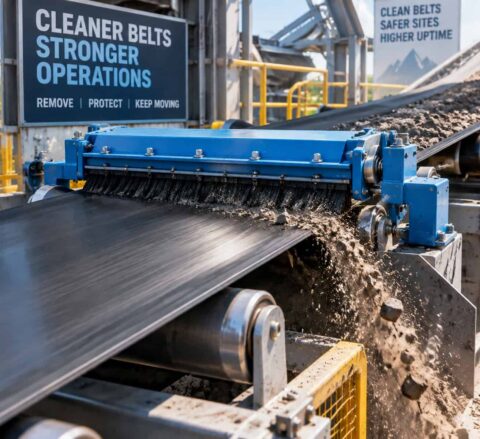
A conveyor belt cleaner can play an important role in keeping a material handling system operating efficiently, particularly in warehouses, distribution centers, fulfillment facilities, and other environments where conveyors move products continuously. When conveyor equipment is integrated into a larger automated operation, cleanliness and maintenance become part of a much bigger consideration: maintaining reliable material flow from one stage of the operation to the next.
Century Conveyor Systems specializes in conveyor and material handling automation for warehouses, distribution centers, shipping operations, and fulfillment facilities. Its approach includes system design, installation, controls, maintenance, repair, replacement parts, and ongoing support. That broader perspective is useful when evaluating equipment such as a conveyor belt cleaner because the cleaner is not an isolated component—it needs to work as part of the conveyor system and the facility around it.
The following FAQ explains what businesses should understand about conveyor belt cleaners and how the topic relates to Century Conveyor Systems’ conveyor and fulfillment solutions.
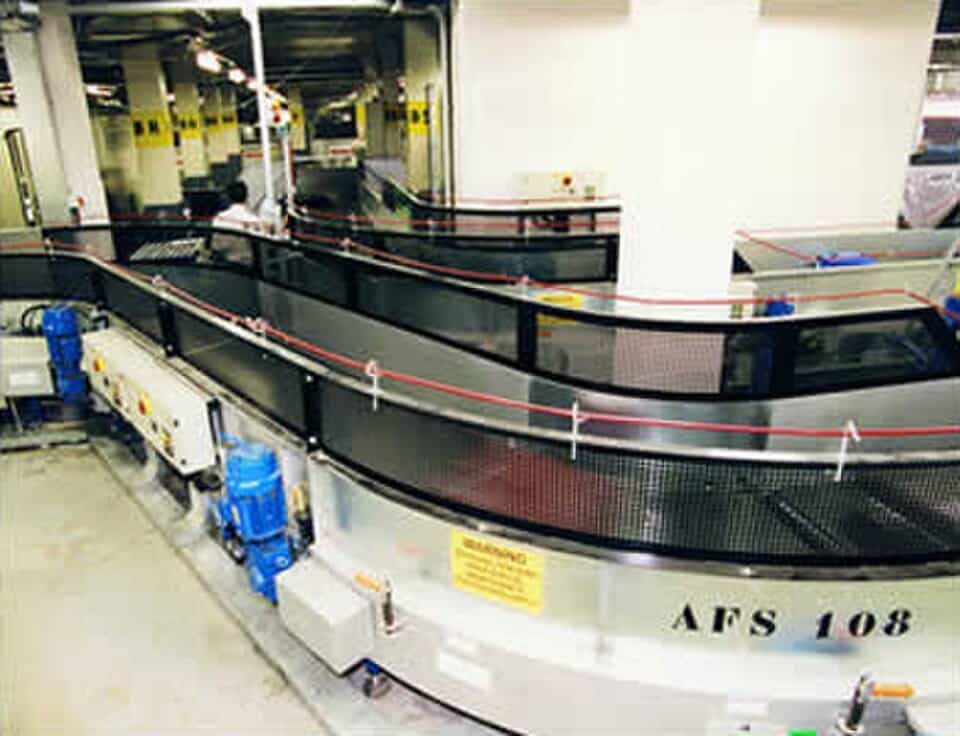
A conveyor belt cleaner is a device or maintenance component designed to help remove material, debris, residue, or other unwanted buildup from a conveyor belt during operation or maintenance.
The basic purpose is straightforward: a conveyor belt transports products, and material can sometimes remain on or around the belt after the product has moved onward. Without appropriate cleaning and maintenance, accumulated material can interfere with conveyor performance, contribute to wear, or create housekeeping challenges.
The specific type of cleaning equipment required depends heavily on the conveyor’s application. A conveyor handling packaged goods in a distribution center can have very different cleaning requirements from a conveyor used for bulk material or food-related applications.
This is why selecting a conveyor belt cleaner should generally begin with understanding the complete conveyor application rather than choosing a component based only on the belt itself.
Conveyor systems are often central to automated material movement. Century describes warehouse conveyor systems as the backbone of automated operations, where conveyors continuously move products through processing, sortation, and distribution activities.
That means an issue affecting one section of a conveyor can potentially affect processes farther downstream. In an automated environment, equipment is interconnected, so maintaining the conveyor is about more than keeping an individual belt visually clean.
Regular attention to conveyor cleanliness can support several operational objectives:
Century offers conveyor preventative maintenance as well as conveyor repair and parts services. Its maintenance approach recognizes that conveyor equipment needs ongoing care after installation, rather than being treated as a one-time capital investment.
Century Conveyor Systems’ published website describes a broad range of conveyor systems, service capabilities, and material handling solutions. Its offerings include belt and roller conveyors, sortation conveyors, modular belt conveyors, pallet handling systems, conveyor service, preventative maintenance, repair, and replacement parts.
The company information available publicly does not identify a single product specifically branded as a “Century Conveyor Systems conveyor belt cleaner.” Therefore, businesses should not assume that the phrase refers to one standardized Century product.
Instead, a conveyor belt cleaning requirement should be evaluated within the context of the conveyor system being designed, installed, serviced, or modernized.
This distinction matters because the appropriate cleaning method can depend on factors such as belt construction, conveyed products, conveyor configuration, operating environment, production requirements, and the type of residue being removed.
One of the important considerations when evaluating conveyor cleaning equipment is the relationship between the component and the rest of the conveyor.
Century describes itself as a full-service material handling integrator. Its services cover system design and validation, installation, startup support, controls engineering, mechanical engineering, project management, preventative maintenance, repair, and parts.
That makes maintenance part of the overall lifecycle of a conveyor system.
A conveyor belt cleaner may therefore be considered alongside other maintenance and service requirements rather than as a standalone purchase. If a facility is experiencing belt contamination, tracking problems, buildup, or recurring maintenance issues, the underlying conveyor configuration may also deserve evaluation.
A comprehensive approach can help determine whether cleaning equipment, maintenance, replacement parts, adjustments, or a larger system modification is appropriate.
Century’s order fulfillment information describes several conveyor configurations, including live roller and gravity conveyors, belted conveyors, modular belt conveyors, conveyor diverts, zero- and minimum-pressure accumulation conveyors, extendable conveyors, spiral conveyors, and pallet conveyors.
Belted conveyors are particularly relevant to a conveyor belt cleaner discussion. Century explains that belt-over conveyors use belts wrapped over the slider or rollers of a conveyor bed. These systems can provide stable conveyance for small polybags, parcels, and irregular carton sizes, while also supporting applications such as inclines, declines, and gapping.
Modular belt conveyors use individual belt sections rather than a single vulcanized rubber belt. According to Century, these modular belts can be removed, cleaned, or modified more easily and can be useful in applications requiring additional traction, tight transfers, or easier accumulation handling.
These differences demonstrate why there is no universal conveyor belt cleaning solution. The belt’s construction and the way the conveyor operates can influence what type of cleaning and maintenance approach makes sense.
It can be, depending on the products, conveyor design, and operating environment.
Fulfillment centers place significant demands on material handling equipment because products may move through numerous stages between order receipt and shipment. Century describes order fulfillment as a process that extends from receiving an order through processing and ultimately moving the item to the shipping dock.
Conveyor systems can automate movement between these stages, reducing manual interactions and helping facilities process products efficiently.
In that environment, maintaining conveyor equipment is part of maintaining the overall material flow. A conveyor belt cleaner can be one component of a broader maintenance strategy where appropriate.
However, cleaning requirements for a fulfillment center handling cartons and polybags may differ substantially from requirements for another industry. The right solution should be based on the actual material being conveyed and the conveyor system’s operating conditions.
The first step is to define the application.
Important questions include:
Century’s engineering and service capabilities can be relevant when these questions involve the conveyor system as a whole. The company provides system design, mechanical engineering, installation, preventative maintenance, repair, and parts support.
Yes. Cleaning and inspection can form part of a broader preventative maintenance program.
Preventative maintenance is intended to identify and address developing issues before they become larger operational problems. For conveyor equipment, this can involve inspecting components, identifying wear, checking alignment and tracking, addressing buildup, replacing worn parts, and maintaining equipment according to its operating requirements.
Century specifically lists conveyor preventative maintenance among its services and also provides conveyor repair and replacement parts.
A belt cleaner does not replace preventative maintenance. Instead, where appropriate, it can complement a maintenance program by helping manage material accumulation and supporting the cleanliness of the conveyor belt.
The most effective maintenance program is typically one that considers the complete conveyor rather than focusing on a single component.
Potentially, although the effect depends on the cause of downtime and the application.
If material buildup contributes to operational issues, keeping the belt cleaner may help address one factor contributing to those problems. But downtime can have many causes, including worn components, mechanical failures, tracking problems, electrical issues, controls problems, overloaded equipment, or inadequate maintenance.
Century’s approach covers multiple areas of conveyor support, including mechanical and electrical installation, controls engineering, preventative maintenance, repair services, and replacement parts.
This broader capability is important because simply installing a conveyor belt cleaner will not resolve every conveyor performance problem. If a facility experiences repeated downtime, the underlying cause should be identified before selecting a particular maintenance component.
Conveyor design can have a major effect on maintenance requirements.
Century explains that warehouse conveyor systems are engineered around the functions they need to perform. Different sections may be selected for processing, transportation, accumulation, sortation, loading, or other operational requirements.
For example, belted conveyors can provide stability for small or irregular packages, while modular belts offer a different construction and can be removed and cleaned more easily. Conveyor diverts, accumulation systems, spirals, extendables, and pallet conveyors introduce additional mechanical considerations.
Consequently, cleaning should be considered as part of the system’s design and operating requirements.
For a new facility, this means maintenance access and cleaning requirements can be considered during system planning. For an existing facility, the same principle can help identify whether a modification or modernization project would improve maintainability.
No. A conveyor belt cleaner is only one potential component of a much larger maintenance strategy.
A complete conveyor maintenance program can involve routine inspections, cleaning, lubrication where applicable, component replacement, belt tracking checks, mechanical inspections, electrical inspections, controls maintenance, and prompt repair of developing problems.
Century provides conveyor service and parts support as part of its broader offering. The company states that it has an established conveyor maintenance and service department, along with replacement conveyor parts and equipment.
For facilities that depend heavily on automated material handling, this broader approach can be particularly important. A conveyor is a system of interacting mechanical, electrical, and control components, so maintenance decisions should account for those relationships.
Order fulfillment depends on moving products through a series of operational steps. Century describes its fulfillment solutions as being designed to optimize output performance, reduce errors that can result in returns or product damage, and process items faster with fewer manual interactions.
Conveyors are an important part of that process because they provide continuous movement between operational areas.
Maintaining those conveyors helps facilities preserve the equipment’s intended operating conditions. Cleaning is one aspect of that maintenance, while inspections, repairs, replacement parts, controls, and system optimization address other aspects.
The goal is not simply to keep a belt clean. The larger objective is to maintain dependable material movement throughout the fulfillment operation.
A business should consider discussing the requirement with a conveyor specialist when cleaning becomes a recurring maintenance issue, when buildup is affecting conveyor operation, when an existing belt or conveyor is being replaced, or when a new automated material handling system is being designed.
It can also make sense to seek engineering input when a facility is experiencing repeated conveyor problems and is unsure whether cleaning, maintenance, replacement parts, modernization, or a larger system change is required.
Century provides conveyor system design as well as service, repair, preventative maintenance, parts, mechanical engineering, controls engineering, and installation. That range of capabilities allows a conveyor belt cleaning requirement to be considered within the larger material handling system.
The most important point is that a conveyor belt cleaner should be evaluated as part of the conveyor system, not as an isolated component.
Century Conveyor Systems works with multiple conveyor configurations and provides broader material handling engineering and service capabilities for warehouses, distribution centers, and fulfillment facilities. Its published solutions include belted and modular belt conveyors as well as numerous other conveyor technologies.
For an existing operation, the right cleaning approach depends on the belt, conveyed materials, operating environment, and maintenance requirements. For a new installation, cleaning and maintenance considerations can be incorporated into the system design from the beginning.
Ultimately, effective conveyor maintenance combines the right equipment with appropriate system design, inspection, preventative maintenance, repair, and parts support. A conveyor belt cleaner may be an important part of that equation, but its value is greatest when it is selected and maintained as part of a complete material handling strategy.