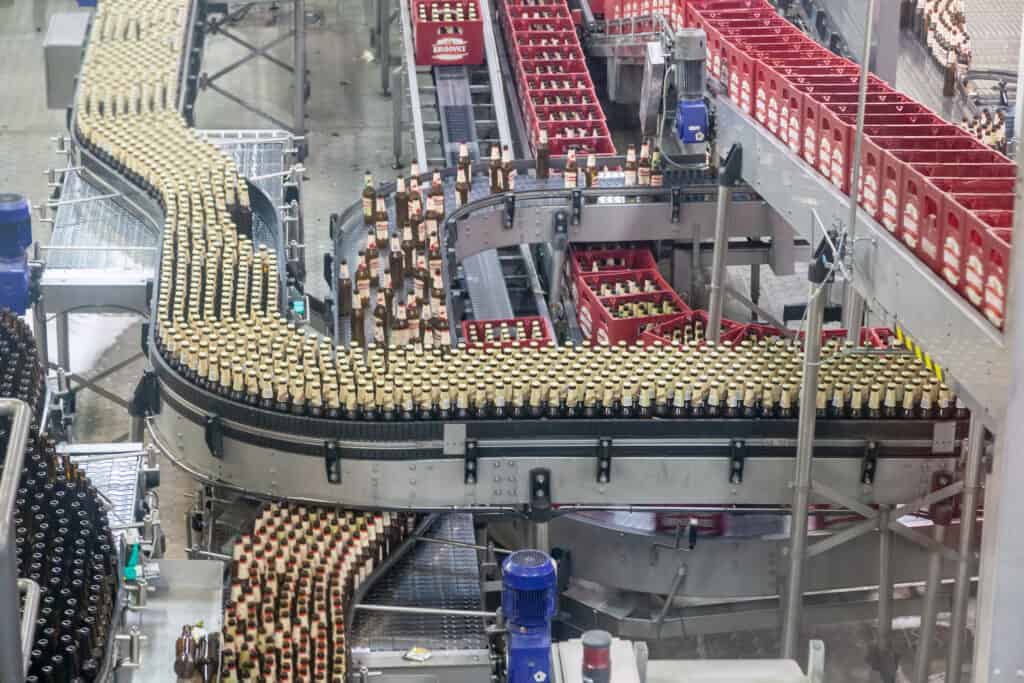
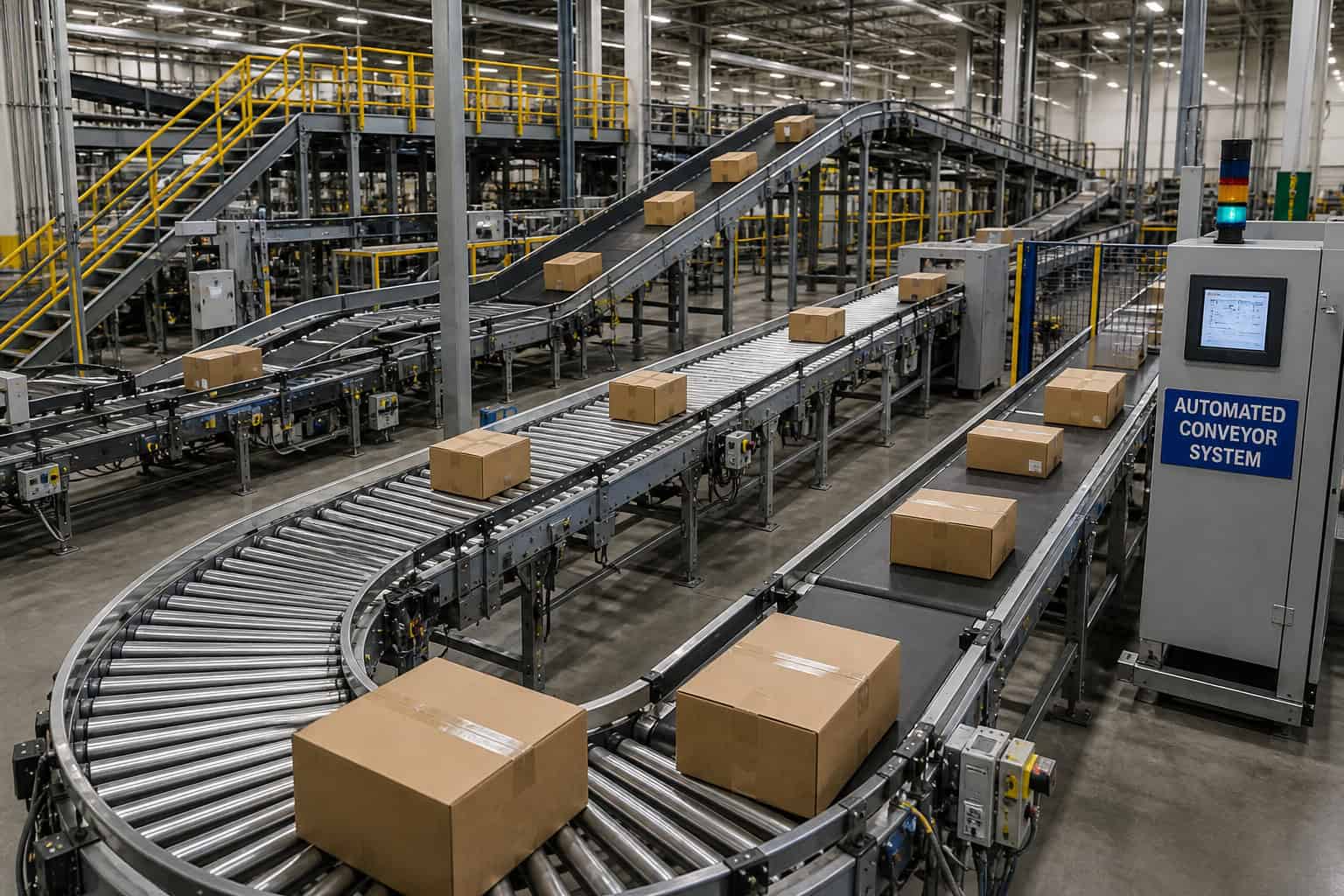
Modern warehouses and distribution centers need automated conveyor systems because of constant pressure to ship orders faster, improve accuracy, and control labor costs. As order volumes continue to increase, many businesses are replacing manual material handling with automated conveyor systems that keep products moving efficiently from receiving through shipping.
Century Conveyor Systems specializes in designing, engineering, integrating, and supporting turnkey material handling automation solutions for warehouses, distribution centers, and fulfillment operations. Rather than selling standalone conveyor equipment, Century develops customized systems that align with each customer’s operational goals while integrating conveyors, controls, robotics, software, and sortation technologies into one coordinated solution.
Below are answers to some of the most frequently asked questions about Century Conveyor Systems’ automated conveyor systems.
Table of Contents

FAQ 1: What are automated conveyor systems?
Automated conveyor systems are integrated material handling solutions that automatically transport products throughout a warehouse or distribution facility with minimal manual intervention.
Instead of relying on employees to move cartons, totes, pallets, drums, or polybags between workstations, automated conveyors continuously move products through receiving, storage, picking, packing, sortation, labeling, palletizing, and shipping.
Century Conveyor Systems designs automated conveyor systems as part of complete warehouse automation projects. Every solution is engineered around the customer’s workflow instead of using a one-size-fits-all design. Depending on operational requirements, a system may include:
- Belt conveyors
- Powered roller conveyors
- Gravity conveyors
- Pallet handling conveyors
- Extendable conveyors
- Spiral conveyors
- Conveyor diverts
- Automated sortation equipment
- Warehouse controls
- Warehouse software integration
- Robotic technologies
Because every operation has different throughput goals, product types, facility layouts, and growth plans, Century’s engineering team evaluates each application before recommending the right combination of technologies.
FAQ 2: Why should businesses choose Century Conveyor Systems for automated conveyor systems?
Many conveyor suppliers simply provide equipment.
Century Conveyor Systems delivers complete automation solutions.
This difference has a significant impact on long-term operational performance.
Century manages the entire automation process, including:
- System design
- Engineering
- Validation
- Equipment integration
- Installation
- Startup support
- Controls implementation
- Ongoing maintenance
- Replacement parts and service
This turnkey approach helps eliminate compatibility issues that can occur when multiple vendors supply different portions of a warehouse automation project.
Century also focuses on designing systems around measurable business outcomes instead of equipment specifications alone. Their goal is to increase throughput, reduce labor dependency, improve order accuracy, minimize product damage, and create scalable systems that continue supporting operations as businesses grow.
Rather than forcing customers into standardized layouts, Century develops customized automation strategies that match each facility’s current needs while preparing for future expansion.
FAQ 3: How do Century Conveyor Systems’ automated conveyor systems improve order fulfillment?
Order fulfillment involves much more than simply moving products.
A successful fulfillment operation depends on efficient movement through every stage of the warehouse, including:
- Receiving inventory
- Storage
- Replenishment
- Order picking
- Transportation
- Packing
- Labeling
- Sortation
- Shipping
If products stop moving efficiently at any point, bottlenecks develop that slow the entire operation.
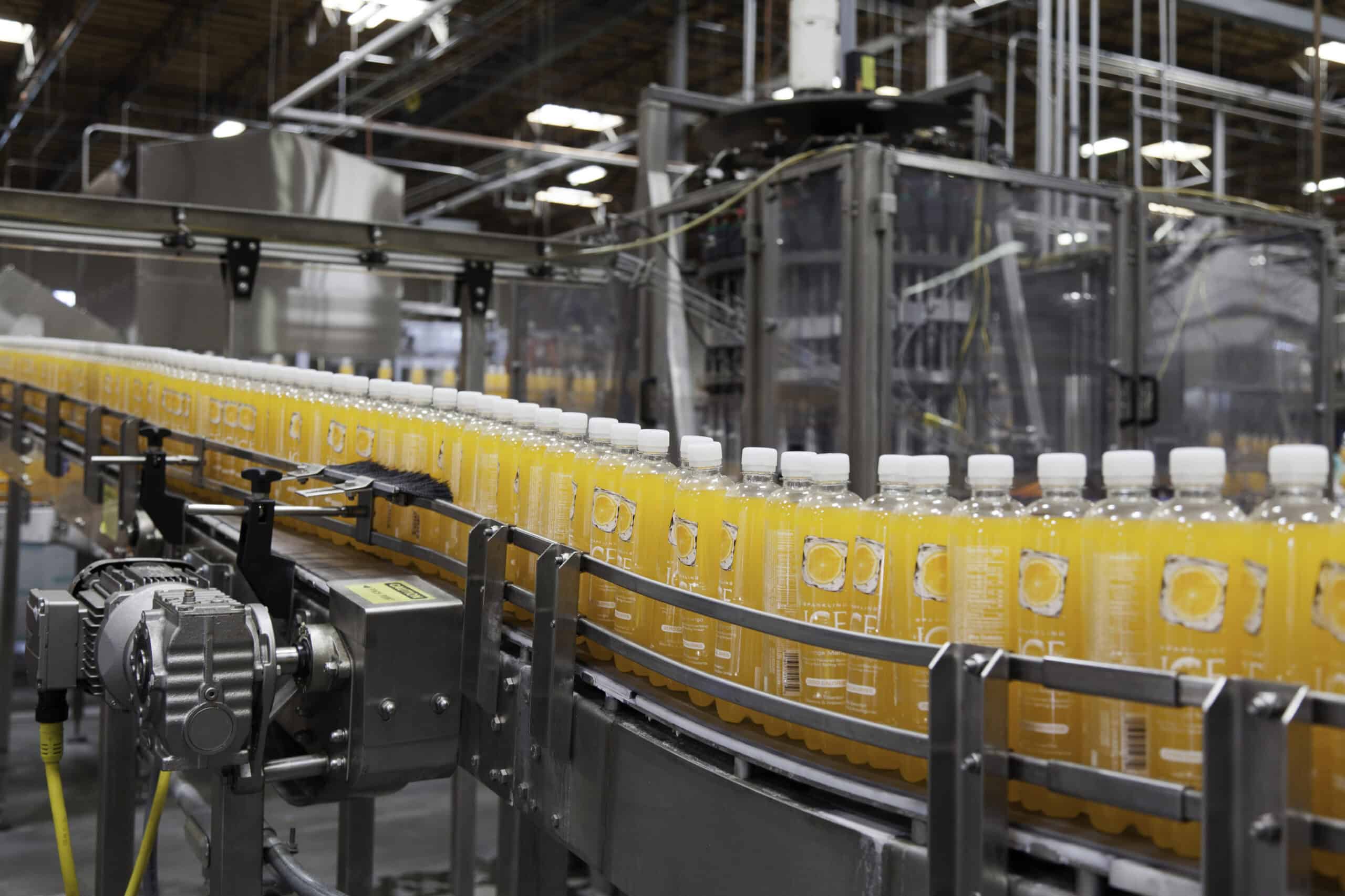
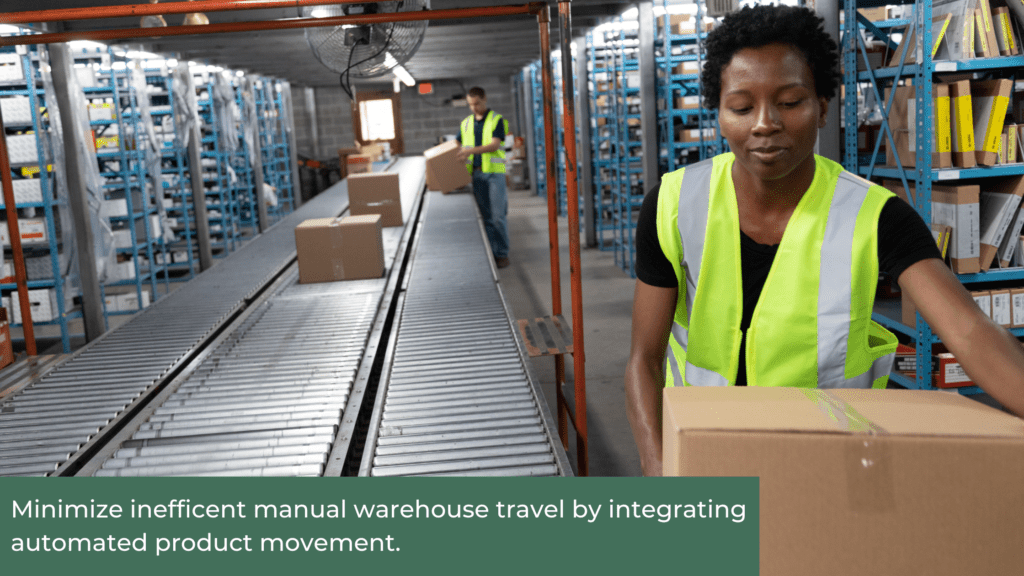
Century Conveyor Systems engineers automated conveyor systems to maintain continuous product flow throughout the warehouse. Instead of requiring employees to manually transport inventory between departments, conveyors automatically move products to the next process with consistent speed and reliability.
This creates several important operational benefits.
First, throughput increases because products spend less time waiting between processes.
Second, employees can spend more time on value-added activities instead of walking long warehouse distances transporting materials.
Third, fewer manual touchpoints reduce opportunities for handling damage and fulfillment errors.
Finally, the entire operation becomes more predictable, allowing managers to better balance labor resources while maintaining consistent shipping performance during both normal operations and seasonal demand spikes.
FAQ 4: Can Century Conveyor Systems integrate automated conveyor systems with robotics and warehouse software?
Yes.
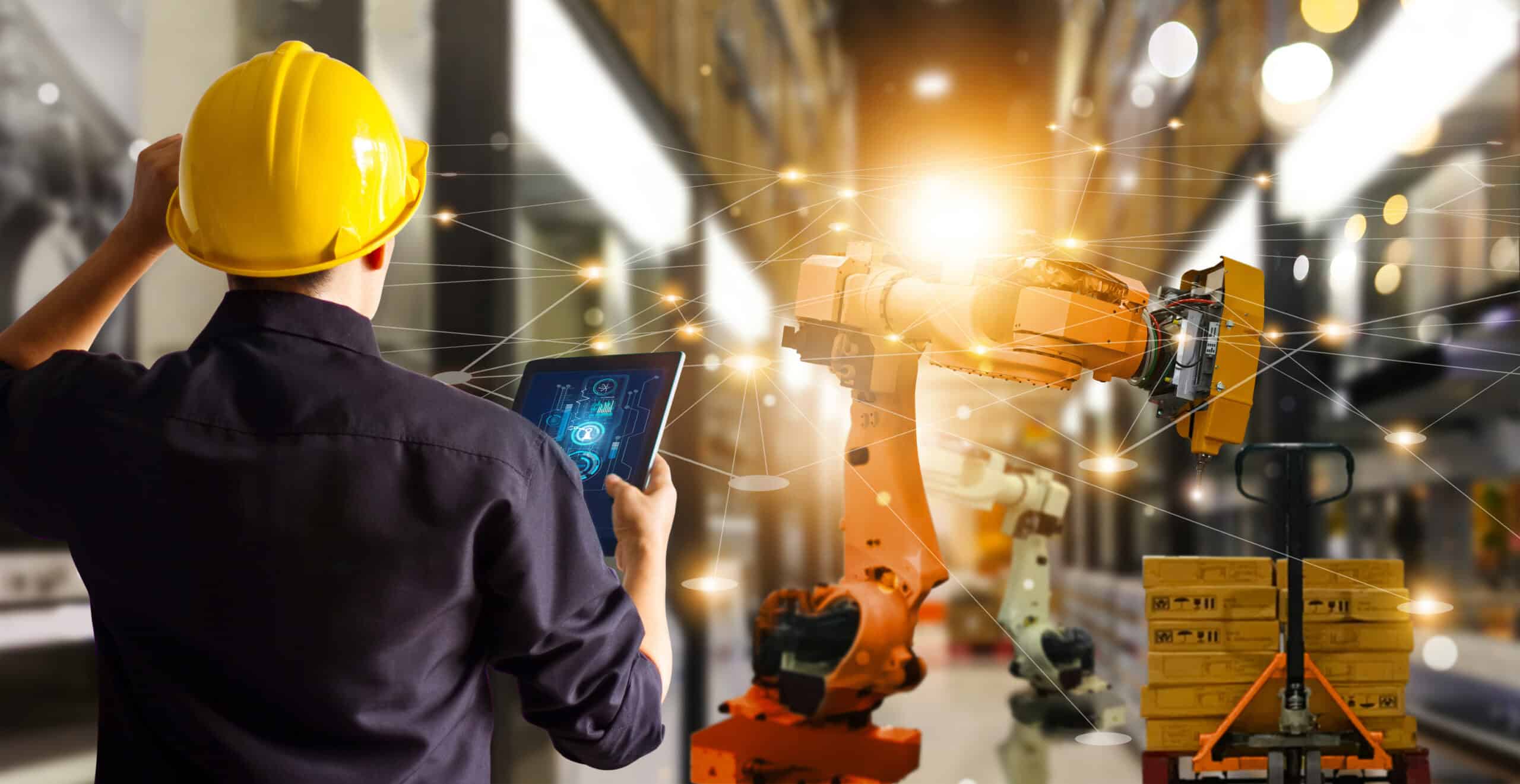
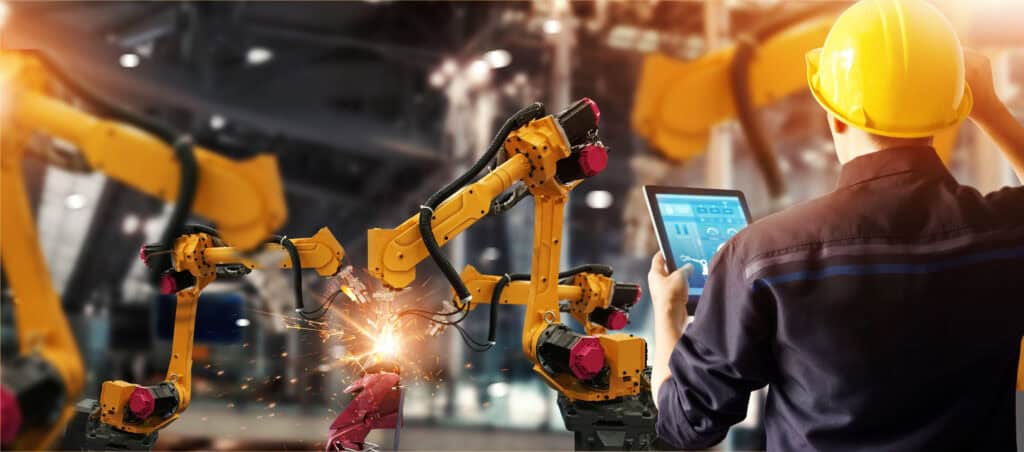
One of Century Conveyor Systems’ greatest strengths is integrating multiple automation technologies into a single coordinated operation.
Modern warehouse automation extends far beyond conveyors alone. Today’s facilities often require communication between numerous technologies, including:
- Automated Guided Vehicles (AGVs)
- Autonomous Mobile Robots (AMRs)
- Warehouse Management Systems (WMS)
- Warehouse Control Systems (WCS)
- PLC controls
- Automated sortation systems
- Print-and-apply equipment
- Robotic palletizing cells
- Storage and retrieval systems
Rather than allowing these technologies to operate independently, Century engineers complete automation ecosystems where each component communicates with the others.
For example, warehouse software can direct inventory movement while conveyors transport products automatically, robotics complete repetitive transportation tasks, and automated sortation equipment routes packages to the correct shipping destination.
This coordinated approach improves overall warehouse visibility while reducing delays between processes.
Instead of isolated automation islands, businesses receive one integrated solution designed around the complete fulfillment workflow.
FAQ 5: Are Century Conveyor Systems’ automated conveyor systems scalable?
Scalability is one of the primary reasons businesses invest in warehouse automation.
Many facilities experience changing order volumes throughout the year. Seasonal peaks, business growth, new customers, or expanded product lines can quickly overwhelm systems that were designed only for current demand.
Century Conveyor Systems engineers automation solutions with long-term growth in mind.
Rather than replacing entire conveyor systems every few years, businesses can often expand existing automation by adding new conveyor sections, integrating additional robotics, increasing sortation capacity, or implementing new warehouse technologies as operational requirements evolve.
This modular philosophy helps protect automation investments while allowing facilities to adapt to changing business conditions.
Scalable systems also reduce operational disruption because future expansion often builds upon existing infrastructure instead of requiring complete redesigns.
For growing warehouses, this flexibility provides significant long-term value.
FAQ 6: Which industries benefit most from Century Conveyor Systems’ automated conveyor systems?
Automated conveyor systems can improve operations across a wide variety of industries that depend on efficient material movement.
Century Conveyor Systems supports facilities handling products that move in:
- Boxes
- Cartons
- Totes
- Polybags
- Pallets
- Drums
Common applications include:
- E-commerce fulfillment
- Third-party logistics (3PL)
- Retail distribution
- Manufacturing
- Consumer packaged goods
- Industrial distribution
- Wholesale operations
- Cross-dock facilities
Because every industry has different operational challenges, Century customizes each automation system according to product dimensions, shipping methods, throughput requirements, warehouse layouts, and available floor space.
Instead of offering identical systems across industries, Century tailors every solution to support the customer’s specific operational objectives.
FAQ 7: How do automated conveyor systems reduce labor dependency without replacing employees?
Warehouse labor shortages remain one of the largest operational challenges facing distribution facilities.
Automated conveyor systems help address this challenge by reducing repetitive transportation tasks rather than eliminating the need for skilled employees.
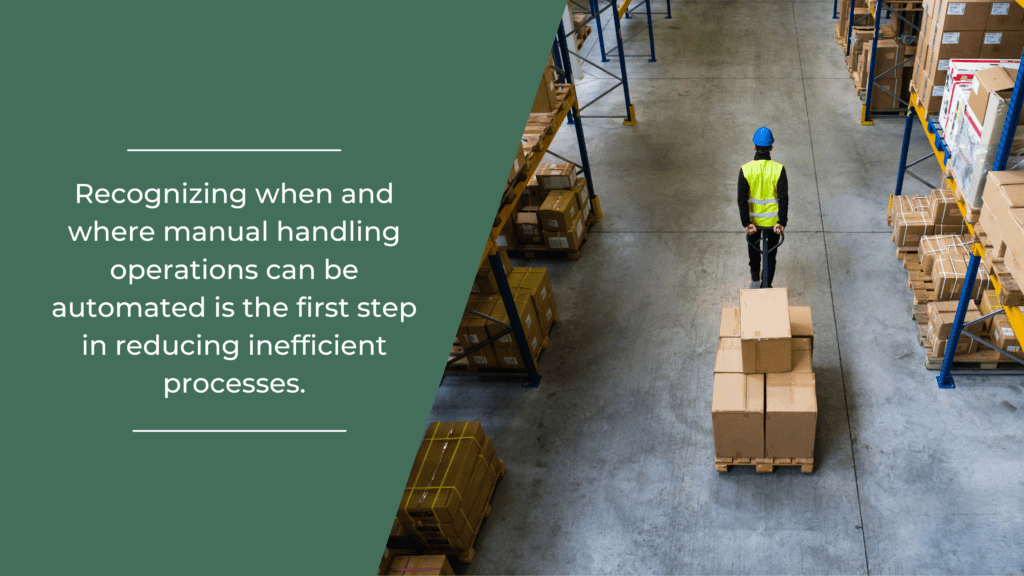
Without conveyors, workers often spend a significant portion of their shift walking products between workstations, pushing carts, or moving inventory manually.
These activities add little value while consuming valuable labor hours.
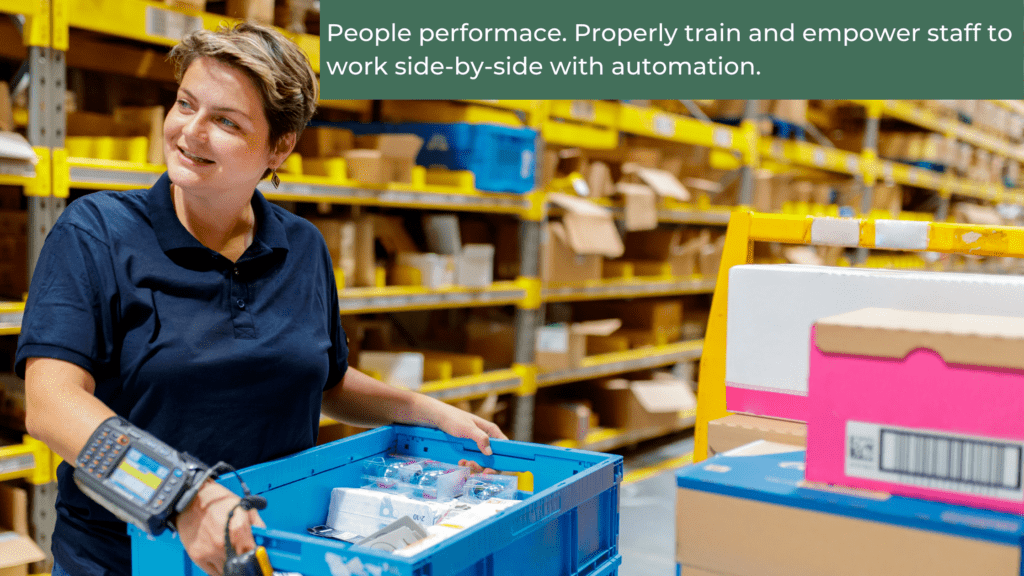
Century Conveyor Systems automates product transportation so employees can focus on higher-value responsibilities such as quality control, exception handling, equipment oversight, inventory management, customer service, and operational decision-making.
Automation also helps improve workplace ergonomics by reducing repetitive lifting and unnecessary travel throughout large facilities.
As a result, businesses can often improve productivity while making better use of available labor resources.
FAQ 8: What ongoing support does Century Conveyor Systems provide after installation?
Installing an automated conveyor system is only one phase of a successful automation project.
Long-term performance depends on proper maintenance, technical support, replacement parts, and system optimization.
Century Conveyor Systems continues supporting customers after installation through services that include:
- Preventative maintenance
- Conveyor repairs
- Replacement parts
- Equipment upgrades
- Modernization projects
- Technical support
- System optimization
As operational requirements change over time, Century can also retrofit existing systems with new technologies, allowing customers to modernize automation without necessarily replacing every component.
This long-term partnership helps maximize system uptime while protecting the customer’s investment for years after implementation.
Final Thoughts
Businesses searching for automated conveyor systems are often looking for more than equipment—they need a strategic automation partner capable of improving the performance of their entire warehouse operation.
Century Conveyor Systems takes a comprehensive approach by designing customized material handling solutions that integrate conveyors, robotics, controls, warehouse software, and sortation technologies into one unified system. From initial engineering and system validation to installation, startup support, maintenance, and future modernization, the company focuses on helping warehouses increase throughput, improve order accuracy, reduce manual handling, and prepare for long-term growth.
For organizations planning to modernize their fulfillment, distribution, or manufacturing operations, Century Conveyor Systems’ turnkey automation solutions provide a scalable foundation for greater efficiency, higher productivity, and stronger operational performance.