Conveyor Belt Maintenance FAQ 101: Your Complete Guide to Century Conveyor Systems’ Amazing Maintenance Services

conveyor belt maintenance

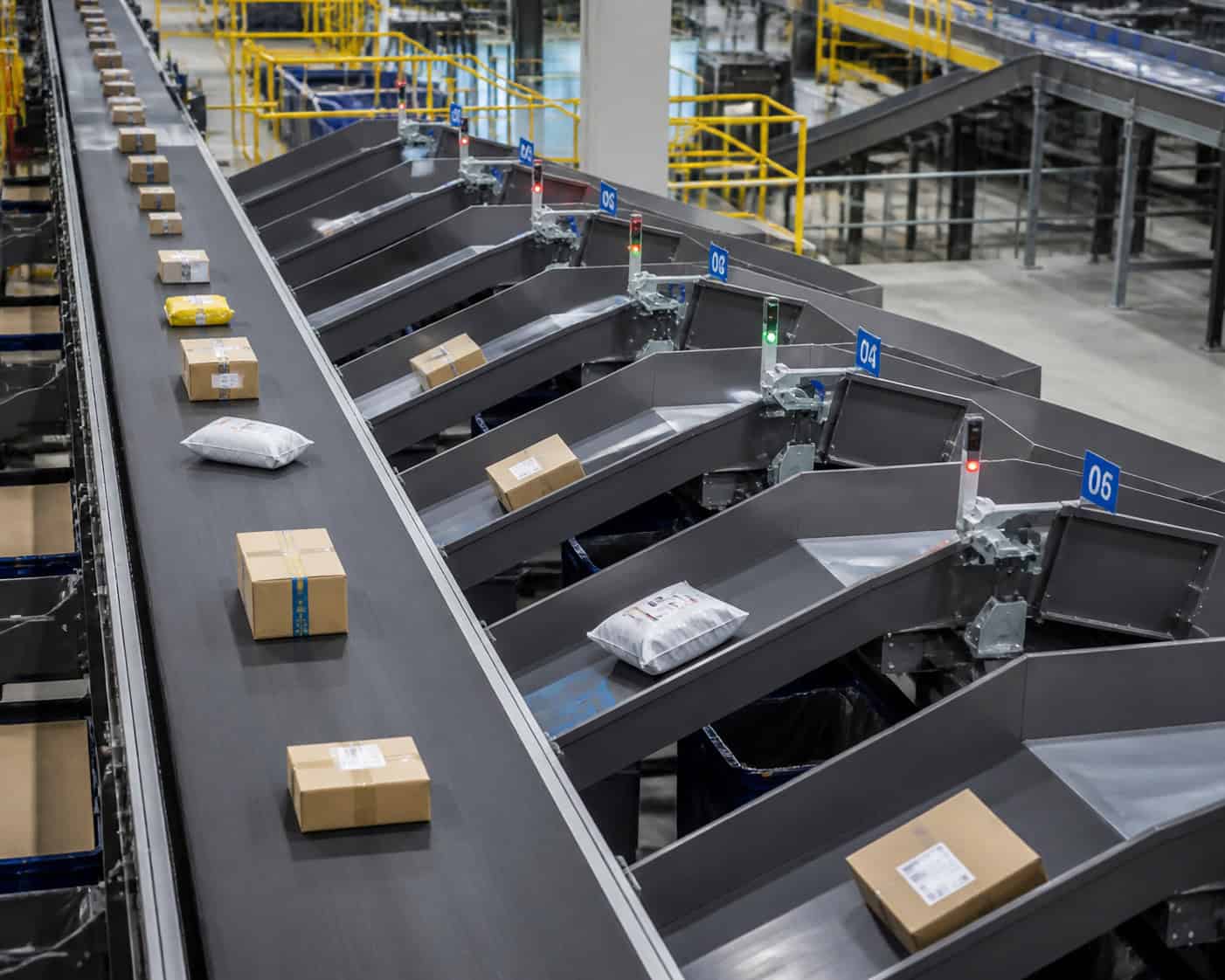
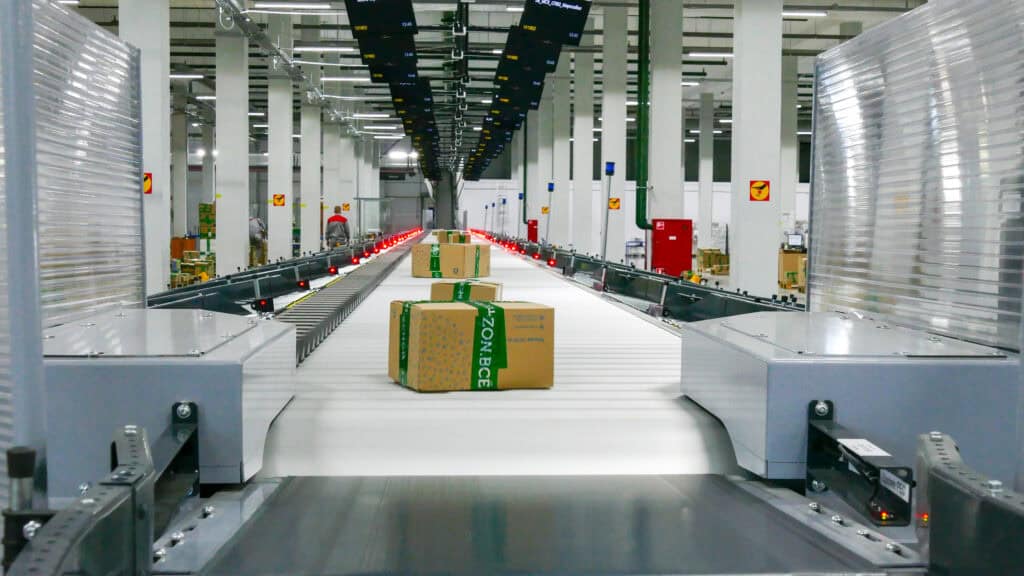
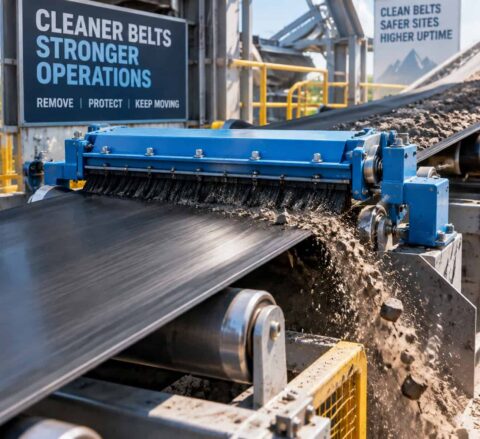
Conveyor belt maintenance is one of the most important investments a warehouse, distribution center, manufacturing facility, or order fulfillment operation can make. A conveyor system serves as the backbone of daily operations, transporting products efficiently between receiving, storage, picking, packing, sortation, and shipping. When a conveyor experiences unexpected downtime, the resulting delays can quickly impact productivity, labor efficiency, customer satisfaction, and profitability.

Century Conveyor Systems understands that effective conveyor belt maintenance is about much more than fixing equipment after a failure occurs. Their approach focuses on preventative maintenance, rapid response, technical expertise, and customized service strategies that maximize equipment reliability while extending the life of valuable material handling systems.

Below are some of the most frequently asked questions about conveyor belt maintenance and how Century Conveyor Systems helps businesses protect their automation investments.

conveyor belt maintenance

FAQ 1: Why is conveyor belt maintenance so important?

Conveyor belt maintenance is essential because conveyor systems are often responsible for moving thousands of products every hour. If even one critical component fails, the disruption can spread throughout an entire facility.

A properly maintained conveyor system provides several operational advantages, including:

  • Reduced unplanned downtime
  • Improved employee productivity
  • Increased order accuracy
  • Longer equipment lifespan
  • Lower repair costs
  • Better workplace safety

Waiting until equipment breaks usually results in higher repair costs and more extensive operational interruptions. Preventative maintenance helps identify worn components before they fail, allowing repairs to be completed during scheduled maintenance windows rather than emergency shutdowns.

For facilities that rely on continuous product flow, proactive maintenance becomes a competitive advantage instead of simply another operating expense. Century Conveyor Systems emphasizes preventative service programs because keeping conveyors operating consistently is significantly more cost-effective than reacting to unexpected failures.


FAQ 2: What makes Century Conveyor Systems different from other conveyor belt maintenance providers?

One of Century Conveyor Systems’ biggest strengths is that the company approaches maintenance from the perspective of a complete automation integrator rather than simply a repair contractor.

Many maintenance providers focus only on replacing broken components. Century supports conveyor systems throughout their entire lifecycle—from engineering and installation to modernization, repairs, preventative maintenance, replacement parts, and ongoing technical support.

Because Century designs and integrates complete warehouse automation solutions, their technicians understand how every conveyor interacts with larger operational systems, including:

  • Conveyor controls
  • Sortation equipment
  • Warehouse automation
  • Order fulfillment workflows
  • Material handling processes

This broader understanding allows maintenance technicians to identify root causes instead of merely addressing symptoms.

Rather than repeatedly repairing the same issue, Century’s maintenance teams evaluate how mechanical, electrical, and controls-related components work together to improve long-term system reliability. This comprehensive approach helps customers minimize recurring issues while improving overall operational performance.


FAQ 3: What does Century Conveyor Systems include in its preventative conveyor belt maintenance programs?

Preventative maintenance is designed to reduce the likelihood of equipment failures before they occur.

Instead of waiting for belts to become damaged, bearings to fail, or motors to stop unexpectedly, Century Conveyor Systems performs scheduled inspections and maintenance activities that help facilities maintain consistent performance.

A preventative maintenance program typically includes:

  • Inspection of conveyor belts for wear and tracking issues
  • Roller and pulley inspections
  • Belt tension verification
  • Motor and gearbox evaluations
  • Electrical system inspections
  • Controls and sensor testing
  • Lubrication of required components
  • Identification of worn or damaged parts
  • Maintenance documentation and reporting

One of the biggest benefits of Century’s maintenance strategy is the detailed reporting provided after each service visit.

Rather than simply completing repairs, technicians document current equipment conditions, identify developing concerns, recommend corrective actions, and help facility managers prioritize future maintenance needs. This allows businesses to budget for repairs proactively while reducing the risk of unexpected failures.

The result is greater reliability, longer equipment life, and improved operational efficiency.


FAQ 4: How does Century Conveyor Systems support modern order fulfillment operations?

Today’s order fulfillment facilities operate under greater pressure than ever before.

Customers expect faster shipping, higher order accuracy, and shorter delivery windows. Conveyor systems must support continuous product movement throughout receiving, storage, picking, packing, sortation, and shipping processes.

Century Conveyor Systems has extensive experience designing and supporting conveyor solutions specifically for order fulfillment environments.

Their understanding of warehouse automation allows maintenance strategies to support not only equipment reliability but also operational throughput.

Instead of viewing conveyor maintenance as an isolated repair function, Century aligns maintenance with broader fulfillment goals, including:

  • Maintaining continuous product flow
  • Supporting high-volume order processing
  • Reducing manual product handling
  • Minimizing shipping delays
  • Improving warehouse efficiency
  • Protecting customer service performance

Because Century understands how fulfillment operations function as complete systems, maintenance recommendations are made with productivity, throughput, and operational continuity in mind—not simply mechanical repairs.


FAQ 5: How does Century Conveyor Systems reduce long-term maintenance costs?

Many organizations evaluate conveyor maintenance based only on immediate service costs. However, the true cost of conveyor ownership includes downtime, labor expenses, emergency repairs, equipment replacement, and lost productivity.

Century Conveyor Systems helps customers reduce these long-term costs through several strategies.

Proactive Maintenance

Routine inspections allow technicians to replace worn components before catastrophic failures occur.

Early Problem Detection

Small alignment issues, damaged rollers, worn belts, or failing bearings are identified before they create larger system failures.

Replacement Parts Support

Century assists customers with replacement conveyor parts and equipment, helping facilities maintain critical spare parts and minimize delays when repairs are needed.

Lifecycle Planning

Maintenance recommendations are based on the entire lifecycle of conveyor equipment rather than isolated repairs.

This proactive approach reduces emergency service calls while helping businesses maximize the return on their automation investment. Preventative maintenance almost always costs less than recovering from major equipment failures that interrupt production or fulfillment schedules.


FAQ 6: Why is technical expertise important in conveyor belt maintenance?

Modern conveyor systems are significantly more sophisticated than they were years ago.

Today’s automated facilities combine mechanical equipment with advanced electrical systems, programmable controls, scanners, sensors, and warehouse automation software.

When problems occur, the root cause may not be obvious.

For example, what appears to be a mechanical issue could actually result from:

  • Sensor failures
  • Control system errors
  • Electrical faults
  • Software communication issues
  • Automation integration problems

Century Conveyor Systems provides maintenance support across mechanical, electrical, and controls disciplines.

This multidisciplinary expertise reduces troubleshooting time because customers do not need multiple service providers to diagnose interconnected systems.

Instead, Century technicians can evaluate the complete conveyor system, allowing facilities to restore operations faster while minimizing unnecessary repairs.

The ability to diagnose complete automation systems is one of the reasons many businesses choose Century as a long-term maintenance partner rather than relying solely on reactive repair services.


FAQ 7: How does Century Conveyor Systems respond when unexpected conveyor problems occur?

Even with excellent preventative maintenance, emergency situations can occasionally arise.

When they do, response time becomes critical.

A conveyor outage can delay shipments, reduce throughput, create bottlenecks, increase labor costs, and negatively impact customer satisfaction.

Century Conveyor Systems supports customers with rapid service capabilities designed to restore operations as quickly as possible.

Their service organization includes:

  • Emergency repair services
  • Experienced conveyor technicians
  • Remote troubleshooting assistance
  • Mechanical repairs
  • Electrical diagnostics
  • Controls troubleshooting

Rather than simply dispatching technicians, Century also offers remote diagnostic capabilities that may resolve certain issues without requiring immediate on-site service.

Fast diagnosis often shortens downtime considerably, helping facilities resume production sooner while minimizing operational disruptions.

For businesses operating around demanding shipping schedules, responsive maintenance support can make a significant difference in maintaining customer commitments.


FAQ 8: Why are customized conveyor belt maintenance plans better than generic service schedules?

No two facilities operate exactly the same way.

A high-volume e-commerce distribution center has very different maintenance requirements than a manufacturing plant, food distribution warehouse, healthcare logistics operation, or third-party logistics provider.

Century Conveyor Systems develops maintenance programs that reflect each customer’s operational environment.

Factors considered include:

  • Conveyor operating hours
  • Throughput requirements
  • Equipment age
  • Environmental conditions
  • Product characteristics
  • Facility size
  • Automation complexity
  • Production schedules

Instead of applying identical maintenance intervals to every customer, Century tailors preventative maintenance schedules to match actual operating conditions.

This customized strategy helps customers avoid unnecessary service while ensuring equipment receives the attention required to maintain peak performance.

Customized maintenance plans ultimately improve reliability while making maintenance budgets more efficient and predictable.


Conclusion

Conveyor belt maintenance is not simply about repairing equipment after something breaks. The most successful facilities understand that preventative maintenance, technical expertise, rapid support, and long-term planning are essential for protecting productivity and maximizing automation investments.

Century Conveyor Systems delivers a comprehensive maintenance approach by combining preventative service programs, mechanical and controls expertise, responsive technical support, replacement parts assistance, and customized maintenance planning. Their experience with warehouse automation and order fulfillment environments enables them to help customers reduce downtime, improve equipment reliability, extend conveyor lifespan, and maintain efficient operations.

Whether your facility supports manufacturing, distribution, or high-volume order fulfillment, investing in professional conveyor belt maintenance from Century Conveyor Systems can help keep your conveyor systems operating safely, efficiently, and reliably for years to come.

Impressive Conveyor Installation Services FAQ 101: Everything You Need to Know About Century Conveyor Systems

conveyor installation services

Conveyor installation services is one of the most important investments a warehouse, distribution center, or manufacturing facility can make. While choosing the right conveyor equipment is essential, the quality of the installation has just as much impact on system performance, reliability, safety, and long-term return on investment.

Century Conveyor Systems provides comprehensive conveyor installation services as part of its turnkey material handling automation solutions. Rather than simply assembling equipment, Century manages the planning, engineering, installation, integration, testing, and startup of complete conveyor systems designed around each customer’s operational goals.

Below are answers to some of the most common questions about Century Conveyor Systems’ conveyor installation services.

conveyor installation services

What makes Century Conveyor Systems’ conveyor installation services different?

Century Conveyor Systems approaches installation as part of a complete system integration project instead of treating it as a standalone construction task.

This means the installation team works alongside engineers, project managers, controls specialists, and automation experts throughout the entire project lifecycle. Rather than coordinating multiple contractors, customers work with one experienced partner that oversees every phase—from system design through final commissioning.

This integrated approach offers several advantages:

  • Better communication between engineering and field installation teams
  • Fewer compatibility issues between mechanical and electrical systems
  • More efficient scheduling throughout the project
  • Reduced installation delays
  • Faster startup and operational readiness

Because Century manages every stage of the project, each installation is performed with the original system objectives in mind, helping facilities reach targeted throughput, efficiency, and productivity goals.


What types of conveyor systems can Century install?

Century Conveyor Systems installs a wide variety of automated material handling solutions for warehouses and distribution facilities.

Its conveyor installation services include systems such as:

  • Belt conveyors
  • Roller conveyors
  • Pallet handling conveyors
  • Trailer extendable conveyors
  • Sortation conveyors
  • Shipping conveyors
  • Distribution conveyors
  • Order fulfillment conveyor systems

In addition to conveyor equipment, Century also integrates complementary warehouse automation technologies including robotics, warehouse control systems (WCS), warehouse management systems (WMS), programmable logic controls (PLC), print-and-apply equipment, storage modules, palletizing systems, and automated guided vehicle (AGV) or autonomous mobile robot (AMR) solutions.

This allows customers to create a complete automated workflow instead of adding isolated pieces of equipment over time.


How does Century manage an entire conveyor installation project?

One of the biggest advantages of working with Century Conveyor Systems is its turnkey project management process.

Large warehouse automation projects involve many moving parts, including:

  • Engineering
  • Mechanical installation
  • Electrical installation
  • Controls programming
  • Equipment coordination
  • Contractor scheduling
  • System testing
  • Startup support

Managing each of these independently can create scheduling conflicts and costly delays.

Century assigns experienced project managers who coordinate every aspect of the installation. They oversee communication between engineers, installers, contractors, inspectors, and customer stakeholders to keep the project organized from beginning to end.

This centralized management helps ensure installation milestones stay on schedule while minimizing disruptions to existing warehouse operations.


Does Century provide engineering before installation begins?

Yes.

Successful conveyor installation begins long before the first conveyor section arrives on-site.

Century’s engineering team develops detailed system layouts, validates equipment selection, and designs automated material handling solutions tailored to each facility’s operational requirements.

The engineering process may include:

  • Warehouse layout planning
  • Equipment selection
  • Conveyor routing
  • Capacity planning
  • Mechanical engineering
  • AutoCAD system drawings
  • Controls engineering
  • Automation validation

By completing extensive planning before installation begins, Century reduces the likelihood of unexpected field modifications that can increase costs and delay project completion.

Proper engineering also ensures that each conveyor system supports future operational growth rather than simply solving today’s production challenges.


Can Century integrate conveyors with warehouse automation systems?

Absolutely.

Modern conveyor installation services involve much more than installing mechanical equipment.

Today’s distribution centers depend on integrated automation that allows conveyors to communicate with scanners, sensors, robotics, warehouse software, and control systems.

Century installs and integrates technologies such as:

  • Warehouse Control Systems (WCS)
  • Warehouse Management Systems (WMS)
  • PLC controls
  • Human Machine Interfaces (HMI)
  • Barcode scanning
  • Print-and-apply systems
  • Sortation controls
  • Robotic fulfillment equipment

This integration allows products to move efficiently through receiving, storage, picking, packing, sorting, and shipping while reducing manual intervention.

Instead of functioning as separate pieces of equipment, every component works together as one coordinated material handling system.


What industries benefit from Century’s conveyor installation services?

Century Conveyor Systems primarily serves facilities where efficient material movement is essential to productivity.

Its conveyor installation services support industries including:

  • E-commerce fulfillment
  • Retail distribution
  • Third-party logistics (3PL)
  • Manufacturing
  • Pharmaceutical distribution
  • Beverage distribution
  • Consumer goods
  • Shipping and parcel operations
  • Warehouse distribution centers

Because every operation has unique workflows, Century designs installations around specific operational requirements instead of relying on standardized conveyor layouts.

Whether a facility is processing cartons, totes, pallets, polybags, drums, or mixed products, the installation is customized to improve throughput and workflow efficiency.


Can Century install new conveyor systems while modernizing existing facilities?

Yes.

Many businesses need to improve productivity without constructing an entirely new warehouse.

Century offers retrofit and modernization services that allow customers to upgrade existing conveyor systems while preserving portions of their current infrastructure whenever practical.

These projects may involve:

  • Removing outdated conveyor equipment
  • Expanding conveyor lines
  • Relocating existing systems
  • Integrating newer automation technologies
  • Updating controls
  • Reconfiguring layouts for higher throughput

This approach allows facilities to modernize operations while making strategic use of existing investments.


Does Century provide electrical installation as part of its conveyor installation services?

Yes.

Mechanical installation is only one portion of a successful conveyor project.

Century also performs electrical installation and system wiring as part of its integrated services.

Electrical work may include:

  • Equipment power distribution
  • Control panel installation
  • Sensor wiring
  • Motor connections
  • PLC integration
  • Communication network installation
  • Automation controls

Because both mechanical and electrical teams work together throughout the project, startup and commissioning can proceed more efficiently than when separate contractors handle each phase independently.


What happens after the conveyor installation is complete?

Installation is only the beginning of a conveyor system’s operational life.

After installation, Century supports customers through startup, testing, validation, and ongoing service.

Post-installation support includes:

  • System startup assistance
  • Operational testing
  • Performance verification
  • Preventive maintenance
  • Conveyor repair
  • Replacement parts
  • Technical support
  • Emergency service

This long-term support helps facilities maintain reliable operation while reducing unexpected downtime.

Rather than ending the relationship after installation, Century continues supporting customers throughout the life of their automation investment.


Why is professional conveyor installation important?

Even the highest-quality conveyor equipment can experience unnecessary downtime if it is installed incorrectly.

Professional conveyor installation helps ensure:

  • Proper conveyor alignment
  • Accurate equipment positioning
  • Reliable electrical integration
  • Safe system operation
  • Efficient product flow
  • Reduced maintenance requirements
  • Improved equipment lifespan
  • Faster return on investment

Installation errors can create recurring maintenance issues, production bottlenecks, safety concerns, and reduced system performance.

Working with an experienced conveyor integrator like Century helps minimize these risks while ensuring the system performs according to its original engineering specifications.


How does Century support order fulfillment operations?

Order fulfillment facilities require conveyor systems capable of moving products efficiently through multiple processing stages without creating bottlenecks.

Century designs and installs order fulfillment systems that integrate conveyors with automation technologies such as robotics, storage systems, sortation equipment, and warehouse software.

These systems are engineered to streamline operations including:

  • Receiving
  • Picking
  • Packing
  • Sorting
  • Shipping
  • Inventory movement

By integrating conveyors with warehouse automation, businesses can increase throughput, improve order accuracy, reduce manual handling, and support future operational growth.


Is Century Conveyor Systems a good choice for conveyor installation services?

Businesses looking for a long-term automation partner often benefit from working with an integrator that offers far more than installation alone.

Century Conveyor Systems combines engineering, project management, mechanical installation, electrical installation, controls integration, startup support, maintenance, and ongoing service under one organization. This comprehensive approach helps eliminate many of the coordination challenges associated with large material handling projects.

For warehouses, distribution centers, and fulfillment operations planning new automation or upgrading existing systems, Century’s conveyor installation services are designed to deliver reliable performance from the earliest planning stages through years of ongoing operation. Whether the project involves a standalone conveyor line or a fully integrated warehouse automation system, Century provides the technical expertise and lifecycle support needed to help facilities maximize efficiency and productivity.

Overhead Conveyor Systems FAQ 101: Everything You Need to Know About Century Conveyor Systems’ Overhead Conveyor Solutions

overhead conveyor systems

When warehouses, manufacturing facilities, and distribution centers need to maximize floor space while improving material flow, overhead conveyor systems are often one of the most effective automation solutions available. Instead of moving products across valuable floor space, overhead conveyors transport items above workstations, equipment, and employees, creating a more organized and efficient operation.

Century Conveyor Systems specializes in designing complete material handling automation solutions tailored to each customer’s facility and operational goals. Rather than offering one-size-fits-all equipment, the company engineers integrated conveyor systems that improve throughput, reduce manual handling, and support long-term business growth. Their approach combines conveyors with warehouse controls, robotics, software integration, sortation systems, and other automation technologies to create a unified material handling solution.

Below are answers to some of the most common questions businesses ask about Century Conveyor Systems’ overhead conveyor systems.

overhead conveyor systems

FAQ 1: What are overhead conveyor systems?

Overhead conveyor systems are automated material handling systems that transport products, components, cartons, or assemblies along an elevated track suspended from the ceiling or building structure. Instead of occupying floor space, products move overhead, allowing employees, forklifts, carts, and other equipment to operate freely underneath.

Unlike traditional floor-mounted conveyors, overhead conveyor systems make better use of unused vertical space. This allows facilities to increase production capacity without necessarily expanding their building footprint.

Depending on the application, overhead conveyor systems may transport:

  • Manufacturing components
  • Finished products
  • Hanging garments
  • Automotive parts
  • Industrial assemblies
  • Paint line components
  • Warehouse inventory
  • Packaging materials

Century Conveyor Systems designs complete conveyor solutions based on each customer’s operational requirements. Rather than simply installing conveyor equipment, the company evaluates product flow, facility layout, throughput requirements, labor strategies, and future expansion plans before recommending the best automation approach.


FAQ 2: Why should a business choose an overhead conveyor system instead of a floor conveyor?

One of the biggest advantages of overhead conveyor systems is their ability to maximize usable floor space.

Warehouse and manufacturing facilities often struggle with congestion created by forklifts, carts, pallets, staging areas, and traditional conveyor lines. Every square foot occupied by equipment reduces available workspace and may create operational bottlenecks.

By relocating product transportation overhead, businesses gain several important advantages.

Improved Floor Utilization

Employees have more room to work safely and efficiently.

Forklifts can travel with fewer obstructions.

Additional production equipment can often be installed without relocating conveyor infrastructure.

Better Traffic Flow

Separating product movement from employee traffic helps reduce congestion throughout the facility.

This becomes especially valuable during peak production periods when multiple departments are operating simultaneously.

Increased Operational Efficiency

Products continue moving automatically without relying on manual transportation between workstations.

Instead of workers spending time moving inventory, they can focus on higher-value production, assembly, picking, or quality control tasks.

Century Conveyor Systems approaches each project by identifying opportunities to improve workflow while minimizing unnecessary product handling. Their engineering process focuses on increasing throughput, reducing errors, and improving overall warehouse efficiency.


FAQ 3: Which industries benefit most from Century Conveyor Systems’ overhead conveyor systems?

Overhead conveyor systems are extremely versatile because they can be customized for many different industries and product types.

Some of the industries that commonly benefit include:

Manufacturing

Manufacturers often use overhead conveyors to transport parts between fabrication, assembly, inspection, finishing, and packaging stations.

Continuous movement helps eliminate production delays while reducing manual handling.

Distribution Centers

Distribution operations frequently need to move large volumes of products while maintaining clear forklift aisles and picking zones.

An overhead conveyor can improve workflow while preserving valuable floor space.

E-Commerce Fulfillment

Order fulfillment facilities depend on fast, predictable product movement.

Overhead systems can support receiving, picking, packing, and shipping operations while integrating with other warehouse automation technologies.

Automotive

Automotive manufacturers regularly transport components, frames, and assemblies using overhead conveyor systems that support sequential production processes.

Consumer Goods

Facilities producing packaged goods often rely on overhead transport to improve production efficiency while minimizing floor congestion.

Century Conveyor Systems serves a wide variety of industries by engineering customized material handling systems that match each customer’s operational objectives rather than forcing standard equipment into unique environments.


FAQ 4: Can Century Conveyor Systems integrate overhead conveyor systems with warehouse automation?

Yes.

One of Century Conveyor Systems’ greatest strengths is its ability to integrate overhead conveyor systems into larger automation environments rather than treating them as standalone equipment.

Modern warehouses rarely depend on a single technology.

Instead, successful facilities combine multiple automation systems into one coordinated operation.

Depending on the application, an overhead conveyor system may work alongside:

  • Warehouse Management Systems (WMS)
  • Warehouse Control Systems (WCS)
  • PLC controls
  • Barcode scanning
  • Automated sortation equipment
  • Robotic palletizing systems
  • Automated Guided Vehicles (AGVs)
  • Autonomous Mobile Robots (AMRs)
  • Print-and-apply labeling systems

Because Century Conveyor Systems specializes in complete system integration, every technology is engineered to work together, creating smooth product flow from receiving through shipping.

This integrated approach reduces bottlenecks while improving visibility throughout warehouse operations.


FAQ 5: How do overhead conveyor systems improve order fulfillment?

Order fulfillment depends on speed, accuracy, and consistency.

Every unnecessary product touch adds labor costs while increasing the opportunity for shipping errors or damaged products.

Century Conveyor Systems designs order fulfillment solutions that optimize each stage of warehouse operations, from receiving inventory to shipping completed orders. Their objective is to improve output performance, reduce errors, minimize product handling, and process orders more efficiently.

An overhead conveyor system contributes to these goals in several ways.

Continuous Product Flow

Products move automatically between workstations without waiting for manual transportation.

Reduced Labor Requirements

Employees spend less time pushing carts or carrying products across long warehouse distances.

Faster Throughput

Automated transportation keeps products moving consistently throughout the operation.

Improved Organization

Clearly defined material flow reduces confusion and minimizes cross-traffic between departments.

Greater Scalability

As order volumes increase, additional automation technologies can often be integrated without redesigning the entire facility.

Together, these improvements help fulfillment centers process more orders while maintaining high levels of accuracy.


FAQ 6: Are Century Conveyor Systems’ overhead conveyor systems customized?

Absolutely.

Every facility has unique operational requirements.

Product dimensions, ceiling height, throughput goals, available space, labor availability, production schedules, and future growth plans all influence system design.

Instead of selling standard conveyor layouts, Century Conveyor Systems develops engineered solutions specifically for each customer’s operation.

Their project process typically includes:

  • Facility evaluation
  • Workflow analysis
  • Engineering design
  • System validation
  • Equipment integration
  • Installation
  • Startup support
  • Ongoing service and maintenance

This customized engineering approach allows businesses to receive a conveyor system designed around their long-term operational strategy rather than today’s immediate needs alone.


FAQ 7: Why choose Century Conveyor Systems for an overhead conveyor project?

Choosing a conveyor supplier is about much more than purchasing equipment.

The quality of the engineering, integration, implementation, and long-term support often determines whether an automation project delivers lasting value.

Century Conveyor Systems differentiates itself by serving as a full-service material handling system integrator.

Rather than supplying individual conveyor components, the company manages the entire project lifecycle—from initial system design through installation, startup, and ongoing support. Their engineers evaluate how products move through a facility and recommend solutions that improve throughput, reduce labor costs, and support future expansion.

Businesses also benefit from Century’s broad automation expertise, which includes:

  • Conveyor systems
  • Sortation equipment
  • Robotic fulfillment
  • Robotic palletizing
  • Warehouse controls
  • Software integration
  • Storage systems
  • Conveyor service and maintenance
  • Replacement parts support

This comprehensive approach helps ensure every automation component works together as one efficient system.


Frequently Asked Questions

What products can overhead conveyor systems transport?

Depending on the application, overhead conveyor systems can transport cartons, parts, assemblies, garments, industrial components, packaged goods, and many other materials.

Can overhead conveyor systems work with warehouse robotics?

Yes. Century Conveyor Systems designs integrated automation solutions that combine conveyors with AGVs, AMRs, robotic palletizing, warehouse software, and control systems.

Are overhead conveyor systems suitable for growing businesses?

Yes. Because Century Conveyor Systems engineers scalable automation solutions, many systems can be expanded or integrated with additional technologies as operational requirements evolve.

Does Century Conveyor Systems only install conveyors?

No. Century Conveyor Systems provides complete material handling automation solutions that include conveyors, robotics, warehouse controls, software, storage systems, sortation equipment, installation, startup support, service, and maintenance.

Conclusion

Overhead conveyor systems offer an effective way to increase productivity while making better use of valuable facility space. By moving products above the production floor, businesses can reduce congestion, improve workflow, increase throughput, and create safer, more organized operations.

Century Conveyor Systems goes beyond supplying conveyor equipment by engineering complete material handling automation solutions tailored to each customer’s unique goals. Through customized system design, integration with warehouse technologies, and ongoing support, Century helps manufacturers, distribution centers, and fulfillment operations build scalable automation systems that improve efficiency today while preparing for future growth.

Automated Conveyor Systems FAQ 101: Your Complete Guide to Century Conveyor Systems’ Warehouse Automation Solutions

automated conveyor systems

Modern warehouses and distribution centers need automated conveyor systems because of constant pressure to ship orders faster, improve accuracy, and control labor costs. As order volumes continue to increase, many businesses are replacing manual material handling with automated conveyor systems that keep products moving efficiently from receiving through shipping.

Century Conveyor Systems specializes in designing, engineering, integrating, and supporting turnkey material handling automation solutions for warehouses, distribution centers, and fulfillment operations. Rather than selling standalone conveyor equipment, Century develops customized systems that align with each customer’s operational goals while integrating conveyors, controls, robotics, software, and sortation technologies into one coordinated solution.

Below are answers to some of the most frequently asked questions about Century Conveyor Systems’ automated conveyor systems.

automated conveyor systems

FAQ 1: What are automated conveyor systems?

Automated conveyor systems are integrated material handling solutions that automatically transport products throughout a warehouse or distribution facility with minimal manual intervention.

Instead of relying on employees to move cartons, totes, pallets, drums, or polybags between workstations, automated conveyors continuously move products through receiving, storage, picking, packing, sortation, labeling, palletizing, and shipping.

Century Conveyor Systems designs automated conveyor systems as part of complete warehouse automation projects. Every solution is engineered around the customer’s workflow instead of using a one-size-fits-all design. Depending on operational requirements, a system may include:

  • Belt conveyors
  • Powered roller conveyors
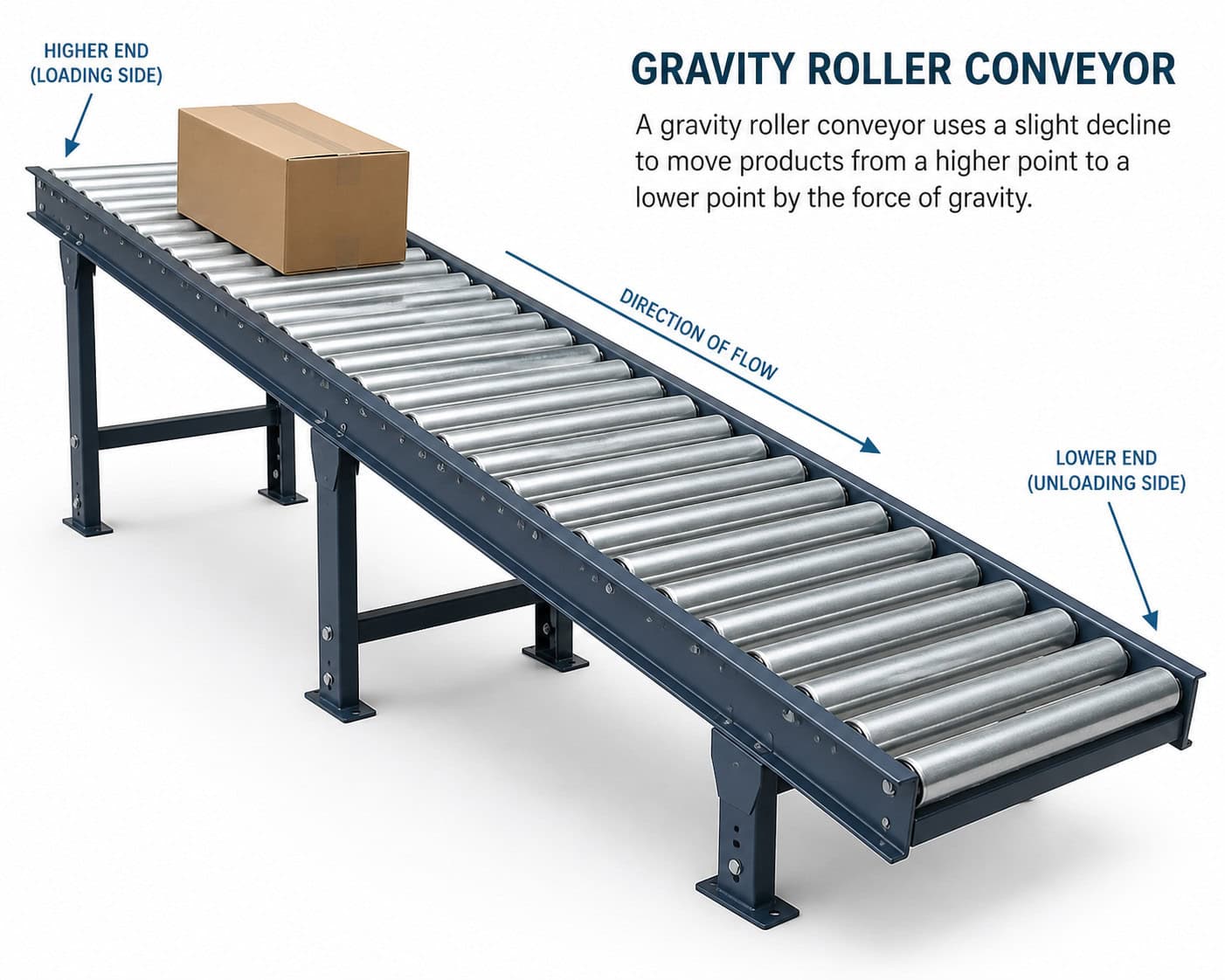
  • Gravity conveyors
  • Pallet handling conveyors
  • Extendable conveyors
  • Spiral conveyors
  • Conveyor diverts
  • Automated sortation equipment
  • Warehouse controls
  • Warehouse software integration
  • Robotic technologies

Because every operation has different throughput goals, product types, facility layouts, and growth plans, Century’s engineering team evaluates each application before recommending the right combination of technologies.


FAQ 2: Why should businesses choose Century Conveyor Systems for automated conveyor systems?

Many conveyor suppliers simply provide equipment.

Century Conveyor Systems delivers complete automation solutions.

This difference has a significant impact on long-term operational performance.

Century manages the entire automation process, including:

  • System design
  • Engineering
  • Validation
  • Equipment integration
  • Installation
  • Startup support
  • Controls implementation
  • Ongoing maintenance
  • Replacement parts and service

This turnkey approach helps eliminate compatibility issues that can occur when multiple vendors supply different portions of a warehouse automation project.

Century also focuses on designing systems around measurable business outcomes instead of equipment specifications alone. Their goal is to increase throughput, reduce labor dependency, improve order accuracy, minimize product damage, and create scalable systems that continue supporting operations as businesses grow.

Rather than forcing customers into standardized layouts, Century develops customized automation strategies that match each facility’s current needs while preparing for future expansion.


FAQ 3: How do Century Conveyor Systems’ automated conveyor systems improve order fulfillment?

Order fulfillment involves much more than simply moving products.

A successful fulfillment operation depends on efficient movement through every stage of the warehouse, including:

  • Receiving inventory
  • Storage
  • Replenishment
  • Order picking
  • Transportation
  • Packing
  • Labeling
  • Sortation
  • Shipping

If products stop moving efficiently at any point, bottlenecks develop that slow the entire operation.

Century Conveyor Systems engineers automated conveyor systems to maintain continuous product flow throughout the warehouse. Instead of requiring employees to manually transport inventory between departments, conveyors automatically move products to the next process with consistent speed and reliability.

This creates several important operational benefits.

First, throughput increases because products spend less time waiting between processes.

Second, employees can spend more time on value-added activities instead of walking long warehouse distances transporting materials.

Third, fewer manual touchpoints reduce opportunities for handling damage and fulfillment errors.

Finally, the entire operation becomes more predictable, allowing managers to better balance labor resources while maintaining consistent shipping performance during both normal operations and seasonal demand spikes.


FAQ 4: Can Century Conveyor Systems integrate automated conveyor systems with robotics and warehouse software?

Yes.

One of Century Conveyor Systems’ greatest strengths is integrating multiple automation technologies into a single coordinated operation.

Modern warehouse automation extends far beyond conveyors alone. Today’s facilities often require communication between numerous technologies, including:

  • Automated Guided Vehicles (AGVs)
  • Autonomous Mobile Robots (AMRs)
  • Warehouse Management Systems (WMS)
  • Warehouse Control Systems (WCS)
  • PLC controls
  • Automated sortation systems
  • Print-and-apply equipment
  • Robotic palletizing cells
  • Storage and retrieval systems

Rather than allowing these technologies to operate independently, Century engineers complete automation ecosystems where each component communicates with the others.

For example, warehouse software can direct inventory movement while conveyors transport products automatically, robotics complete repetitive transportation tasks, and automated sortation equipment routes packages to the correct shipping destination.

This coordinated approach improves overall warehouse visibility while reducing delays between processes.

Instead of isolated automation islands, businesses receive one integrated solution designed around the complete fulfillment workflow.


FAQ 5: Are Century Conveyor Systems’ automated conveyor systems scalable?

Scalability is one of the primary reasons businesses invest in warehouse automation.

Many facilities experience changing order volumes throughout the year. Seasonal peaks, business growth, new customers, or expanded product lines can quickly overwhelm systems that were designed only for current demand.

Century Conveyor Systems engineers automation solutions with long-term growth in mind.

Rather than replacing entire conveyor systems every few years, businesses can often expand existing automation by adding new conveyor sections, integrating additional robotics, increasing sortation capacity, or implementing new warehouse technologies as operational requirements evolve.

This modular philosophy helps protect automation investments while allowing facilities to adapt to changing business conditions.

Scalable systems also reduce operational disruption because future expansion often builds upon existing infrastructure instead of requiring complete redesigns.

For growing warehouses, this flexibility provides significant long-term value.


FAQ 6: Which industries benefit most from Century Conveyor Systems’ automated conveyor systems?

Automated conveyor systems can improve operations across a wide variety of industries that depend on efficient material movement.

Century Conveyor Systems supports facilities handling products that move in:

  • Boxes
  • Cartons
  • Totes
  • Polybags
  • Pallets
  • Drums

Common applications include:

  • E-commerce fulfillment
  • Third-party logistics (3PL)
  • Retail distribution
  • Manufacturing
  • Consumer packaged goods
  • Industrial distribution
  • Wholesale operations
  • Cross-dock facilities

Because every industry has different operational challenges, Century customizes each automation system according to product dimensions, shipping methods, throughput requirements, warehouse layouts, and available floor space.

Instead of offering identical systems across industries, Century tailors every solution to support the customer’s specific operational objectives.


FAQ 7: How do automated conveyor systems reduce labor dependency without replacing employees?

Warehouse labor shortages remain one of the largest operational challenges facing distribution facilities.

Automated conveyor systems help address this challenge by reducing repetitive transportation tasks rather than eliminating the need for skilled employees.

Without conveyors, workers often spend a significant portion of their shift walking products between workstations, pushing carts, or moving inventory manually.

These activities add little value while consuming valuable labor hours.

Century Conveyor Systems automates product transportation so employees can focus on higher-value responsibilities such as quality control, exception handling, equipment oversight, inventory management, customer service, and operational decision-making.

Automation also helps improve workplace ergonomics by reducing repetitive lifting and unnecessary travel throughout large facilities.

As a result, businesses can often improve productivity while making better use of available labor resources.


FAQ 8: What ongoing support does Century Conveyor Systems provide after installation?

Installing an automated conveyor system is only one phase of a successful automation project.

Long-term performance depends on proper maintenance, technical support, replacement parts, and system optimization.

Century Conveyor Systems continues supporting customers after installation through services that include:

  • Preventative maintenance
  • Conveyor repairs
  • Replacement parts
  • Equipment upgrades
  • Modernization projects
  • Technical support
  • System optimization

As operational requirements change over time, Century can also retrofit existing systems with new technologies, allowing customers to modernize automation without necessarily replacing every component.

This long-term partnership helps maximize system uptime while protecting the customer’s investment for years after implementation.


Final Thoughts

Businesses searching for automated conveyor systems are often looking for more than equipment—they need a strategic automation partner capable of improving the performance of their entire warehouse operation.

Century Conveyor Systems takes a comprehensive approach by designing customized material handling solutions that integrate conveyors, robotics, controls, warehouse software, and sortation technologies into one unified system. From initial engineering and system validation to installation, startup support, maintenance, and future modernization, the company focuses on helping warehouses increase throughput, improve order accuracy, reduce manual handling, and prepare for long-term growth.

For organizations planning to modernize their fulfillment, distribution, or manufacturing operations, Century Conveyor Systems’ turnkey automation solutions provide a scalable foundation for greater efficiency, higher productivity, and stronger operational performance.

Pallet Conveyor System FAQ 101: Your Complete Guide to Century Conveyor Systems’ Pallet Conveyor Solutions

pallet conveyor system

A pallet conveyor system plays a critical role in modern warehouses, manufacturing facilities, and distribution centers where heavy palletized loads need to move safely, efficiently, and consistently. As operations continue to automate, businesses require more than a simple conveyor—they need an integrated solution that supports productivity, scalability, and long-term operational performance.

Century Conveyor Systems specializes in designing and integrating turnkey material handling automation for warehouses and distribution centers. Rather than offering one-size-fits-all equipment, Century engineers pallet conveyor systems that fit each customer’s workflow, facility layout, throughput requirements, and future growth plans. Their pallet handling solutions are often integrated with broader warehouse automation technologies including controls, software, robotic systems, sortation equipment, and autonomous vehicles to create seamless material flow throughout an operation.

Below are answers to some of the most common questions businesses ask about Century Conveyor Systems’ pallet conveyor systems.

pallet conveyor system

FAQ 1: What is a pallet conveyor system?

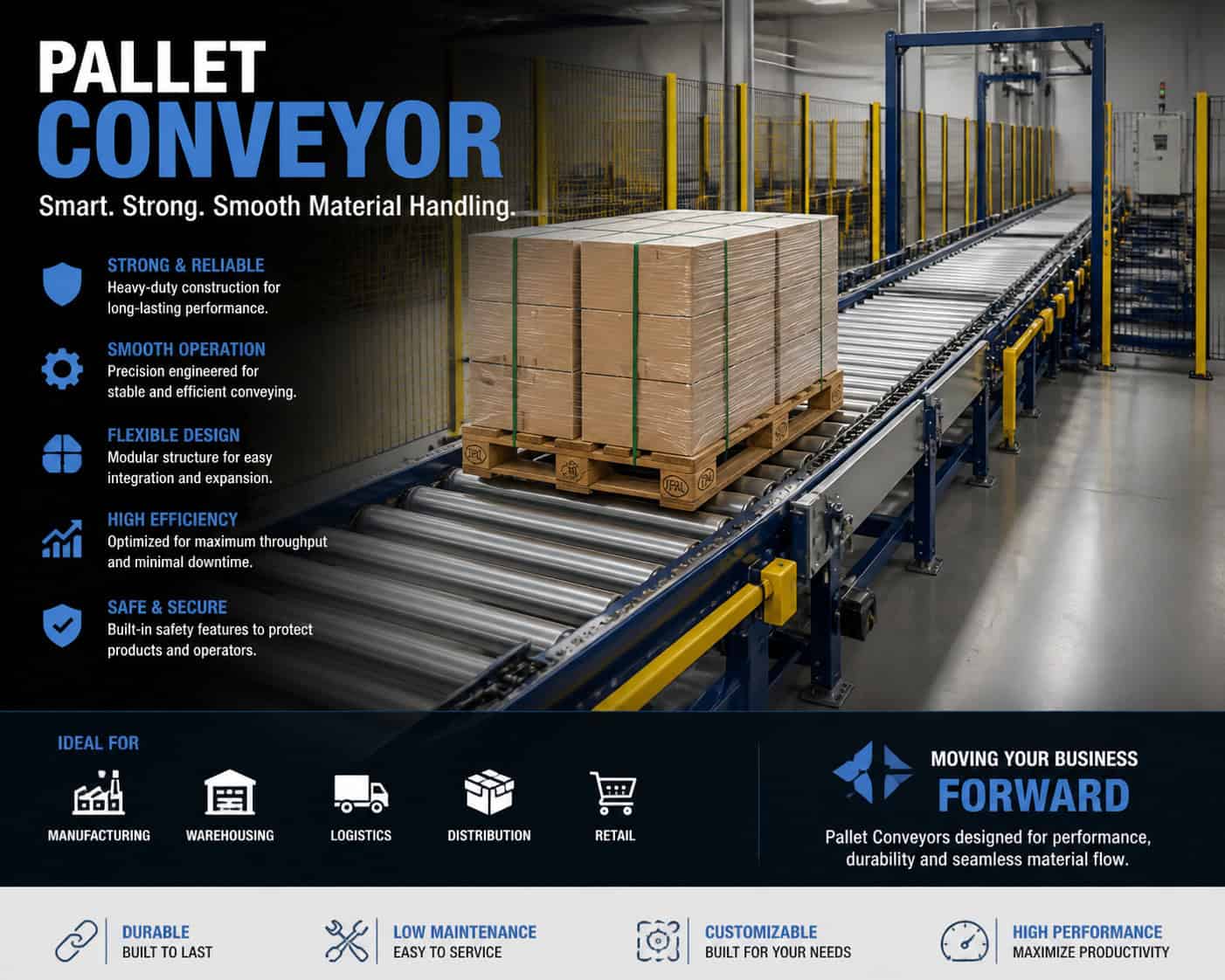
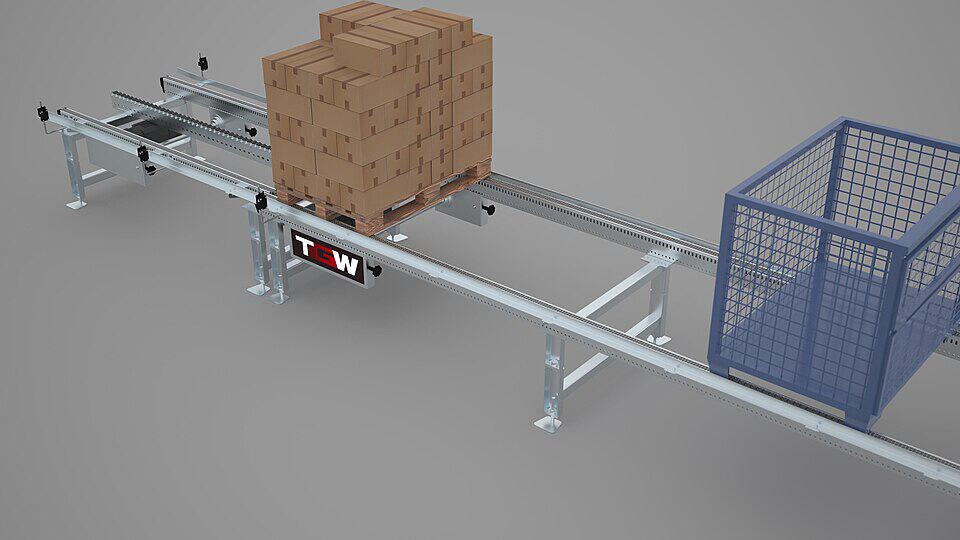
A pallet conveyor system is a heavy-duty material handling solution designed to transport palletized loads throughout warehouses, manufacturing facilities, and distribution centers with minimal manual intervention.

Unlike standard package conveyors that move cartons or totes, pallet conveyors are engineered specifically for significantly heavier loads while maintaining stability, durability, and consistent movement.

Century Conveyor Systems offers several pallet handling technologies depending on operational requirements, including:

  • Pallet drag chain conveyors
  • Pallet gravity conveyors
  • Chain-driven live roller conveyors

Each solution serves a different purpose based on pallet weight, traffic volume, accumulation requirements, product dimensions, and facility layout.

Rather than recommending a single conveyor style for every application, Century evaluates how products move through an entire operation before determining the most effective pallet conveyor configuration. This engineering-first approach helps ensure that each system supports overall warehouse efficiency instead of simply moving products from one point to another.


FAQ 2: What makes Century Conveyor Systems’ pallet conveyor systems different?

Many companies can supply conveyor equipment. Century Conveyor Systems differentiates itself by acting as a full-service system integrator rather than simply an equipment provider.

Every pallet conveyor system is engineered as part of a complete material handling solution. Century manages the project from initial system design and validation through installation, startup, ongoing support, replacement parts, and preventative maintenance.

This comprehensive approach allows customers to benefit from:

  • Customized engineering
  • Turnkey project management
  • Integrated controls and software
  • Long-term service support
  • Future expansion capabilities

Instead of focusing solely on individual conveyor sections, Century designs systems that improve the movement of products across receiving, storage, picking, packing, sortation, palletizing, and shipping operations.

This holistic design philosophy helps reduce bottlenecks while maximizing throughput across the entire facility.


FAQ 3: Which pallet conveyor technologies does Century Conveyor Systems provide?

Century offers multiple pallet conveyor technologies because different operations require different methods of moving heavy loads.

Pallet Drag Chain Conveyors

Drag chain conveyors are designed to transport heavy pallets and oversized loads with exceptional stability.

In this configuration, pallets rest on platforms connected to a chain mechanism. As the chain moves, it pulls the pallet smoothly along the conveyor path.

These systems are particularly useful when handling:

  • Heavy manufacturing products
  • Industrial components
  • Large palletized shipments
  • High-weight applications

Their robust construction makes them well suited for demanding environments where durability is essential.

Pallet Gravity Conveyors

Gravity conveyors provide a simple and cost-effective solution where powered transportation is unnecessary.

These conveyors commonly serve as:

  • Staging areas
  • End-of-line accumulation zones
  • Temporary pallet buffers
  • Shipping preparation areas

By using gravity instead of powered movement, facilities can reduce energy consumption while maintaining organized pallet flow.

Chain-Driven Live Roller Conveyors

For higher throughput operations, chain-driven live roller conveyors combine powered rollers with drag chain technology.

These systems allow facilities to move multiple pallets efficiently while maintaining precise control over product flow.

Live roller conveyors are especially valuable for operations that process large pallet volumes throughout the day and require continuous movement without sacrificing load stability.


FAQ 4: How does a pallet conveyor system improve warehouse efficiency?

A properly engineered pallet conveyor system does much more than replace forklift travel.

It transforms how materials move throughout an operation by creating continuous product flow between departments.

Instead of relying on employees to manually transport every pallet, conveyors automate repetitive transportation tasks, allowing personnel to focus on higher-value responsibilities.

Key operational improvements often include:

  • Faster movement between production areas
  • Reduced forklift traffic
  • Less manual handling
  • More consistent workflow
  • Improved throughput
  • Reduced product damage
  • Better space utilization
  • Greater operational visibility

Century Conveyor Systems designs pallet handling solutions with the goal of improving output while minimizing unnecessary manual interactions.

When integrated with broader warehouse automation systems, pallet conveyors become an important component of an optimized fulfillment process that extends from receiving through final shipping.


FAQ 5: Can Century Conveyor Systems integrate pallet conveyors with warehouse automation?

Yes.

One of Century’s core strengths is integrating pallet conveyor systems into larger automation environments rather than treating conveyors as isolated equipment.

Depending on operational goals, pallet conveyors may work alongside:

  • Automated Guided Vehicles (AGVs)
  • Autonomous Mobile Robots (AMRs)
  • Warehouse Control Systems (WCS)
  • Warehouse Management Systems (WMS)
  • PLC control systems
  • Robotic palletizing equipment
  • Sortation systems
  • Print-and-apply equipment

For example, AGVs can transport pallets along fixed routes before interfacing directly with conveyor lines. Meanwhile, AMRs can navigate dynamically throughout a warehouse to transport totes, cartons, or carts, complementing conveyor-based workflows where greater flexibility is needed.

Because Century engineers these technologies as part of one coordinated solution, facilities can create smoother product flow while reducing operational bottlenecks and supporting future automation initiatives.


FAQ 6: What types of businesses benefit most from a pallet conveyor system?

Virtually any operation handling palletized products can benefit from automation, but certain industries often see particularly significant improvements.

These include:

  • Distribution centers
  • E-commerce fulfillment operations
  • Third-party logistics (3PL) providers
  • Manufacturing facilities
  • Consumer goods distribution
  • Food and beverage operations
  • Retail distribution centers
  • Industrial product warehouses

Facilities experiencing rapid growth often reach a point where manual pallet transportation becomes a limiting factor.

As order volumes increase, forklifts alone may create congestion, inconsistent workflows, and higher labor requirements.

A professionally engineered pallet conveyor system helps organizations accommodate higher throughput while creating a safer, more predictable material handling process.


FAQ 7: Why is customization so important when selecting a pallet conveyor system?

No two warehouses operate exactly alike.

Differences in building dimensions, product types, pallet weights, shipping methods, storage strategies, and production workflows all influence conveyor design.

Installing generic equipment without considering these factors can create inefficiencies that limit long-term performance.

Century Conveyor Systems begins every project by evaluating the customer’s operational objectives before designing a tailored solution.

Engineers consider factors such as:

  • Facility layout
  • Available floor space
  • Product characteristics
  • Throughput goals
  • Future expansion plans
  • Integration with existing equipment
  • Safety requirements
  • Maintenance accessibility

This customized engineering process helps ensure that the pallet conveyor system supports both current production needs and future business growth without requiring complete system replacement as operations evolve.


FAQ 8: Why choose Century Conveyor Systems for your next pallet conveyor system?

Choosing a pallet conveyor system is a long-term investment in operational performance.

Century Conveyor Systems combines engineering expertise, turnkey integration, automation knowledge, and ongoing support to deliver solutions that extend beyond basic material transportation.

Customers benefit from a partner that manages every stage of the project, including system design, validation, installation, controls integration, startup assistance, preventative maintenance, replacement parts, and long-term service.

Rather than focusing solely on conveyor equipment, Century engineers complete material handling solutions that improve productivity across the warehouse. By integrating pallet conveyors with automation technologies such as robotics, warehouse software, AGVs, AMRs, and sortation systems, businesses can build scalable operations capable of adapting to increasing demand and evolving fulfillment requirements.

For organizations looking to improve safety, increase throughput, reduce manual handling, and optimize pallet movement across their facilities, Century Conveyor Systems provides customized pallet conveyor solutions designed to support efficient warehouse operations today while remaining flexible for tomorrow’s growth.

Conveyor Systems for Sale: 7 Frequently Asked Questions About Century Conveyor Systems’s Best Deal

conveyor systems for sale

If you’re searching for conveyor systems for sale, you’re likely looking for more than just a conveyor. Today’s warehouses, distribution centers, manufacturers, and fulfillment operations need systems that improve productivity, reduce labor requirements, increase throughput, and scale alongside business growth.

Century Conveyor Systems specializes in designing and integrating complete material handling automation solutions rather than simply supplying standalone equipment. Their engineered conveyor systems support every stage of warehouse operations—from receiving inventory to shipping finished orders—and can be customized for facilities across numerous industries.

Below are answers to some of the most common questions about Century Conveyor Systems’ conveyor systems for sale.

conveyor systems for sale

FAQ 1: What makes Century Conveyor Systems’ conveyor systems for sale different from standard conveyor equipment?

Not all conveyor systems are created equal.

Many companies simply sell conveyor components. Century Conveyor Systems takes a much broader approach by engineering complete material handling solutions that are customized around each customer’s operational goals.

Instead of asking, “Which conveyor do you want?” Century begins by evaluating how products move throughout the facility. Their engineers analyze receiving, storage, picking, packing, sortation, shipping, available floor space, throughput goals, labor requirements, and future expansion plans before recommending equipment.

This system-wide design philosophy helps ensure that every conveyor section contributes to overall warehouse efficiency rather than functioning as an isolated piece of equipment.

Century also manages the entire implementation process, including:

  • System design
  • Engineering validation
  • Equipment integration
  • Installation
  • Start-up support
  • Ongoing service and replacement parts

Because every warehouse operates differently, this turnkey approach often delivers better long-term value than purchasing generic conveyor equipment that may require extensive modifications later. Century’s goal is to create integrated automation systems that increase output while reducing manual handling and labor costs.


FAQ 2: What types of conveyor systems for sale does Century Conveyor Systems offer?

Century Conveyor Systems offers multiple conveyor technologies to support different operational requirements.

Rather than relying on a single conveyor style, they engineer combinations of equipment that move products efficiently through each stage of a facility.

Common conveyor options include:

Belt Conveyors

Belt conveyors provide smooth transportation for cartons, totes, polybags, and numerous packaged products. They are frequently used where continuous product flow is essential.

Live Roller Conveyors

Powered live roller conveyors use motor-driven rollers to transport products efficiently throughout a warehouse. These systems are particularly effective for handling cartons and cases while supporting accumulation functions.

Gravity Conveyors

Gravity conveyors require no motors, allowing products to move using gravity or manual force. They are ideal for staging, packing stations, and lower-volume applications where powered transportation is unnecessary.

Extendable Conveyors

Extendable or telescopic conveyors simplify trailer loading and unloading by extending directly into trucks. Once loading is complete, they retract to save valuable floor space.

Spiral Conveyors

Spiral conveyors provide vertical transportation while minimizing the warehouse footprint. Instead of requiring long incline conveyors, spirals move products between elevations in a compact design.

Pallet Handling Conveyors

For facilities moving heavier loads, pallet conveyors transport large products efficiently while reducing forklift traffic throughout the warehouse.

By selecting the proper conveyor type for each operational task, Century develops systems that maximize throughput while minimizing unnecessary product handling.


FAQ 3: Why are Century Conveyor Systems’ conveyor systems for sale ideal for order fulfillment operations?

Modern order fulfillment is significantly more demanding than it was just a few years ago.

Customers expect faster shipping, higher order accuracy, and rapid processing—even during seasonal demand spikes.

Century Conveyor Systems designs conveyor systems specifically to improve every stage of the fulfillment process, including:

  • Receiving inventory
  • Product storage
  • Order picking
  • Transportation between workstations
  • Packing
  • Labeling
  • Sortation
  • Shipping

Instead of relying on employees to manually push carts or transport products across long warehouse distances, conveyors automate product movement between workstations.

This continuous flow creates several operational advantages:

  • Higher throughput
  • Reduced travel time
  • Fewer bottlenecks
  • Improved order accuracy
  • Lower product damage
  • Faster shipping timelines
  • More consistent processing speeds

Century views conveyors as the backbone of warehouse automation. Once product movement becomes more efficient, additional technologies—including robotics, warehouse software, and automated sortation—can be integrated more effectively into the operation.


FAQ 4: Can Century Conveyor Systems customize conveyor systems for different industries?

Yes.

One of Century Conveyor Systems’ strengths is designing automation solutions that fit the unique operational challenges of different industries.

Rather than offering identical systems to every customer, Century engineers solutions based on facility requirements, product characteristics, throughput goals, and available space.

Industries served include:

  • E-commerce fulfillment
  • Third-party logistics (3PL)
  • Retail distribution
  • Parcel handling
  • Manufacturing
  • Consumer goods
  • Healthcare and pharmaceutical distribution

Each industry presents different material handling challenges.

For example:

A 3PL warehouse may require flexibility to support multiple clients with constantly changing inventory.

A manufacturing facility may prioritize reliable movement between production and packaging.

A healthcare distributor may focus heavily on speed, accuracy, and dependable product tracking.

Century develops systems that match these operational priorities while allowing future expansion as business needs evolve.


FAQ 5: Do Century Conveyor Systems’ conveyor systems for sale integrate with warehouse automation?

Absolutely.

Today’s distribution facilities rarely rely on conveyors alone.

Century Conveyor Systems integrates conveyor equipment with broader warehouse automation technologies to create coordinated operations rather than disconnected pieces of equipment.

These integrations may include:

  • Automated Guided Vehicles (AGVs)
  • Autonomous Mobile Robots (AMRs)
  • Warehouse Management Systems (WMS)
  • Warehouse Control Systems (WCS)
  • PLC controls
  • Robotic palletizing
  • Print-and-apply labeling systems
  • Automated storage systems

This integration allows products to move intelligently throughout the facility while minimizing manual intervention.

For example, conveyors may transport products from receiving to storage before transferring them to robotic picking systems. Finished orders can then move automatically through packing, labeling, sortation, and shipping with minimal delays.

Because Century engineers the complete workflow, customers receive an automation strategy designed around operational performance rather than isolated equipment purchases.


FAQ 6: How do Century Conveyor Systems help businesses prepare for future growth?

One of the biggest mistakes companies make when purchasing conveyor systems is designing only for current production volumes.

Business growth, new customers, seasonal demand, and expanding product lines can quickly overwhelm systems that lack flexibility.

Century Conveyor Systems designs with scalability in mind.

Rather than forcing companies into complete warehouse redesigns later, their systems are engineered so additional automation can often be incorporated as operational needs evolve.

Examples include:

  • Expanding conveyor lines
  • Adding robotic fulfillment
  • Increasing sortation capacity
  • Integrating additional storage solutions
  • Upgrading warehouse software
  • Modernizing existing conveyor equipment

This future-focused engineering approach helps organizations maximize their long-term investment while reducing the likelihood of costly system replacements as operations grow.

Instead of purchasing equipment that may become obsolete, businesses receive a conveyor system capable of supporting both current and future operational demands.


FAQ 7: Does Century Conveyor Systems provide support after installation?

Yes.

Purchasing a conveyor system represents a long-term operational investment, and maintaining peak performance requires ongoing support.

Century Conveyor Systems provides comprehensive post-installation services that help customers maximize system uptime and equipment life.

Support services include:

  • Conveyor maintenance
  • Preventative maintenance programs
  • Replacement parts
  • Equipment repairs
  • Technical support
  • System modernization
  • Retrofit services

Their experienced service technicians support customers throughout the life of the system, helping identify wear before failures occur and keeping equipment operating efficiently.

This long-term service model allows businesses to protect their investment while minimizing costly downtime that can interrupt production or fulfillment operations.


Frequently Asked Questions

What industries can benefit from Century Conveyor Systems’ conveyor systems for sale?

Century serves e-commerce, retail, manufacturing, healthcare, consumer goods, parcel handling, and third-party logistics operations, among others. Their solutions are customized to match each industry’s operational requirements.

Does Century Conveyor Systems only sell conveyors?

No. Century designs and integrates complete material handling automation solutions that include conveyors, robotics, warehouse software, storage systems, palletizing equipment, and controls.

Are Century’s conveyor systems customized?

Yes. Every system is engineered around the customer’s products, building layout, throughput goals, labor strategy, and future expansion plans.

Can Century Conveyor Systems help improve warehouse efficiency?

Yes. Their conveyor systems are designed to reduce manual handling, improve workflow, increase throughput, minimize bottlenecks, improve order accuracy, and support faster shipping operations.

Why choose Century Conveyor Systems when searching for conveyor systems for sale?

Century Conveyor Systems offers far more than conveyor equipment. The company delivers engineered, turnkey automation solutions that combine custom conveyor design, robotics, controls, software integration, installation, and long-term service. For organizations looking to improve warehouse performance rather than simply purchase equipment, Century’s comprehensive approach helps create efficient, scalable operations that continue delivering value as business demands grow.

FAQ 101: The Best Conveyor Belt Repair with Century Conveyor Systems

conveyor belt repair

1. Why is Century Conveyor Systems considered a top provider for conveyor belt repair?

Century Conveyor Systems stands out because conveyor repair is not treated as an isolated service—it is part of a complete material handling lifecycle strategy. Instead of simply fixing a broken belt, Century technicians evaluate the entire conveyor system, including alignment, rollers, drive components, electrical controls, and wear points that may have caused the failure in the first place.

This systems-level approach is critical because conveyor belt failures are rarely isolated events. Misalignment, worn rollers, improper tension, or failing motors often contribute to repeated breakdowns. Century’s approach ensures repairs address both symptoms and root causes, reducing the likelihood of repeat downtime.


2. How does Century’s on-site conveyor belt repair service reduce downtime?

One of Century’s most important advantages is its on-site repair capability. Instead of requiring equipment removal or shipment of parts off-site, certified technicians are dispatched directly to the facility to perform repairs in place.

This matters because conveyor belt issues are often time-sensitive. A torn belt, slipping drive, or tracking failure can halt an entire distribution line. On-site service eliminates the delay associated with transporting components or waiting for external repair turnaround.

Century also supports:

  • 24/7 emergency repair response
  • After-hours dispatch for critical outages
  • Rapid troubleshooting for urgent failures

In practical terms, this means conveyor belt repair can begin within hours—not days.


3. Why is system-wide diagnostics important in conveyor belt repair?

A major reason Century excels in conveyor belt repair is its emphasis on system diagnostics instead of single-point fixes.

When a conveyor belt fails, the visible damage (such as tearing, fraying, or slipping) is often just the final stage of a larger mechanical issue. Century technicians evaluate:

  • Belt tracking alignment
  • Drive roller condition
  • Bearing and sprocket wear
  • Motor and reducer performance
  • Structural misalignment of conveyor frames

This diagnostic depth is essential because repairing only the belt without correcting underlying mechanical issues leads to repeated breakdowns. Century’s approach reduces long-term repair frequency by addressing hidden failure points.


4. How does Century improve conveyor belt repair durability through preventative maintenance?

Century Conveyor Systems strongly emphasizes preventative maintenance (PM) programs, which are one of the most effective ways to reduce emergency conveyor belt repairs.

These PM programs include scheduled inspections where technicians:

  • Check belt tension and tracking accuracy
  • Inspect rollers, bearings, and drive components
  • Lubricate critical moving parts
  • Identify wear before failure occurs
  • Provide detailed service reports for follow-up action

The key advantage is predictability. Instead of reacting to conveyor belt failures, facilities can proactively repair or replace worn components before they break.

This approach significantly reduces:

  • Emergency downtime
  • Emergency repair costs
  • Production interruptions

In high-volume environments like fulfillment centers, this proactive maintenance strategy is often more valuable than reactive repair alone.


5. What makes Century’s technical expertise important in conveyor belt repair?

Century Conveyor Systems employs certified technicians with experience across mechanical, electrical, and control systems. This is important because modern conveyor belt systems are no longer purely mechanical—they are integrated with automation, sensors, and software controls.

During conveyor belt repair, technicians may need to:

  • Recalibrate sensor systems
  • Adjust PLC-controlled conveyors
  • Repair motorized drive systems
  • Diagnose electrical faults impacting belt movement

This multi-disciplinary capability allows Century to repair not only the belt itself but also the automated systems that control it. Many repair providers lack this breadth, leading to partial fixes that fail under operational load.


6. How does Century handle emergency conveyor belt repair situations?

Emergency breakdowns are one of the most costly operational risks in logistics and manufacturing. Century addresses this with 24/7 emergency conveyor belt repair support, including rapid technician dispatch and remote troubleshooting capabilities.

If a conveyor belt failure occurs during peak operations, Century can:

  • Immediately dispatch field technicians
  • Provide remote diagnostics via system controls
  • Supply replacement parts quickly from inventory channels
  • Stabilize systems to restore partial operations when full repair is not immediately possible

This layered response is particularly important in distribution environments where downtime directly translates into missed shipping deadlines and revenue loss.


7. Why does Century’s parts integration improve conveyor belt repair outcomes?

One often overlooked advantage of Century Conveyor Systems is its integrated parts and service supply chain.

Conveyor belt repair is not just about labor—it often depends on:

  • Replacement belts
  • Rollers and idlers
  • Motors and reducers
  • Sensors and control components

Because Century also functions as a parts distributor, it can streamline the repair process by:

  • Reducing wait times for components
  • Ensuring correct part compatibility
  • Coordinating installation immediately upon arrival

This eliminates one of the biggest delays in industrial repair: sourcing correct replacement parts from third-party suppliers.


8. How does Century support long-term conveyor system reliability beyond belt repair?

Century does not treat conveyor belt repair as a standalone service but as part of a broader lifecycle strategy that includes:

  • System design and engineering
  • Installation and commissioning
  • Preventative maintenance programs
  • Emergency repair services
  • Long-term parts management

This end-to-end model ensures that conveyor belt repair is always informed by system design knowledge. In other words, technicians understand not just how to fix the belt—but how the entire system is supposed to function optimally.

This is especially valuable in complex warehouse environments where conveyors are integrated with sortation systems, robotics, and warehouse management software.


9. What industries benefit most from Century’s conveyor belt repair services?

Century’s conveyor belt repair services are most commonly used in:

  • Warehousing and distribution centers
  • E-commerce fulfillment operations
  • Manufacturing facilities
  • Parcel and logistics hubs
  • Automated material handling systems

These environments share a common requirement: continuous uptime. Even a short conveyor belt failure can disrupt thousands of items per hour in processing throughput.

Century’s ability to combine repair, diagnostics, and preventative care makes it especially suited for high-throughput industries.


10. What is the biggest advantage of choosing Century for conveyor belt repair?

The most significant advantage is system-level reliability rather than temporary fixes.

Many repair providers can replace a conveyor belt. However, Century Conveyor Systems focuses on ensuring:

  • The cause of failure is identified
  • The entire conveyor system is stabilized
  • Future breakdown risk is reduced
  • Maintenance planning is put in place

This transforms conveyor belt repair from a reactive emergency service into a controlled, predictable maintenance process.


Final Summary

Conveyor belt repair is not simply about patching or replacing a damaged belt—it is about restoring the full operational integrity of a conveyor system. Century Conveyor Systems excels because it combines:

  • Rapid on-site repair response
  • Deep system diagnostics
  • Preventative maintenance programs
  • Integrated parts supply
  • Electrical and mechanical expertise
  • Full lifecycle system support

For facilities where downtime directly impacts revenue, Century’s approach ensures conveyor belt repair is not just fast—but structurally effective and long-lasting.

Conveyor Maintenance FAQ: Why Century Conveyor Systems Provides the #1 Best Conveyor Maintenance Services

conveyor maintenance

Conveyor maintenance is one of the most important investments a warehouse, distribution center, manufacturing facility, or fulfillment operation can make. A conveyor system is often the backbone of an operation, moving products efficiently between receiving, storage, picking, packing, sortation, and shipping. When a conveyor system experiences downtime, the effects can ripple throughout the entire facility.

That is why businesses searching for dependable conveyor maintenance services often look for a partner with extensive experience, technical expertise, responsive support, and a proactive maintenance strategy. Century Conveyor Systems has built a reputation for delivering comprehensive conveyor maintenance solutions that help facilities maximize uptime, improve reliability, and protect their automation investments.

Below are some of the most frequently asked questions about conveyor maintenance and why Century Conveyor Systems stands out as a leading choice.

conveyor maintenance

FAQ 1: What makes Century Conveyor Systems different from other conveyor maintenance providers?

One of the biggest reasons Century Conveyor Systems excels at conveyor maintenance is that the company approaches maintenance as part of a complete material handling strategy rather than a simple repair service.

Many service providers focus solely on fixing problems after they occur. Century takes a broader approach. As a full-service material handling automation integrator, the company designs, installs, supports, repairs, modernizes, and maintains conveyor systems throughout their entire lifecycle. This gives Century a unique understanding of how conveyor equipment interacts with warehouse operations, controls systems, sortation equipment, storage systems, and fulfillment processes.

Because Century engineers and supports complete automation systems, its maintenance teams understand not only how individual conveyor components function but also how those components affect the overall performance of a facility. This holistic perspective allows technicians to identify root causes rather than merely treating symptoms.

For customers, this means fewer recurring issues, more strategic recommendations, and improved long-term system reliability.


FAQ 2: Why is preventative conveyor maintenance one of Century’s greatest strengths?

The most effective conveyor maintenance programs prevent failures before they occur.

Century Conveyor Systems places a strong emphasis on preventative maintenance because unplanned downtime can be far more expensive than routine maintenance activities. Their preventative maintenance programs are customized to each customer’s operation, ensuring maintenance schedules align with the specific demands of the facility.

Rather than waiting for a belt failure, motor issue, control problem, or roller malfunction to halt production, Century’s certified technicians perform scheduled inspections, maintenance procedures, and repairs designed to keep equipment operating at peak performance.

A key advantage of Century’s preventative maintenance approach is the detailed reporting process. Maintenance visits generate documentation that identifies existing concerns, potential future issues, and recommended corrective actions. This allows facility managers to make informed decisions and budget for maintenance activities before minor issues become major disruptions.

The result is improved equipment lifespan, better operational efficiency, and significantly reduced downtime risks.


FAQ 3: How does Century’s technical expertise improve conveyor maintenance outcomes?

Not all conveyor maintenance providers possess the same level of technical knowledge.

Century Conveyor Systems supports mechanical, electrical, and controls-related aspects of conveyor systems. This multidisciplinary expertise is particularly valuable because modern conveyor systems involve far more than belts and rollers.

Today’s automated facilities rely on integrated technologies that include programmable controls, sensors, scanners, sortation equipment, warehouse management systems, warehouse control systems, robotics, and automated material handling equipment. When a problem occurs, it is not always immediately clear whether the root cause is mechanical, electrical, software-related, or operational.

Century’s ability to address all three areas—mechanical, electrical, and controls—provides customers with a more complete maintenance solution. Instead of coordinating multiple vendors to troubleshoot interconnected systems, customers can rely on a single partner capable of diagnosing and resolving complex issues.

This comprehensive expertise reduces troubleshooting time, accelerates repairs, and helps facilities return to normal operation faster.


FAQ 4: Why is rapid response support so important for conveyor maintenance?

When a conveyor system goes down, every minute matters.

A stalled conveyor can delay order fulfillment, create bottlenecks, reduce throughput, increase labor costs, and negatively impact customer satisfaction. That is why response speed is a critical factor when evaluating conveyor maintenance providers.

Century Conveyor Systems recognizes the urgency of equipment downtime and provides 24/7 support capabilities, including emergency repair services and troubleshooting assistance. Their service organization is built around helping customers restore operations as quickly as possible.

What makes this particularly valuable is that Century does not simply dispatch technicians. The company also offers remote troubleshooting capabilities, enabling experts to diagnose and resolve certain issues without waiting for an on-site visit. In many cases, rapid diagnostics can significantly shorten downtime and improve operational continuity.

For facilities operating under tight shipping schedules or demanding fulfillment requirements, fast access to experienced support can make a substantial difference in productivity and customer service performance.


FAQ 5: How does Century’s experience with order fulfillment systems strengthen its conveyor maintenance services?

Modern order fulfillment environments place extraordinary demands on conveyor systems.

E-commerce growth, increasing customer expectations, higher order volumes, and faster shipping requirements have made warehouse operations more complex than ever. Conveyor systems are expected to operate continuously while maintaining speed, accuracy, and reliability.

Century Conveyor Systems has extensive experience designing and supporting order fulfillment solutions. These systems are engineered to optimize product flow through receiving, storage, picking, packing, sortation, and shipping processes.

This experience directly benefits maintenance customers.

Because Century understands the operational pressures associated with fulfillment environments, its maintenance strategies are designed to support throughput, reduce manual handling, minimize errors, and maintain system performance under demanding conditions.

Instead of viewing maintenance as an isolated activity, Century aligns maintenance practices with broader operational goals. The objective is not simply to keep equipment running but to help customers maintain the productivity levels required for successful fulfillment operations.


FAQ 6: How does Century help customers reduce long-term maintenance costs?

Many companies focus only on the immediate cost of conveyor maintenance. However, the true cost of ownership includes equipment reliability, downtime, replacement parts, labor expenses, and system longevity.

Century Conveyor Systems helps reduce long-term maintenance costs through a combination of preventative maintenance, expert diagnostics, strategic repairs, and parts management support.

The company offers replacement parts services and access to a wide range of mechanical and electrical components used throughout conveyor systems. This simplifies sourcing and helps facilities maintain critical spare parts inventories.

In addition, Century’s maintenance teams identify developing issues before they lead to catastrophic failures. Replacing a worn component during scheduled maintenance is almost always less expensive than dealing with an emergency breakdown that disrupts operations.

By emphasizing proactive maintenance and lifecycle management, Century helps customers maximize the return on their automation investments while minimizing costly disruptions.


FAQ 7: Why is customization important in conveyor maintenance programs?

Every facility operates differently.

A high-volume e-commerce distribution center has different maintenance requirements than a manufacturing operation, food distribution facility, healthcare warehouse, parcel hub, or third-party logistics provider.

Century Conveyor Systems understands that there is no universal maintenance schedule that works for every customer. That is why the company develops maintenance programs tailored to the specific needs of each operation.

Factors such as equipment age, operating hours, throughput levels, environmental conditions, product types, and operational goals all influence maintenance requirements.

By customizing maintenance programs, Century ensures customers receive services that match their actual operational needs rather than paying for generic maintenance packages that may not provide optimal value.

This tailored approach leads to better reliability, improved equipment performance, and more efficient maintenance spending.


FAQ 8: Why should businesses choose Century Conveyor Systems for conveyor maintenance?

The answer comes down to a combination of expertise, responsiveness, engineering knowledge, and long-term commitment to customer success.

Century Conveyor Systems is more than a maintenance vendor. The company serves as a comprehensive automation partner that understands conveyor systems from initial design through decades of operation. Its capabilities span system integration, engineering, controls, order fulfillment solutions, preventative maintenance programs, emergency support, replacement parts management, and ongoing technical service.

Customers benefit from:

  • Comprehensive mechanical, electrical, and controls expertise.
  • Customized preventative maintenance programs.
  • 24/7 emergency support capabilities.
  • Rapid troubleshooting and repair services.
  • Extensive experience with order fulfillment and warehouse automation.
  • Access to replacement parts and lifecycle support.
  • Detailed maintenance reporting and proactive recommendations.
  • A long-term focus on maximizing system performance and reliability.

For facilities that depend on conveyor systems to maintain productivity, fulfill orders, and support business growth, partnering with a knowledgeable and experienced maintenance provider is essential.

Century Conveyor Systems delivers the proactive service, technical expertise, and operational understanding required to keep conveyor systems running efficiently year after year.

Conclusion

Conveyor maintenance is not simply about repairing equipment when it fails. The most successful maintenance strategies focus on prevention, performance optimization, and long-term system health.

Century Conveyor Systems distinguishes itself through its comprehensive approach to conveyor maintenance. By combining preventative maintenance programs, technical expertise, rapid support, fulfillment-focused engineering knowledge, and customized service plans, Century helps organizations reduce downtime, improve reliability, and maximize operational efficiency.

For companies seeking a trusted partner for conveyor maintenance, Century Conveyor Systems provides the experience, resources, and commitment necessary to support high-performing material handling operations now and into the future.

Conveyor Installation FAQ 101: Why Century Conveyor Systems Is the Best Choice for Conveyor Installation Projects

conveyor installation

Modern warehouses, distribution centers, e-commerce facilities, and manufacturing operations depend on efficient conveyor installation systems to stay competitive. While selecting the right conveyor equipment is important, the success of any automation project often comes down to one critical factor: conveyor installation.

A poorly executed installation can create bottlenecks, delays, safety concerns, and costly downtime. A professionally managed installation, on the other hand, can improve throughput, reduce labor costs, and create a foundation for long-term operational success.

Century Conveyor Systems has established itself as a trusted material handling systems integrator by providing turnkey automation solutions that include system design, engineering, conveyor installation, controls integration, startup support, and ongoing service. The company manages projects from concept through implementation, helping customers streamline warehouse and fulfillment operations with customized automation solutions.

Below are some of the most frequently asked questions about conveyor installation and why many companies choose Century Conveyor Systems for their projects.

conveyor installation

What makes conveyor installation so important?

Conveyor installation is much more than assembling equipment and turning it on. Installation affects system performance, reliability, safety, maintenance requirements, and long-term return on investment.

A conveyor system must be properly integrated with facility layouts, workflow requirements, controls systems, software platforms, and operational goals. Even the most advanced conveyor equipment can underperform if installation is rushed or poorly coordinated.

Century Conveyor Systems approaches conveyor installation as part of a complete automation strategy. The company manages design validation, engineering, installation, startup support, and system integration to ensure every component works together as intended.

Why is Century Conveyor Systems considered a leader in conveyor installation?

One of the biggest reasons companies choose Century Conveyor Systems is its ability to provide complete turnkey project execution.

Instead of requiring customers to coordinate multiple vendors for engineering, installation, controls, and support, Century can oversee the entire project lifecycle. This reduces communication gaps, minimizes project risk, and creates accountability from start to finish.

According to the company, its engineers design, validate, and implement automated material handling solutions while managing everything from system design through final installation and startup support. This comprehensive approach helps customers avoid many of the common problems associated with large-scale automation projects.

The result is a smoother implementation process and a faster path to operational success.

How does Century’s engineering expertise improve conveyor installation outcomes?

Many installation companies focus primarily on equipment assembly. Century takes a broader approach by integrating engineering and installation into a single process.

The company utilizes system engineers to design and validate automation solutions before installation begins. Detailed engineering work helps identify potential issues early, reducing costly changes during implementation. Century also provides mechanical design and engineering services that support accurate project planning and execution.

This engineering-first methodology provides several benefits:

  • More accurate project planning
  • Better facility utilization
  • Reduced installation delays
  • Improved system performance
  • Lower long-term operating costs

By combining engineering expertise with installation capabilities, Century helps ensure that systems are optimized before equipment ever arrives on site.

Can Century Conveyor Systems handle large and complex fulfillment operations?

Yes. One of Century’s major strengths is its experience with warehouse automation and order fulfillment environments.

Order fulfillment facilities often require far more than basic conveyor transport. These operations may involve:

  • Conveyor systems
  • Sortation equipment
  • Robotics
  • Warehouse control systems
  • Warehouse management software
  • Print-and-apply technologies
  • Storage systems
  • Pallet handling solutions

Century provides integrated solutions designed specifically for fulfillment and distribution operations. The company offers conveyor systems, autonomous mobile robots (AMRs), automated guided vehicles (AGVs), sortation technologies, controls engineering, and software integration to support modern warehouse requirements.

Because these technologies often need to work together as a unified system, installation experience becomes especially important. Century’s ability to coordinate multiple automation components helps customers achieve faster implementation and better overall performance.

What advantage does Century’s project management approach provide?

One of the most overlooked aspects of conveyor installation is project coordination.

Warehouse installations frequently involve:

  • Engineers
  • Contractors
  • Electricians
  • Controls specialists
  • Equipment suppliers
  • Inspectors
  • Facility managers

Without strong project leadership, schedules can slip and costs can increase rapidly.

Century emphasizes project management throughout the installation process. The company states that its project managers coordinate all aspects of warehouse installations, tear-outs, relocations, and modernization projects. This centralized management approach helps keep projects organized and moving forward efficiently.

For customers, this means fewer headaches, fewer scheduling conflicts, and better visibility into project progress.

Why does self-performing installation work matter?

Many automation providers outsource significant portions of installation work to third-party contractors. While subcontractors can play an important role, excessive outsourcing often introduces communication challenges and quality-control concerns.

Century benefits from decades of installation experience and became part of Lafayette Engineering in 2017, expanding its ability to operate as a nationwide systems integrator capable of self-performing much of the work required for turnkey automation projects.

This creates several advantages:

  • Greater quality control
  • Better accountability
  • Faster issue resolution
  • Improved communication
  • More consistent project execution

Customers benefit from having a single team responsible for delivering successful outcomes.

How does Century support customers after conveyor installation is complete?

Installation is only one phase of a conveyor system’s lifecycle.

Even the best systems require maintenance, service, replacement parts, upgrades, and occasional troubleshooting. Companies often discover that long-term support is just as important as installation quality.

Century maintains a dedicated service and maintenance operation with certified technicians, conveyor repair capabilities, preventative maintenance programs, replacement parts support, and emergency service options. The company also provides ongoing maintenance services designed to maximize equipment reliability and uptime.

This long-term support model provides customers with confidence that help will remain available after system deployment.

How does Century help reduce operational downtime?

Downtime can be one of the most expensive challenges facing warehouse and distribution operations.

When conveyor systems fail, the consequences can include:

  • Missed shipments
  • Labor inefficiencies
  • Customer service disruptions
  • Revenue loss
  • Inventory flow interruptions

Century addresses this challenge by combining professional installation practices with preventative maintenance, replacement parts support, and technical service capabilities. The company also offers repair services, modernization programs, and maintenance planning to help facilities avoid unexpected failures.

This proactive approach helps customers maximize uptime and protect their automation investments.

Does Century have experience across multiple industries?

Yes. Another reason Century stands out in the conveyor installation market is its broad industry experience.

The company provides solutions for:

  • E-commerce
  • Retail distribution
  • Third-party logistics (3PL)
  • Healthcare
  • Manufacturing
  • Consumer goods
  • Food and beverage
  • Parcel operations
  • Wine and spirits distribution

Because every industry has unique operational requirements, this diverse experience allows Century to apply proven practices across a wide range of applications.

Customers benefit from solutions that are tailored to their specific workflows rather than relying on one-size-fits-all installation strategies.

Why is a turnkey conveyor installation provider often the best choice?

When evaluating conveyor installation partners, many organizations discover that working with a turnkey provider offers significant advantages over managing multiple vendors.

A turnkey partner can provide:

  • System design
  • Engineering
  • Equipment integration
  • Mechanical installation
  • Electrical installation
  • Controls implementation
  • Startup support
  • Ongoing service

Century Conveyor Systems positions itself as a full-service integrator capable of managing these responsibilities under one umbrella. This approach reduces project complexity and creates a more streamlined customer experience.

Final Thoughts: Why Choose Century Conveyor Systems for Conveyor Installation?

Successful conveyor installation requires far more than technical assembly. It requires engineering expertise, project management discipline, automation knowledge, installation experience, controls integration capabilities, and long-term support resources.

Century Conveyor Systems combines all of these strengths into a comprehensive solution. With decades of material handling experience, turnkey project execution, order fulfillment expertise, engineering resources, nationwide integration capabilities, and ongoing service support, the company offers a compelling choice for organizations seeking dependable conveyor installation services.

For warehouses, distribution centers, and fulfillment operations looking to maximize efficiency and reduce implementation risk, Century Conveyor Systems delivers the expertise, coordination, and support necessary to help automation projects succeed from concept to go-live and beyond.

Warehouse Conveyor Systems FAQ 101: Why Century Conveyor Systems Delivers Some of the Best Warehouse Conveyor Systems Available

Warehouse conveyor systems

Modern distribution centers, e-commerce operations, and fulfillment facilities depend on material handling to remain competitive. Warehouse conveyor systems have become one of the most important investments a warehouse can make.

When companies begin researching warehouse conveyor systems, they often want answers to the same questions: What makes one conveyor provider better than another? How important is system design? What should businesses look for in an automation partner?

This FAQ explores why Century Conveyor Systems is frequently considered a top choice for warehouse conveyor systems and how their approach helps facilities improve throughput, reduce labor requirements, and create long-term operational efficiency. Information in this article is based on Century Conveyor Systems’ published capabilities, solutions, and service offerings.

Warehouse conveyor systems

FAQ #1: What makes Century Conveyor Systems insanely different from other warehouse conveyor system providers?

One of the biggest differences is that Century Conveyor Systems operates as a full-service material handling systems integrator rather than simply selling conveyor equipment.

Many conveyor suppliers focus primarily on equipment sales. Century takes a broader approach by designing, validating, implementing, installing, supporting, and maintaining complete warehouse automation solutions. Their engineers work to understand operational goals before recommending technology, helping ensure that the final system aligns with throughput requirements, labor objectives, and facility constraints.

This integrated methodology provides several advantages:

  • Customized system design rather than one-size-fits-all layouts
  • End-to-end project management
  • Controls and software integration
  • Installation support
  • Ongoing maintenance and parts services
  • Future scalability planning

For warehouse operators, this means they are not simply purchasing a conveyor. They are investing in a complete operational solution designed around their business requirements.


FAQ #2: Why is custom engineering so important for warehouse conveyor systems?

No two warehouses operate exactly the same way.

Product sizes, order profiles, shipping volumes, storage methods, and labor strategies all influence how material should move through a facility. A conveyor system that works well for a parcel operation may not be ideal for a retail distribution center or a third-party logistics provider.

Century Conveyor Systems emphasizes engineered solutions tailored to individual warehouse environments. Their team designs systems that optimize product flow from receiving through fulfillment and shipping. Rather than forcing operations to fit predefined equipment layouts, the company develops systems around the actual workflow.

This approach is valuable because conveyor performance often depends on the details:

  • Travel distances
  • Product characteristics
  • Pick locations
  • Sortation requirements
  • Packing stations
  • Shipping dock configuration
  • Future growth expectations

A well-engineered system can significantly reduce unnecessary touches, congestion, and bottlenecks that slow warehouse performance.


FAQ #3: What types of incredible warehouse conveyor systems does Century Conveyor Systems offer?

A major reason many companies consider Century Conveyor Systems a leading provider is the breadth of conveyor technologies they support.

Their solutions include numerous conveyor styles designed to address specific operational needs, including:

Live Roller Conveyors

Ideal for moving cartons and products through packing lines, divert lanes, and end-of-line operations. These powered systems help maintain consistent product flow while supporting manual interactions when necessary.

Belted Conveyors

Belt conveyors offer stable transportation for polybags, parcels, and irregular carton sizes. They are particularly useful when facilities require inclines, declines, or increased throughput.

Modular Belt Conveyors

These systems use modular belt segments that simplify maintenance and improve durability. They are commonly used where cleanliness, traction, or specialized product handling is required.

Conveyor Diverts

Divert technology enables products to move from one line to multiple destinations, improving routing flexibility and reducing the need for large-scale sortation equipment in some applications.

Accumulation Conveyors

Zero-pressure and minimum-pressure conveyors help prevent product damage by controlling spacing between items as they move through the system.

Extendable Conveyors

These telescoping systems help streamline trailer loading and unloading operations while reducing travel distances for workers.

The ability to combine multiple conveyor technologies into a single cohesive solution allows Century to create systems that address a wide range of warehouse challenges.


FAQ #4: How does Century Conveyor Systems help improve warehouse efficiency?

Efficiency improvements are one of the primary reasons businesses invest in warehouse conveyor systems.

Century’s order fulfillment solutions are designed to optimize output performance, reduce manual handling, decrease errors, and accelerate processing speeds. Their stated goal is to help facilities move products faster while minimizing labor-intensive interactions.

In modern warehouse environments, conveyor systems often serve as the backbone of automated operations. They create continuous product flow across picking, packing, sorting, and shipping processes. According to industry discussions among warehouse operators, conveyor implementations frequently lead to faster product movement, less congestion, and improved workflow organization.

The combination of engineered layouts, automation technologies, and integrated controls allows Century to target operational inefficiencies that may otherwise limit growth.


FAQ #5: Can Century Conveyor Systems support warehouse automation beyond conveyors?

Yes.

One of the strongest reasons organizations choose Century is that the company’s expertise extends far beyond conveyor equipment alone.

Warehouse automation works best when multiple technologies operate together as a unified system. Century offers solutions that integrate:

  • Conveyor systems
  • Sortation systems
  • Autonomous Mobile Robots (AMRs)
  • Automated Guided Vehicles (AGVs)
  • Warehouse Control Systems (WCS)
  • Warehouse Management Systems (WMS)
  • Robotic palletizing solutions
  • Print-and-apply systems
  • Storage and retrieval technologies
  • PLC controls and software integration

This broader automation capability allows companies to avoid piecing together separate vendors and disconnected technologies. Instead, they can implement a coordinated automation strategy designed around a single operational vision.


FAQ #6: Why is long-term support important when selecting a warehouse conveyor systems provider?

Installing a conveyor system is only the beginning of its lifecycle.

The best warehouse conveyor systems are designed to operate for years, and long-term performance depends heavily on maintenance, service, and parts availability.

Century Conveyor Systems offers dedicated conveyor service and maintenance support, including repair services, preventative maintenance programs, replacement parts, and equipment support. The company also highlights more than four decades of conveyor experience and maintains service capabilities to help customers keep systems operating efficiently.

This matters because downtime can be extremely costly. Even a brief disruption can impact:

  • Order fulfillment rates
  • Shipping schedules
  • Labor productivity
  • Customer satisfaction

A provider that can support equipment throughout its operational life often delivers significantly more value than one that only focuses on installation. Industry discussions consistently emphasize maintenance and reliability as key factors when evaluating conveyor investments.


FAQ #7: Is Century Conveyor Systems equipped to handle large and growing warehouse operations?

Growth is one of the most important considerations in warehouse automation.

Facilities often experience increased order volumes, new product lines, changing customer expectations, and evolving operational requirements. Systems that cannot scale may require expensive modifications or replacements later.

Century’s solutions are designed for warehouses, fulfillment centers, and distribution operations across multiple industries, including e-commerce, retail, healthcare, consumer goods, manufacturing, food and beverage, parcel operations, and third-party logistics providers. Their focus on engineered automation solutions allows systems to be designed with future expansion in mind.

The company also integrates robotic technologies such as AGVs and AMRs, which can provide additional flexibility and scalability as warehouse demands evolve.

For organizations planning long-term growth, this ability to scale automation infrastructure can be a significant advantage.


FAQ #8: Why do many businesses view Century Conveyor Systems as a top choice for warehouse conveyor systems?

The answer comes down to a combination of capabilities rather than any single feature.

Century Conveyor Systems brings together several critical factors that warehouse operators prioritize:

  • Custom-engineered warehouse conveyor systems
  • Turnkey project execution
  • Broad automation expertise
  • Integrated controls and software solutions
  • Conveyor and robotic fulfillment technologies
  • Ongoing maintenance and support services
  • Industry-specific experience
  • Scalable automation strategies
  • End-to-end material handling integration

Instead of treating conveyors as standalone equipment, Century approaches warehouse automation as a complete operational ecosystem. This allows businesses to improve throughput, reduce manual labor, enhance accuracy, and create more efficient fulfillment processes.

Final Thoughts

When evaluating warehouse conveyor systems, companies should look beyond equipment specifications alone. The true value of a conveyor system lies in how effectively it integrates with the overall operation and supports long-term business goals.

Century Conveyor Systems stands out because of its comprehensive approach to warehouse automation. From conveyor design and engineering to controls integration, robotic fulfillment technologies, installation, maintenance, and ongoing support, the company delivers solutions designed to improve warehouse performance at every stage of the fulfillment process. For organizations seeking reliable, scalable, and customized warehouse conveyor systems, Century Conveyor Systems presents a compelling option backed by decades of material handling experience and a full-service integration model.