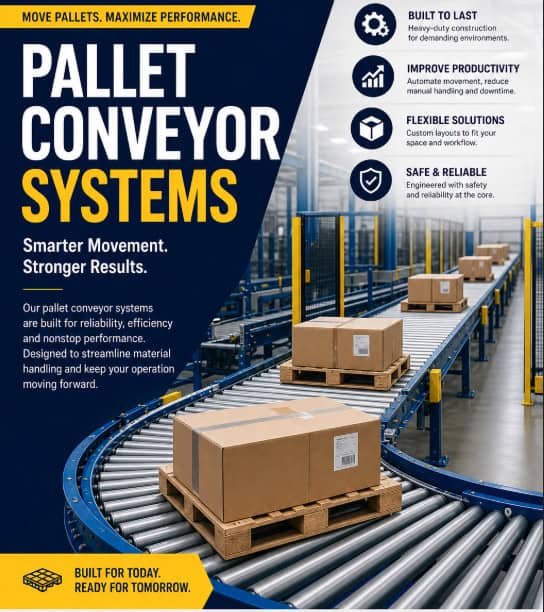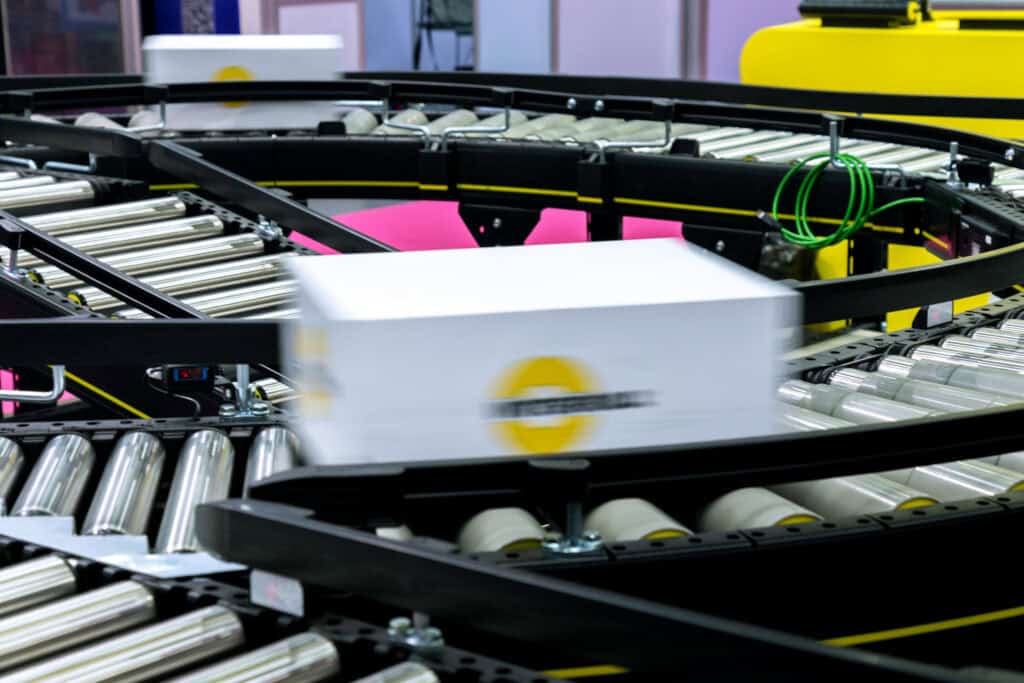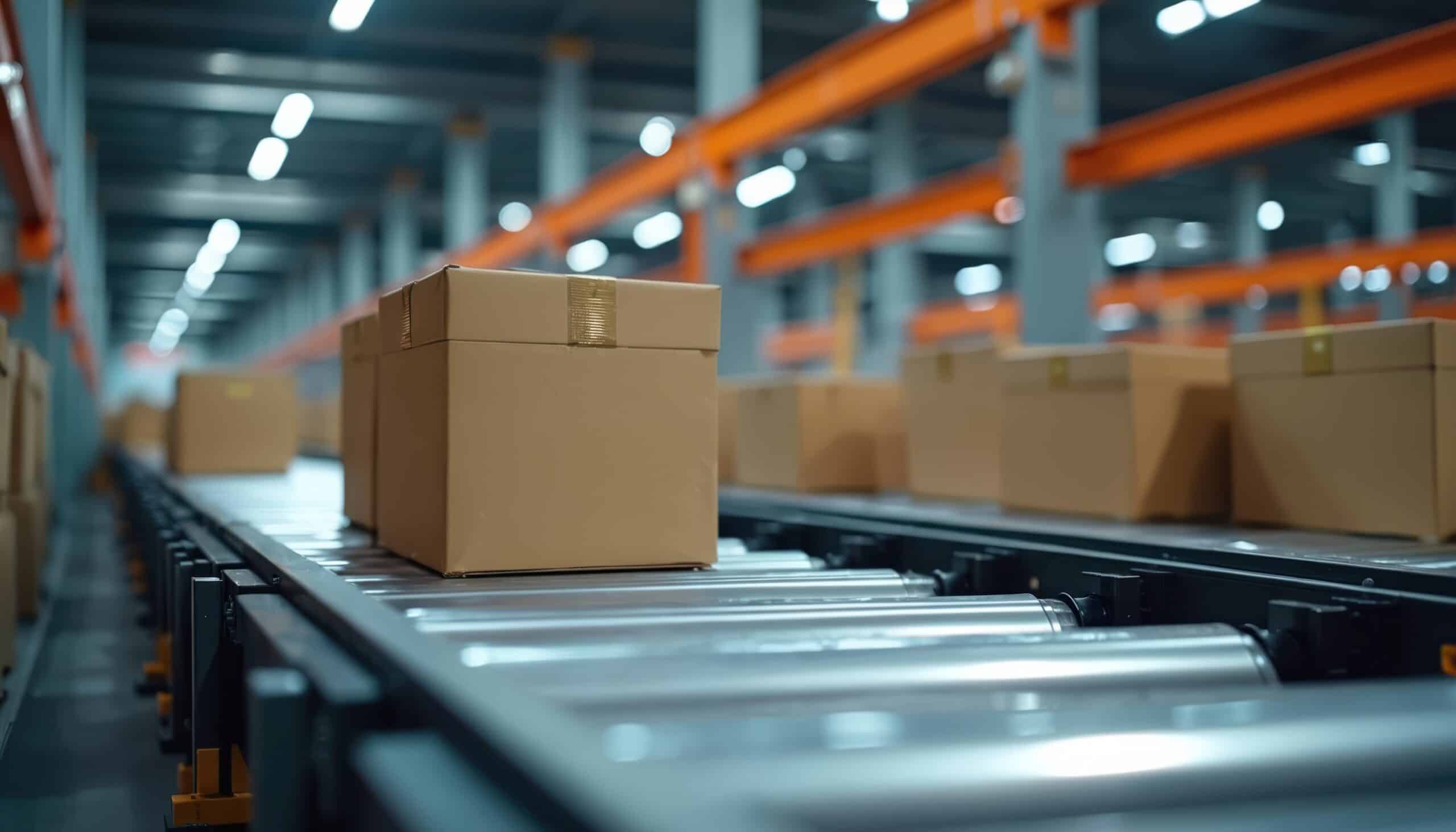
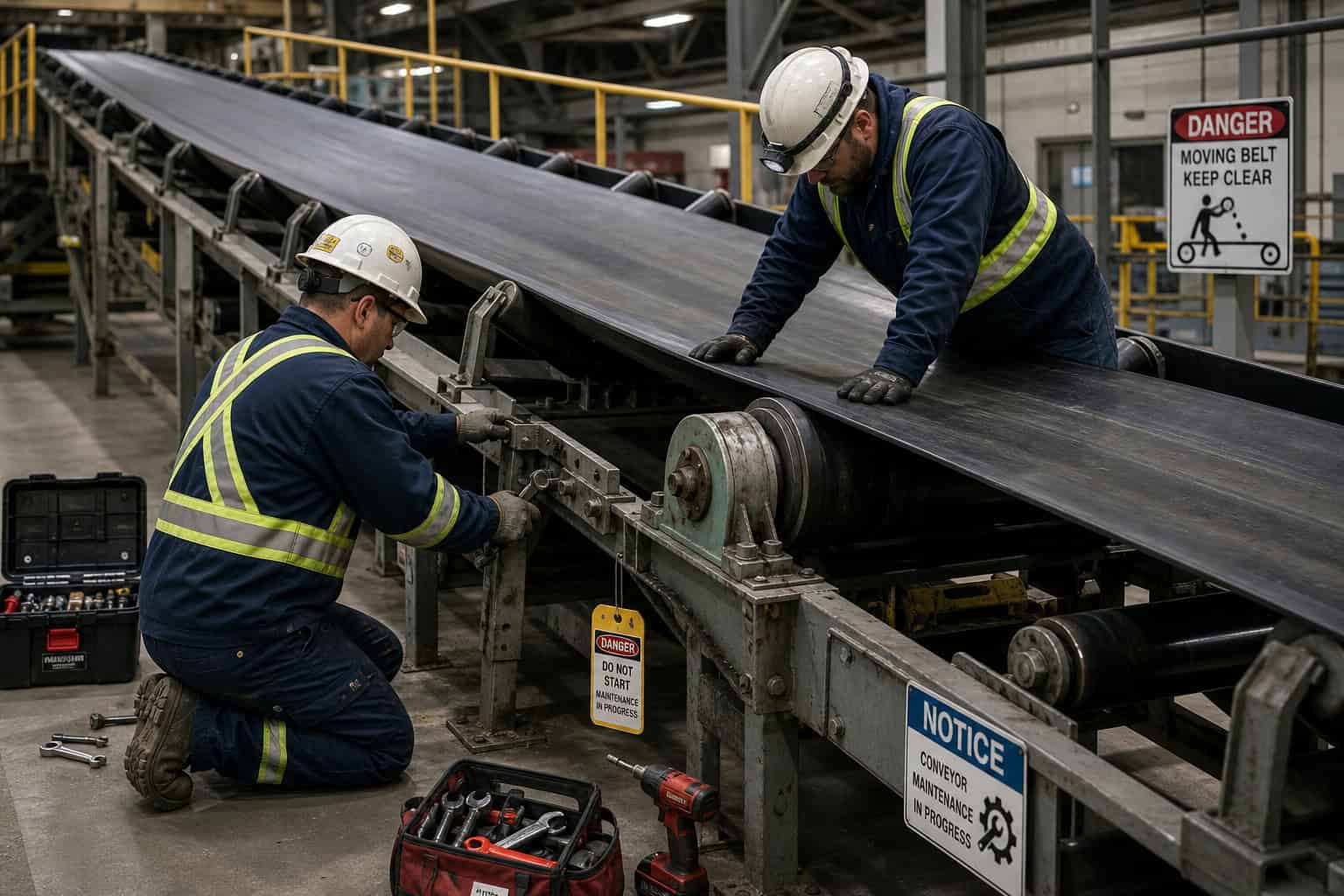
Conveyor belt maintenance is one of the most important investments a warehouse, distribution center, manufacturing facility, or order fulfillment operation can make. A conveyor system serves as the backbone of daily operations, transporting products efficiently between receiving, storage, picking, packing, sortation, and shipping. When a conveyor experiences unexpected downtime, the resulting delays can quickly impact productivity, labor efficiency, customer satisfaction, and profitability.
Century Conveyor Systems understands that effective conveyor belt maintenance is about much more than fixing equipment after a failure occurs. Their approach focuses on preventative maintenance, rapid response, technical expertise, and customized service strategies that maximize equipment reliability while extending the life of valuable material handling systems.
Below are some of the most frequently asked questions about conveyor belt maintenance and how Century Conveyor Systems helps businesses protect their automation investments.
Table of Contents
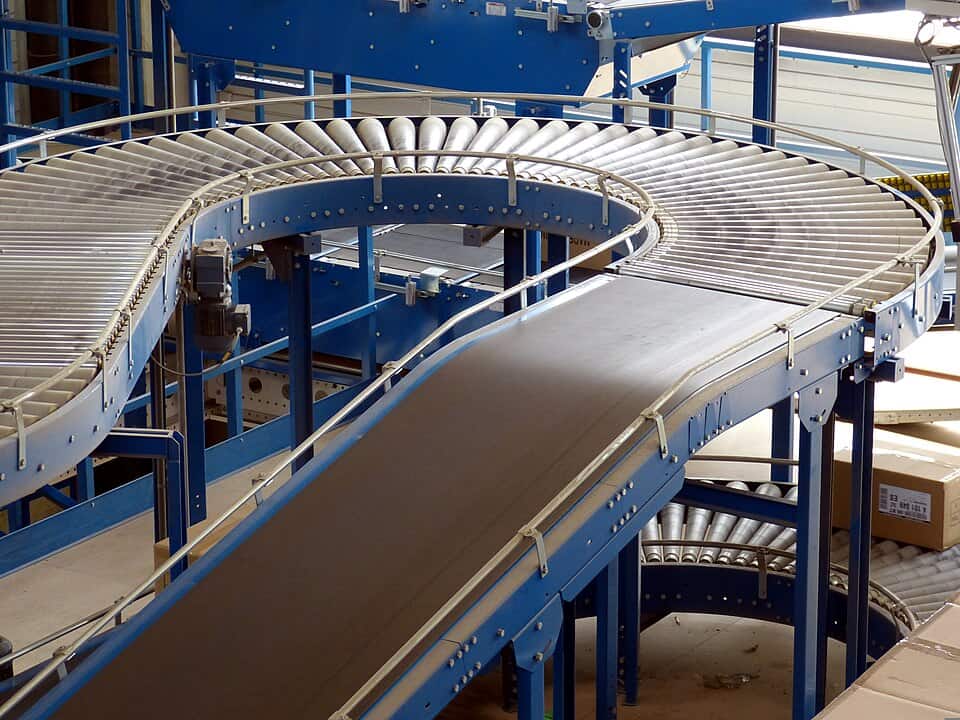
FAQ 1: Why is conveyor belt maintenance so important?
Conveyor belt maintenance is essential because conveyor systems are often responsible for moving thousands of products every hour. If even one critical component fails, the disruption can spread throughout an entire facility.
A properly maintained conveyor system provides several operational advantages, including:
- Reduced unplanned downtime
- Improved employee productivity
- Increased order accuracy
- Longer equipment lifespan
- Lower repair costs
- Better workplace safety
Waiting until equipment breaks usually results in higher repair costs and more extensive operational interruptions. Preventative maintenance helps identify worn components before they fail, allowing repairs to be completed during scheduled maintenance windows rather than emergency shutdowns.
For facilities that rely on continuous product flow, proactive maintenance becomes a competitive advantage instead of simply another operating expense. Century Conveyor Systems emphasizes preventative service programs because keeping conveyors operating consistently is significantly more cost-effective than reacting to unexpected failures.
FAQ 2: What makes Century Conveyor Systems different from other conveyor belt maintenance providers?
One of Century Conveyor Systems’ biggest strengths is that the company approaches maintenance from the perspective of a complete automation integrator rather than simply a repair contractor.
Many maintenance providers focus only on replacing broken components. Century supports conveyor systems throughout their entire lifecycle—from engineering and installation to modernization, repairs, preventative maintenance, replacement parts, and ongoing technical support.
Because Century designs and integrates complete warehouse automation solutions, their technicians understand how every conveyor interacts with larger operational systems, including:
- Conveyor controls
- Sortation equipment
- Warehouse automation
- Order fulfillment workflows
- Material handling processes
This broader understanding allows maintenance technicians to identify root causes instead of merely addressing symptoms.
Rather than repeatedly repairing the same issue, Century’s maintenance teams evaluate how mechanical, electrical, and controls-related components work together to improve long-term system reliability. This comprehensive approach helps customers minimize recurring issues while improving overall operational performance.
FAQ 3: What does Century Conveyor Systems include in its preventative conveyor belt maintenance programs?
Preventative maintenance is designed to reduce the likelihood of equipment failures before they occur.
Instead of waiting for belts to become damaged, bearings to fail, or motors to stop unexpectedly, Century Conveyor Systems performs scheduled inspections and maintenance activities that help facilities maintain consistent performance.
A preventative maintenance program typically includes:
- Inspection of conveyor belts for wear and tracking issues
- Roller and pulley inspections
- Belt tension verification
- Motor and gearbox evaluations
- Electrical system inspections
- Controls and sensor testing
- Lubrication of required components
- Identification of worn or damaged parts
- Maintenance documentation and reporting
One of the biggest benefits of Century’s maintenance strategy is the detailed reporting provided after each service visit.
Rather than simply completing repairs, technicians document current equipment conditions, identify developing concerns, recommend corrective actions, and help facility managers prioritize future maintenance needs. This allows businesses to budget for repairs proactively while reducing the risk of unexpected failures.
The result is greater reliability, longer equipment life, and improved operational efficiency.
FAQ 4: How does Century Conveyor Systems support modern order fulfillment operations?
Today’s order fulfillment facilities operate under greater pressure than ever before.
Customers expect faster shipping, higher order accuracy, and shorter delivery windows. Conveyor systems must support continuous product movement throughout receiving, storage, picking, packing, sortation, and shipping processes.
Century Conveyor Systems has extensive experience designing and supporting conveyor solutions specifically for order fulfillment environments.
Their understanding of warehouse automation allows maintenance strategies to support not only equipment reliability but also operational throughput.
Instead of viewing conveyor maintenance as an isolated repair function, Century aligns maintenance with broader fulfillment goals, including:
- Maintaining continuous product flow
- Supporting high-volume order processing
- Reducing manual product handling
- Minimizing shipping delays
- Improving warehouse efficiency
- Protecting customer service performance
Because Century understands how fulfillment operations function as complete systems, maintenance recommendations are made with productivity, throughput, and operational continuity in mind—not simply mechanical repairs.
FAQ 5: How does Century Conveyor Systems reduce long-term maintenance costs?
Many organizations evaluate conveyor maintenance based only on immediate service costs. However, the true cost of conveyor ownership includes downtime, labor expenses, emergency repairs, equipment replacement, and lost productivity.
Century Conveyor Systems helps customers reduce these long-term costs through several strategies.
Proactive Maintenance
Routine inspections allow technicians to replace worn components before catastrophic failures occur.
Early Problem Detection
Small alignment issues, damaged rollers, worn belts, or failing bearings are identified before they create larger system failures.
Replacement Parts Support
Century assists customers with replacement conveyor parts and equipment, helping facilities maintain critical spare parts and minimize delays when repairs are needed.
Lifecycle Planning
Maintenance recommendations are based on the entire lifecycle of conveyor equipment rather than isolated repairs.
This proactive approach reduces emergency service calls while helping businesses maximize the return on their automation investment. Preventative maintenance almost always costs less than recovering from major equipment failures that interrupt production or fulfillment schedules.
FAQ 6: Why is technical expertise important in conveyor belt maintenance?
Modern conveyor systems are significantly more sophisticated than they were years ago.
Today’s automated facilities combine mechanical equipment with advanced electrical systems, programmable controls, scanners, sensors, and warehouse automation software.
When problems occur, the root cause may not be obvious.
For example, what appears to be a mechanical issue could actually result from:
- Sensor failures
- Control system errors
- Electrical faults
- Software communication issues
- Automation integration problems
Century Conveyor Systems provides maintenance support across mechanical, electrical, and controls disciplines.
This multidisciplinary expertise reduces troubleshooting time because customers do not need multiple service providers to diagnose interconnected systems.
Instead, Century technicians can evaluate the complete conveyor system, allowing facilities to restore operations faster while minimizing unnecessary repairs.
The ability to diagnose complete automation systems is one of the reasons many businesses choose Century as a long-term maintenance partner rather than relying solely on reactive repair services.
FAQ 7: How does Century Conveyor Systems respond when unexpected conveyor problems occur?
Even with excellent preventative maintenance, emergency situations can occasionally arise.
When they do, response time becomes critical.
A conveyor outage can delay shipments, reduce throughput, create bottlenecks, increase labor costs, and negatively impact customer satisfaction.
Century Conveyor Systems supports customers with rapid service capabilities designed to restore operations as quickly as possible.
Their service organization includes:
- Emergency repair services
- Experienced conveyor technicians
- Remote troubleshooting assistance
- Mechanical repairs
- Electrical diagnostics
- Controls troubleshooting
Rather than simply dispatching technicians, Century also offers remote diagnostic capabilities that may resolve certain issues without requiring immediate on-site service.
Fast diagnosis often shortens downtime considerably, helping facilities resume production sooner while minimizing operational disruptions.
For businesses operating around demanding shipping schedules, responsive maintenance support can make a significant difference in maintaining customer commitments.
FAQ 8: Why are customized conveyor belt maintenance plans better than generic service schedules?
No two facilities operate exactly the same way.
A high-volume e-commerce distribution center has very different maintenance requirements than a manufacturing plant, food distribution warehouse, healthcare logistics operation, or third-party logistics provider.
Century Conveyor Systems develops maintenance programs that reflect each customer’s operational environment.
Factors considered include:
- Conveyor operating hours
- Throughput requirements
- Equipment age
- Environmental conditions
- Product characteristics
- Facility size
- Automation complexity
- Production schedules
Instead of applying identical maintenance intervals to every customer, Century tailors preventative maintenance schedules to match actual operating conditions.
This customized strategy helps customers avoid unnecessary service while ensuring equipment receives the attention required to maintain peak performance.
Customized maintenance plans ultimately improve reliability while making maintenance budgets more efficient and predictable.
Conclusion
Conveyor belt maintenance is not simply about repairing equipment after something breaks. The most successful facilities understand that preventative maintenance, technical expertise, rapid support, and long-term planning are essential for protecting productivity and maximizing automation investments.
Century Conveyor Systems delivers a comprehensive maintenance approach by combining preventative service programs, mechanical and controls expertise, responsive technical support, replacement parts assistance, and customized maintenance planning. Their experience with warehouse automation and order fulfillment environments enables them to help customers reduce downtime, improve equipment reliability, extend conveyor lifespan, and maintain efficient operations.
Whether your facility supports manufacturing, distribution, or high-volume order fulfillment, investing in professional conveyor belt maintenance from Century Conveyor Systems can help keep your conveyor systems operating safely, efficiently, and reliably for years to come.